
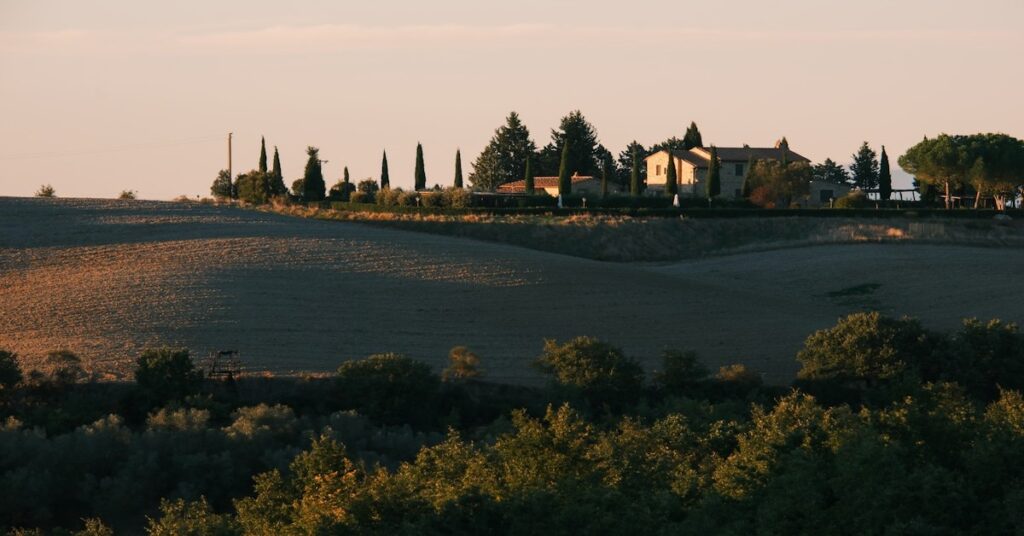
Italy Thermal Baths Guide: Combining Wellness with Rural Farm-Stays
This italy thermal baths guide is for travelers who want more than a generic spa weekend. You’re probably looking at pairing real relaxation with an authentic Italian countryside stay. Instead of booking a city hotel, you’re thinking about an agriturismo—a farm-stay—as your home base. This guide covers the practical details of making that work. We’ll look at the types of thermal baths you’ll come across, how to pick one, what to bring, some common slip-ups to dodge, and how to book everything without stress. The point is to help you make real decisions, not just page through descriptions.
Why Pair Thermal Baths with a Farm-Stay in Italy
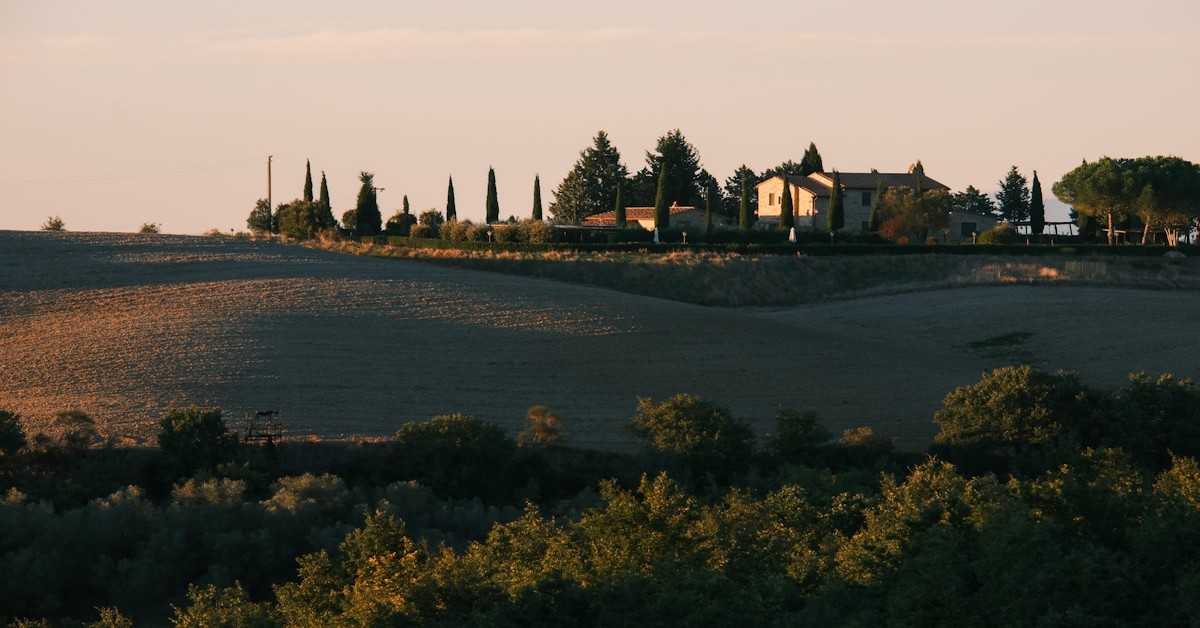
I have done this combination more times than I can recall. The reasoning is straightforward: a farm-stay puts you deep in the countryside, often miles from the nearest town. After a day of walking through vineyards or olive groves, your legs and back will want some warm water. Thermal baths—especially natural springs—tend to be in rural areas themselves. That means you aren’t burning time driving out from a city center. You wake up to roosters, drive twenty minutes on winding roads, and end up at a spring that has been flowing for centuries. That’s the whole point.
A common mistake travelers make is thinking all thermal baths are close to cities. They aren’t. Lots of the best ones are in valleys or near tiny villages. A farm-stay works better because you’re already in that landscape. You aren’t fighting Florence traffic every morning—you’re already there. Also, farm-stays usually offer home-cooked meals. After a long soak, you don’t want a restaurant scene. You want simple, honest food from the family running the place. That’s the real Italian wellness vacation.
Related: Farm-to-Table Dining: What to Expect from Agriturismo Meals | Essential Italian Phrases for Booking and Arriving: Speak with Confidence | 10 Things to Know Before Your First Agriturismo Stay: Essential Agriturismo Travel Tips
Types of Thermal Baths in Italy: What to Expect
Not every thermal bath is the same. Knowing the difference helps you pick the right experience for your budget and schedule.
Natural Hot Springs (Free or Rough)
These are the most authentic. You get pools formed by natural spring water, usually in remote spots. They are often free or cost a small parking fee. There are no changing rooms, no lifeguards, and sometimes no signs. You just park, walk over, and get in. The water temperature varies. I have been in some that are just right, and others that feel like a hot tub turned to max. These work well if you want to avoid crowds and enjoy nature. You will need your own towel, water shoes, and a bit of an adventurous attitude.
Thermal Spas (Paid, with Facilities)
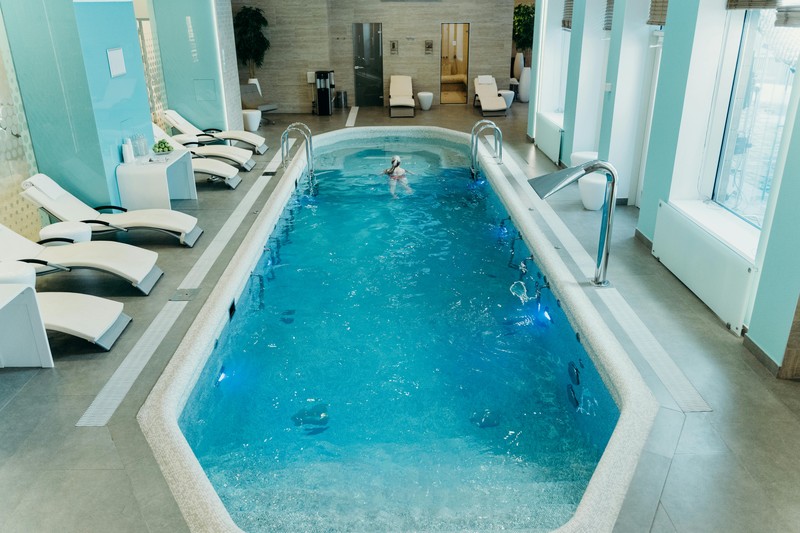
These are more commercial. You pay an entry fee, often around €20–€40 per person. They have changing rooms, lockers, pools at different temperatures, and sometimes saunas or steam rooms. Many also offer massages and beauty treatments. These work if you want a full day of relaxation. They are also better for families because they have more amenities. Some are large, so they can get busy on weekends and holidays. Booking ahead is smart, especially in summer.
Wellness Centers
These are usually part of a hotel or resort. They offer thermal pools, but the focus is on treatments like mud baths, hydrotherapy, and massages. They are pricier than stand-alone spas, but the service feels more personal. If you want a splurge, this is the category. Some farm-stays even have their own small wellness center, but that is uncommon. Most will have a deal with a nearby center.
For any of these, packing the right stuff matters. I always bring a quick-dry towel because it takes up less luggage space. Flip-flops are necessary for the paid spas since they require them. A reusable water bottle is also good because you will get thirsty. Swimwear is a given, but avoid anything too flashy for the natural springs—keep it simple.

Top Thermal Bath Regions Easily Reachable from Farm-Stays
A few regions in Italy are ideal for this combination. Here are the ones I recommend most often.
Tuscany
This is the classic choice. Farm-stays are everywhere, and thermal springs are scattered across the region. The Saturnia thermal springs in southern Tuscany are famous. The Cascate del Mulino are free and open 24/7. It is a natural waterfall of warm water. The drive from most farm-stays in the area is about 30 minutes. Parking can be tricky in summer, so arrive early. For a more structured experience, Terme di Petriolo has both free and paid options. It is near Siena, so it works well for a day trip. Parking is easier there.
Emilia-Romagna
This region is less touristy but has excellent thermal towns. The village of Salsomaggiore Terme is one of the best in Italy. It is a bit formal—expect to dress nicely for the spa—but the water quality is outstanding. Farm-stays in the surrounding hills are common. The drive time is about 20 minutes from most. Another option is Sant’Andrea Bagni, a small village with a nice thermal park. It is quieter and more laid-back. Parking is usually free and easy.
Veneto
If you are in northern Italy, Veneto is a solid bet. The town of Abano Terme is a major thermal hub. It has many large hotels with their own springs. But you can also find farm-stays in the Euganean Hills that offer packages with nearby spas. The drive from a farm-stay to the baths is often under 15 minutes. The atmosphere is more family-oriented. The water is rich in minerals and famous for treating joint issues. If you want a spa with a view, this is the area.
Campania
This region near Naples is known for volcanic activity, which means hot springs. The island of Ischia has dozens of thermal parks. You would need to take a ferry, which adds time, but the experience is unique. For a mainland option, look at the area around the town of Pozzuoli. There are free springs right on the coast. Farm-stays are common in the hills above the Amalfi Coast. The drive can be 45 minutes, but you get sea views along the way. Just be careful with parking in summer—it fills up fast.
How to Choose the Right Thermal Bath for Your Stay
Choosing the right bath comes down to a few simple questions.
- Budget: Free natural springs cost nothing but require planning. Paid spas cost €20–€40 but offer facilities.
- Time Available: If you only have a few hours, a paid spa is easier. Natural springs can require a longer drive and a hike.
- Privacy Level: If you want solitude, avoid the famous ones in peak season. Look for lesser-known springs or go on a weekday.
- Treatments vs. Soaking: If you want a massage or a mud bath, book a paid spa or wellness center. If you just want to soak, a natural spring is fine.
A common mistake is booking a fancy spa when a simple hot spring would have worked just as well, and the other way around. Don’t assume a natural spring is filthy—many are pristine. But also don’t assume a paid spa is quiet—some are packed. Read reviews, check recent photos, and ask your farm-stay host for recommendations. They usually know the best spots.
What to Pack for a Thermal Bath Day Trip
Here is a practical list based on my own experience.
- Swimsuit: A simple one-piece or trunks. Leave the fancy bikini at home for natural springs.
- Towel: A quick-dry microfiber towel. It takes up less space and dries fast. I use this one from Amazon.
- Flip-flops: Mandatory at most paid spas. Bring a cheap pair for natural springs too.
- Water bottle: You will get dehydrated in the heat. Fill it at the farm-stay before you leave.
- Dry bag: To keep your wet swimsuit separate from everything else.
- Sunscreen: Even in the fall, you can burn if you are outside.
- Water shoes: Helpful at rocky natural springs. They prevent slipping on algae. Travelers visiting rocky natural springs may find a pair of water shoes useful.
Common Mistakes Travelers Make When Visiting Thermal Baths
I have seen these slip-ups plenty of times. Avoid them to keep the trip smooth.
- Not checking opening hours. Many paid spas have seasonal hours. Free springs are always open but may have limited parking. Always check online the day before.
- Forgetting to book in summer. Popular spas sell out days in advance. If you want a specific time, book at least a week ahead.
- Underestimating drive time from farm-stays. Countryside roads are slow. Google Maps estimates are often too optimistic. Add 15 minutes.
- Ignoring dress code rules. Some paid spas require swim caps in certain pools. Others require showering before entering. Read the rules before you go.
- Expecting luxury at free springs. You will find rocks, mud, and no changing rooms. Embrace it. That is part of the experience.
Thermal Bath Etiquette: Do’s and Don’ts
Italians take thermal baths seriously. A few rules will keep you from standing out as a tourist.
- Shower before entering. Always. It is a basic hygiene rule.
- No loud talking or phone calls. People go to relax. Keep your voice down.
- Respect private areas. Some spas have zones for nudity. Respect the signs.
- Avoid glass bottles near pools. Use plastic or metal. Glass breaks and ruins the experience.
- Do not use soap or shampoo in the pools. It destroys the water chemistry.
- Be patient at natural springs. There is no queue. You just wait for someone to leave. Do not rush others.
How to Book Your Farm-Stay and Thermal Bath Combo
Booking this combination takes a bit of planning. Start by choosing your region. Then look for agriturismi that mention proximity to thermal baths in their description. Some hosts offer packages or can book a nearby spa for you. Ask about shuttle services—some farm-stays will drive you if the spa is close. Also ask if they have discounts for guests. Many spas offer reduced rates if you mention your accommodation.
For thermal baths, book on weekdays if possible. Weekends are crowded, especially at popular spots. Mid-week visits mean shorter lines and more space. If you are visiting a free spring, go early in the morning or late afternoon to avoid crowds. The light is better for photos too.
To get started, check rates for your farm-stay at Agriturismo Baccole. It is a good example of the kind of place that combines rural charm with access to thermal areas. Book your accommodation first, then plan your bath days around your schedule.
Best Times of Year for Thermal Baths in Italy
Each season offers a different feel.
- Spring (April–June): Ideal for outdoor baths. The weather is warm but not hot. The countryside is green. Water temperatures feel perfect. Avoid Easter week if you want peace—it is busy.
- Summer (July–August): Best for early morning or late evening visits. The midday heat makes outdoor baths uncomfortable. Indoor spas are fine, but they can feel stuffy. If you visit a free spring in August, go before 9 AM or after 7 PM.
- Fall (September–October): My personal favorite. The weather is mild, the leaves are changing, and the crowds thin out. Water temperatures feel warmer against the cool air. Perfect for a relaxing afternoon.
- Winter (November–March): Best for indoor spas. The contrast of cold air and hot water is wonderful. Natural springs are still visitable, but the hike might be chilly. Paid spas offer special winter packages.
A specific tip: if you are visiting in August, avoid the popular springs near cities between noon and 4 PM. They become packed. Drive further out to a less known spot.
What to Do After a Day at the Thermal Baths
After a long soak, you want to wind down properly. Return to your farm-stay for a light dinner. Don’t eat a heavy meal—your body is relaxed, and heavy food will make you sluggish. A walk through the vineyard or olive grove is perfect. The evening air will feel cooler against your warm skin. If your farm-stay offers massages, book one for after your bath. It extends the relaxation. Otherwise, just sit outside with a glass of wine and watch the sunset. That’s the whole point of this trip.
Final Tips for a Relaxing Wellness Vacation
Plan ahead, but leave room for spontaneity. Over-scheduling defeats the purpose. Choose one or two thermal bath visits per week, not one every day. Quality matters more than quantity. A single day at a great spring is better than rushing through three mediocre ones.
Also, remember that the farm-stay itself is part of the wellness experience. The fresh air, the silence at night, the home-cooked meals—these are the real therapy. The thermal baths are the highlight, but the setting is the foundation.
Book your stay at Agriturismo Baccole and start planning your thermal bath adventure today. You will thank yourself later.