

“`html
Introduction
If you are looking for a slow travel Italy guide that skips the daydreams and gets to what actually works, you have come to the right place. Slow travel is about trading a checklist of sights for a deeper connection with one place. It means staying longer, moving slower, and letting daily life set your pace. For many, the best way to do this is through an agriturismo — a working farm that opens its doors to guests. This article covers what that actually means: the tradeoffs, the logistics, the mistakes to avoid, and how to plan a trip that is genuinely restorative.
Here’s what I’ve learned from planning rural Italy trips: leave more time than you think you need between destinations.
Related: 10 Things to Know Before Your First Agriturismo Stay: Essential Agriturismo Travel Tips | Farm-to-Table Dining: What to Expect from Agriturismo Meals | What is an Agriturismo? Italy’s Unique Farm-Stay Explained
When I first started researching this, I made a lot of assumptions that turned out wrong.
What Slow Travel Means on an Italian Farm
Slow travel is not about doing nothing, though there is plenty of time for that too. It is about doing fewer things with more intention. On a farm like Baccole, that starts with the morning. You wake to roosters, not alarm clocks. Coffee is made in a moka pot on the stove. You might help collect eggs or watch the farmer start his tractor. A typical day involves a walk to the olive grove, a trip to the local market for vegetables, and a simple lunch from what you bought. In the afternoon, you read a book under a tree or take a nap. Dinner is leisurely, often featuring produce picked that morning. This is not luxury, but it is rich. The pace is slower, the experience deeper. You trade quantity of sights for quality of presence. If you can embrace that tradeoff, farm-based slow travel will transform your trip.
Why Agriturismi Are the Ideal Base for Slow Travel
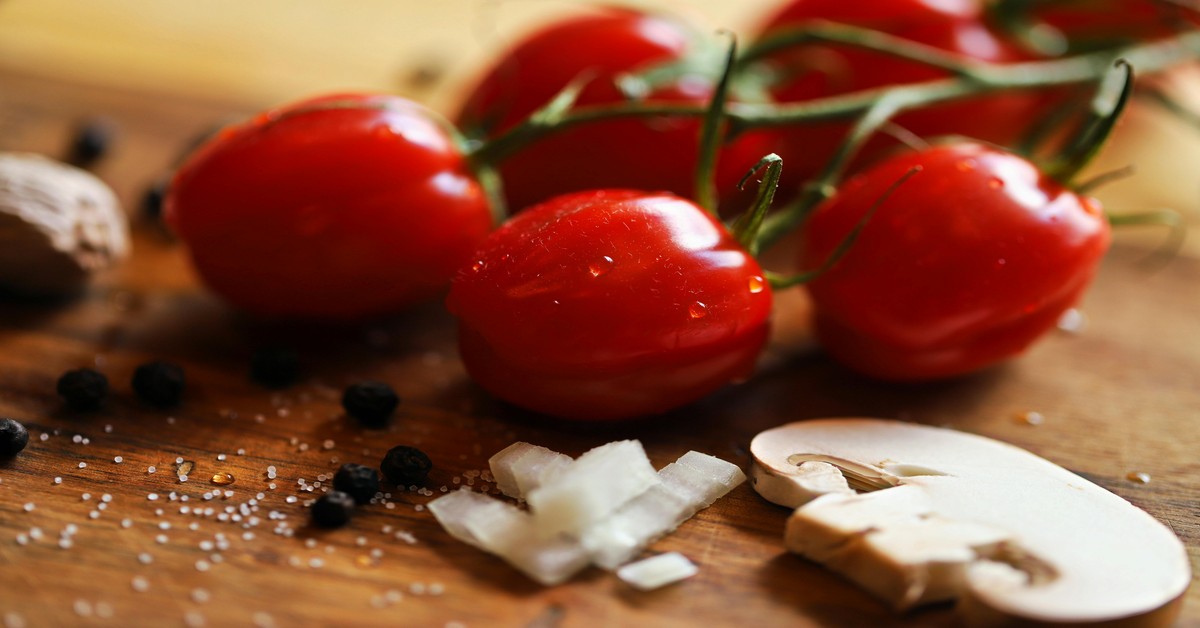
Agriturismi are not hotels, and that is their strength. They offer a ready-made environment for slowing down. You have a kitchen, so you can cook with local ingredients. You have access to farm produce, often included or available for purchase. The rhythm of the farm — morning chores, afternoon rest, early evening work — becomes your rhythm too. Compared to a hotel, you trade a bit of luxury for a lot of immersion. Hotels are designed for convenience; agriturismi are designed for life. Self-catering kitchens mean you can eat on your own schedule. Farm animals and gardens provide constant, gentle entertainment. Even a simple walk across the property can take an hour if you stop to watch the bees or check on the tomatoes. Baccole is a good example: a working farm where guests are welcomed into the daily cycle, not separated from it. If you want to slow down and really see a place, an agriturismo is the most practical base you can choose.
How to Choose the Right Farm Stay for Your Slow Travel Goals
Not all agriturismi are the same. Choosing the right one is the most important decision for this trip. Here is what to consider:
- Size of the farm: Larger farms may feel like resorts. Smaller, family-run operations offer a more intimate experience. Decide which suits you.
- Level of participation: Some farms encourage guests to help with chores. Others leave you entirely alone. Ask about this before booking.
- Location: Tuscany is popular but crowded. Umbria offers a quieter pace. Puglia is warmer and flatter. Each region has a different feel. Consider your priorities.
- Amenities: Does the farm have a pool? Is there a restaurant on site? Cooking classes? These extras can enhance your stay, but they affect the price.
- A common mistake: Choosing a farm that is too remote without a car. Agriturismi are often in the countryside. You need a vehicle to explore. Confirm access to public transport if you are not driving.
Booking directly through a farm’s website or via a trusted agriturismo platform gives you the most flexibility. Avoid big booking sites that lump agriturismi in with regular hotels. You want to know exactly what you are getting. And read reviews from other slow travelers — they will tell you the real story. Travelers who need a reliable vehicle for exploring the countryside may want to look at travel guides for self-driving in Italy to be better prepared.
Packing for a Slow Farm Stay: What You’ll Actually Need
Overpacking is the most common mistake people make. You do not need a different outfit for every day. Here is a practical list based on real farm stays:
- Clothing for variable weather: Layers are key. A light jacket, a sweater, and a few long-sleeve shirts will serve you better than a suitcase of dresses.
- Comfortable walking shoes: You will be walking on dirt paths, gravel, and cobblestones in nearby villages. Sturdy sandals and a pair of walking shoes are enough. If you are dealing with uneven terrain, a good pair of durable hiking sandals is worth considering.
- Reusable water bottle: Tap water in Italy is safe. Save money and reduce waste.
- Insect repellent: Farms have bugs, especially in summer. A good eco-friendly spray is worth its weight in gold. A simple way to reduce discomfort from insects is to pack natural insect repellent.
- A good book or journal: You will have time to read and write. Use it.
- Leave at home: High heels, dress shirts, formal wear. You will not need them. Embrace the casual. The locals will appreciate it.
Pack light, pack smart, and leave room for the olive oil you will inevitably bring home.

Daily Life on a Working Farm: What to Expect
A typical day on a working farm follows a natural, unforced rhythm. You wake up early, not because you have to, but because the light gets in. Coffee and breakfast are simple. If the farmer invites you to help, you might feed the chickens or water the garden. Then you go for a walk. It could be through the olive grove, along a dirt road, or up to a small hilltop. Lunch is from the garden: tomatoes, basil, mozzarella, bread. You might cook it yourself or buy it from the farm. The afternoon is quiet. You read. You nap. You stare at the hills. Early evening, you might explore a nearby village or just sit on the terrace. Dinner is early, around seven or eight. The conversation is slow. The wine is local. Then the stars come out. Realistically, there are flies in summer. The roosters start at 5 AM. The electricity might flicker after a storm. That is the tradeoff. You trade a bit of comfort for a profound sense of place. If you can handle flies and early mornings, you will love it.
How to Plan Your Days Without Overplanning
The goal is to have a loose structure, not a strict itinerary. Plan one main activity per day. That could be a visit to a hill town, a cooking class at the farm, a hike through a nature reserve, or a meal at a local trattoria. The rest of the day is open. Use local resources: ask your host for the best market day, which villages are worth a visit, and where to eat. They know. Avoid the temptation to cram in multiple regions. The point of slow travel is to stay put. Pick one area, get a car, and explore it at a leisurely pace. You will see more by seeing less. A travel guide or a regional cookbook can be a nice gift to yourself, but resist the urge to plan everything in advance. Leave room for spontaneity. The best moments often come unplanned.
Common Mistakes First-Time Slow Travelers Make in Italy
- Staying too short: Minimum five nights in one place. Three nights is a rushed stopover, not a slow stay.
- Not verifying meal options: Some agriturismi offer dinner; others do not. Confirm before you arrive. If they do not, know where the nearest market is.
- Underestimating driving distances: Italian country roads are narrow and slow. That hilltop village that looks 15 minutes away might be 45. Plan accordingly.
- Trying to see too many regions: Do not attempt Tuscany, Umbria, and Puglia in one trip. Choose one and explore it well.
- Ignoring the language: While many farm hosts speak English, learning a few key Italian phrases like “where is the market” and “thank you” goes a long way. It builds goodwill and makes the experience richer.
Avoid these pitfalls and your slow travel experience will be far more rewarding.
Something I noticed right away: the more expensive option isn’t always the better fit.
Slow Travel vs. Traditional Tourism: A Practical Comparison
| Traditional Tourism | Slow Travel on a Farm |
|---|---|
| Fast pace | Slow, intentional pace |
| Many destinations | One or few destinations |
| Checklist-driven | Experience-driven |
| Hotels, tours, crowds | Agriturismi, local interactions, quiet |
| Can be more expensive | Often cheaper per day, but longer stays |
| Less effort, more convenience | More planning, more presence required |
| Good for first-timers | Better for repeat visitors or intentional travelers |
Slow travel is best for couples or solo travelers who value depth over breadth. Families can also benefit, provided the farm is child-friendly. Traditional tourism works if you are short on time. But if you can spare a week, slow travel wins every time for connection and long-term memories.
How to Book an Agriturismo Stay: Tips for Getting It Right
Book directly for flexibility. Most farms have their own websites with direct booking options. This gives you better cancellation policies and often better prices. Check if meals are included or available for purchase. Some farms serve dinner every night; others only on request. Verify the farm’s status: is it a working farm or a glorified guesthouse? You want the real thing. Ask about language barriers — most farm hosts speak at least some English, but it helps to confirm. Use a trusted agriturismo platform as a starting point for research, but always cross-check with direct booking. And do not forget travel insurance. It covers cancellations, medical issues, and lost luggage. A small cost for big peace of mind.
Ready to Slow Down? Start Planning Your Farm Stay
My honest take: don’t let perfect be the enemy of good. Pick something and start.
A slow travel Italy guide is only useful if you act on it. The key takeaways are simple: choose a farm that matches your desired activity level, pack light, and embrace the slower pace. Resist the urge to cram in too much. Instead, let the farm and its surroundings guide your days. You will return home not with a checklist of sights, but with memories of morning walks, long lunches, and genuine connection to the land. Whether you are a seasoned traveler or new to the concept, an agriturismo stay offers a rare opportunity to truly experience Italy. Ready to explore? Start here.