
Introduction
When you book a stay at an agriturismo, you are not renting a room at a hotel. You become a temporary guest on a working farm. That is the appeal — fresh eggs, olive groves, a rooster alarm clock — but it also means you are surrounded by the tools, animals, and terrain of a real agricultural operation. These agriturismo safety tips are not meant to scare you. They are meant to help you enjoy your stay without ending up with stitches, a sprained ankle, or worse. This advice matters most for families with young children, elderly travelers, or anyone who has never spent time on an active farm. Let us walk through what you need to know before you arrive.
I learned this the expensive way: always confirm whether dinner is included before you arrive at a remote agriturismo.
What Makes an Agriturismo a Working Farm (and Why Safety Matters)
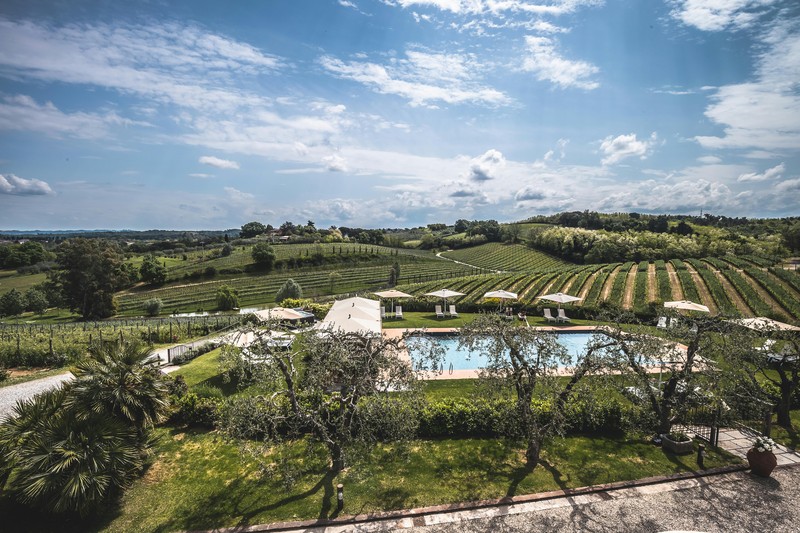
An agriturismo is not a resort with a farm theme. It is an active agricultural property where the host family lives and works. That means tractors move through the property at dawn. Horses graze in fields behind electric fences. Tools are stored in open barns. Stone walls and uneven pathways are part of the landscape, not a design choice. These are all wonderful things — they give the place its character — but they also create risks that a standard hotel does not have.
Related: Traveling Italy by Train: How to Reach Farm-Stays Without a Car | Choosing the Right Region: Where to Stay for Your First Visit | What is an Agriturismo? Italy’s Unique Farm-Stay Explained
One thing many travelers do not realize is that the host’s insurance may not cover guest injuries. In Italy, liability laws can vary between regions, and a small family farm may not carry the same comprehensive coverage as a large commercial hotel. That makes personal responsibility essential. You are not being babysat here. The farmer is busy with the olive harvest or the cheesemaking. You need to watch your step, supervise your kids, and ask questions when something seems off.
Before You Book: Questions to Ask the Host About Safety
Before you confirm a reservation, pick up the phone or send an email. A good host will be happy to answer your questions about safety. If they seem annoyed or dismissive, consider that a red flag. Here is what you want to ask:
- Are electric fences used anywhere on the property? Many farms use low-voltage fencing to keep livestock in. You need to know exactly where these are, especially if you have children or dogs.
- Is the pool fenced with a locking gate? Italian law has some requirements for pool fencing, but enforcement is inconsistent. Do not assume the pool is childproof.
- Are farm tools and chemicals locked away? Pesticides, fertilizers, shears, and other sharp tools should not be accessible to guests. Ask specifically about storage.
- Is there a first aid kit and a fire extinguisher in the guest accommodation? These are basic items that should be present. If they are not, bring your own.
- Are there steep staircases, loft ladders, or open balconies? Many farmhouses have original architecture, which can include narrow spiral stairs without railings. If you have mobility concerns, this matters.
A quick tip: write these questions down in a checklist you can print. Having them in front of you during the booking call helps you stay thorough. It also signals to the host that you are a responsible guest — which they appreciate.
Common Farm Hazards You Might Not Think About
Some dangers on a working farm are obvious. Others you will not notice until you trip over them. Here are the ones I see travelers overlook most often:
- Uneven stone paths. The beautiful flagstone walkways that give a farm its rustic feel are often slick with morning dew or moss. One wrong step can twist an ankle. Walk slowly, especially in the morning.
- Low-hanging branches. Olive trees and fruit trees are pruned, but branches still hang low. If you are tall, you will hit your head. Learn to duck.
- Open manure pits and irrigation ditches. These are not always fenced. They can be hidden by tall grass or shadows. Know where they are on the property.
- Chemical storage areas. Even on organic farms, there may be cleaning agents, lubricants for machinery, or natural pesticides. These should be stored out of reach, but check anyway.
- Loose farm dogs. Most farm dogs are friendly, but they are also working dogs. A dog that is protective of livestock may not understand that your toddler just wants to pet it. Ask the host which dogs are safe to approach.
- Steep staircases with no handrails. Old farmhouses were built for able-bodied people. Modern safety standards were not part of the original design. If you have vertigo or balance issues, request a ground-floor room.
The good news is that most of these hazards are easy to avoid once you know they exist. That is the whole point: awareness, not paranoia.
Staying Safe Around Farm Animals (Especially with Children)
Animal encounters are often the highlight of a farm stay. But animals are not pets. They have instincts, boundaries, and moods. If you are traveling with children, this section is the most important one you will read.
Here are some ground rules:
- Never approach an animal from behind. Horses and cows have a blind spot behind them and can kick if startled. Always let the animal see you coming.
- Do not feed animals without permission. Farm animals are on specific diets. A handful of your leftover bread can cause digestive problems for a goat or a pig. Ask the host what, if anything, you can feed them.
- Supervise children at all times near livestock. A cow or a horse is massive compared to a child. Even a gentle nudge can knock a kid over. Stay within arm’s reach.
- Keep distance from mothers with young. A cow with a newborn calf is not going to be friendly. Do not enter a pasture with a protective mother animal.
- Be cautious around farm dogs. I have seen guests get nipped because they reached for a dog that was working. If the dog is barking or focused on something else, leave it alone.
If you are booking specifically for the animal experience, look for agriturismi that offer supervised animal interaction, like feeding sessions with the host present. These are safer and more educational for kids.
Packing for a Safe Farm Stay: What to Bring
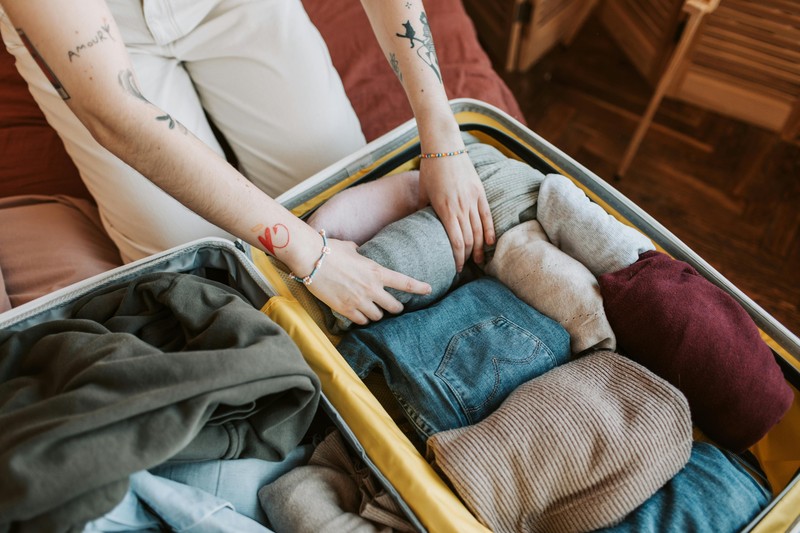
Packing for an agriturismo is not the same as packing for a city hotel. You need gear for uneven ground, insects, and variable lighting. Here is a list of items I always recommend:
- Closed-toe shoes or boots. Sandals are fine for the pool, but they will not protect your toes from a dropped rock or a stray chicken peck. Waterproof hiking boots are best for dewy grass and muddy paths.
- Long pants for walking through fields. This protects against tick bites, thorny brush, and nettles. Lightweight, breathable material works well in warm weather.
- A headlamp. Rural Italy gets very dark at night. A headlamp keeps your hands free and your path visible. It is better than a phone flashlight, which eats battery.
- Insect repellent. Ticks and mosquitoes are active in the countryside. DEET-based repellents work best, but picaridin is a good alternative if you prefer something milder.
- Sun protection. Sunscreen, a wide-brimmed hat, and polarized sunglasses. You will spend more time outdoors than you think.
- A basic first aid kit. Include blister treatment bandages, antiseptic wipes, tweezers (for ticks), and antihistamines for allergic reactions. You can buy a pre-packed kit or make your own.
For best results, choose waterproof hiking boots if you are visiting in spring or fall. Grass stays wet until mid-morning in many regions, and soggy sneakers make for an uncomfortable day. If you need a reliable pair, consider waterproof hiking boots for women or men’s waterproof hiking boots. For nighttime walks, a rechargeable headlamp is a practical choice.
Nighttime and Low-Light Safety on a Rural Property
Country darkness is different from city darkness. There are no streetlights. No porch lights from a neighbor. No ambient glow from a 24-hour gas station. When the sun goes down on an Italian farm, it is genuinely dark.
This creates several risks. Hoses stretched across pathways become invisible. Open ditches or irrigation channels can be stepped into. Stray tools left on the ground become ankle-breakers. And in some areas, nocturnal animals like wild boar or porcupines wander through the property.
Here is what you need to do:
- Always carry a flashlight or headlamp. I recommend a headlamp because it keeps your hands free to unlock doors or carry a glass of wine. A small handheld flashlight works too, just make sure it is waterproof.
- Learn the path to the bathroom before dark. If your room is in a separate building, walk the route during daylight. Count steps or look for landmarks. It sounds silly, but it prevents 3 a.m. stumbles.
- Keep the path to your car clear. If you plan to drive anywhere after dark, make sure the walk from your door to the car is free of obstacles. Move hoses, garden tools, and anything else that might trip you.
- Use your phone sparingly as a light source. It drains the battery and takes away your ability to call for help if needed. A dedicated flashlight is better.
Most falls happen at night on unfamiliar ground. A simple $20 headlamp eliminates most of that risk.
Fire Safety in Rural Italy: What You Need to Know
Working farms in Italy rely on fire for many things: wood-burning stoves for heating, grills for cooking, and sometimes oil lamps for ambiance. These are beautiful traditions, but they also create real fire hazards.
Here is what to keep in mind:
- Ask where the fire extinguisher is. It should be in the guest accommodation and clearly visible. If you cannot find it, ask the host.
- Never leave a wood-burning stove or fireplace unattended. Embers can jump out unnoticed. If you have children, keep them well away from the stove.
- Use outdoor grills away from dry vegetation. Summer wildfires in Italy are a serious threat. Only grill in designated areas, and keep a bucket of water nearby.
- Emergency number 112 works everywhere in Italy. It is the single European emergency number. Save it in your phone. Even with poor cell service, 112 often connects.
- Oil lamps and candles should be stable and on non-flammable surfaces. Old farm tables are often varnished wood. A tipped candle can spread fast.
If you are staying in a particularly remote area, consider bringing a portable fire safety kit that includes a small extinguisher and a fire blanket. They are lightweight and fit in a suitcase.
Food Safety and Allergies: Eating from the Farm
One of the greatest pleasures of an agriturismo is eating food that was grown or raised on the property. But farm-to-table eating comes with considerations that a supermarket meal does not.
- Raw milk and unpasteurized cheeses. These are common in Italian farm kitchens. They are delicious but carry a risk of bacterial contamination. If you are pregnant, elderly, or have a compromised immune system, avoid unpasteurized dairy unless you know the source and trust it.
- Fresh-picked produce. Wash it yourself if you can. The host may have washed it already, but it is a good habit. Even organic produce can carry soil-borne bacteria.
- Cross-contamination of allergens. If you have a food allergy, communicate it clearly. Many Italian hosts do not think about cross-contamination in the same way a commercial kitchen does. Be explicit about your allergy, even if you have to use a translation card.
- Common allergens in Italian farm cooking. Olive oil, walnuts, pine nuts, honey, and gluten are everywhere. Ask before eating anything that is not obviously labeled.
If you have food allergies, packing a set of allergy translation cards in Italian is an excellent idea. They are small, inexpensive, and can prevent a very bad evening.
Emergency Preparedness: Knowing Before You Go
A farm stay is a retreat, but it is also a remote location. Being prepared for an emergency is not about being paranoid. It is about being smart.
- Save the farm’s exact address in your phone’s GPS. Rural addresses can be difficult to find, and many farms are on unmarked roads. Have coordinates or a what3words location if possible.
- Know the nearest hospital or emergency room. In Italy, the guardia medica is the after-hours medical service. Find out where it is and how to reach it.
- Have a backup plan for connectivity. Cell service can be unreliable in rural valleys. A portable Wi-Fi hotspot with a local SIM card can be a lifesaver. Alternatively, download offline maps of the area before you arrive. A portable Wi-Fi hotspot ensures you stay connected.
- Consider travel insurance with helicopter evacuation coverage. This is not necessary for everyone, but if you are traveling with elderly relatives or have a chronic medical condition, it is worth the extra cost. Emergency evacuation in rural areas can run into thousands of euros.
Write these items down and keep them in your phone case or wallet. In the moment, it is easy to forget a hospital name or a phone number.
A Quick Comparison: Agriturismo vs. Hotel Safety
It is worth understanding the tradeoff. A hotel offers consistent safety standards: uniform lighting, supervised pools, fire sprinklers, and trained staff. An agriturismo offers more space, more freedom, and more connection to the land — but with less structural safety infrastructure.
If you are a family with very young children who need to be fenced in and constantly supervised in a controlled environment, a hotel might be the better choice. If you have older kids who are good listeners and you want them to experience real farm life, an agriturismo is wonderful. The key is being honest about your own comfort level and the needs of your travel companions.
For most healthy adults, the risks are minimal. A few precautions and a sense of awareness are all you need to enjoy a safe and memorable stay.
Final Safety Checklist for Your Agriturismo Stay
Here is a short checklist you can save or print:
- Ask the host about electric fences, pool fencing, and tool storage before booking.
- Pack closed-toe shoes, a headlamp, insect repellent, and a first aid kit.
- Supervise children around animals at all times.
- Walk the property during daylight to identify hazards.
- Know where the fire extinguisher is and how to use it.
- Save the farm’s address and emergency number 112 in your phone.
- Communicate any food allergies clearly to the host.
- Consider travel insurance that covers rural areas.
That is it. Stay aware, ask questions, and enjoy the olive groves. You will have a wonderful time.
Book Your Safe Farm Stay at Agriturismo Baccole
If you are ready to experience a working farm with a family that takes safety seriously, consider Agriturismo Baccole. It is a family-run property in Tuscany where the hosts understand both the beauty and the responsibility of farm life. They keep their animals well-managed, their paths well-lit, and their kitchen full of safe, honest food. Book your stay now and enjoy the countryside with confidence.