
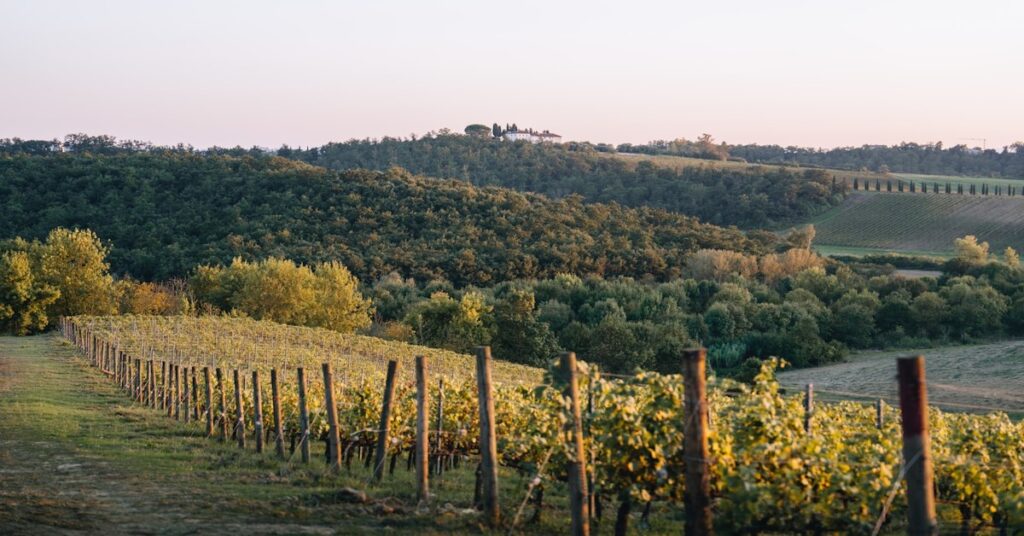
Cycling Tours Rural Italy: A Practical Guide to Riding Through the Countryside
Let’s be clear from the start. This isn’t for the super-fit or the competitive cyclist chasing personal records. This is for the everyday traveler who wants to see Italy’s countryside at a slower, more human pace. The kind of person who wants to smell wild rosemary growing along a gravel lane, stop for a mid-morning espresso in a village where the barista knows everyone, and roll into an agriturismo just as the evening light turns the hills gold. Planning a cycling tour in rural Italy means choosing the right routes, the right gear, and setting the right expectations. Over the years, I’ve helped guests at Agriturismo Baccole explore the nearby hills on two wheels, and I’ve seen what works and what doesn’t. This article covers the best regions, essential gear, common mistakes, and how to book a self-guided or supported tour. If you’ve been researching cycling tours rural Italy and want honest, practical advice, you’re in the right place. Let’s get you ready to ride.
From my own experience planning trips like this, I’ve learned a few things that guidebooks skip.
Why Cycle Rural Italy? A No-Nonsense Look at the Rewards and Realities
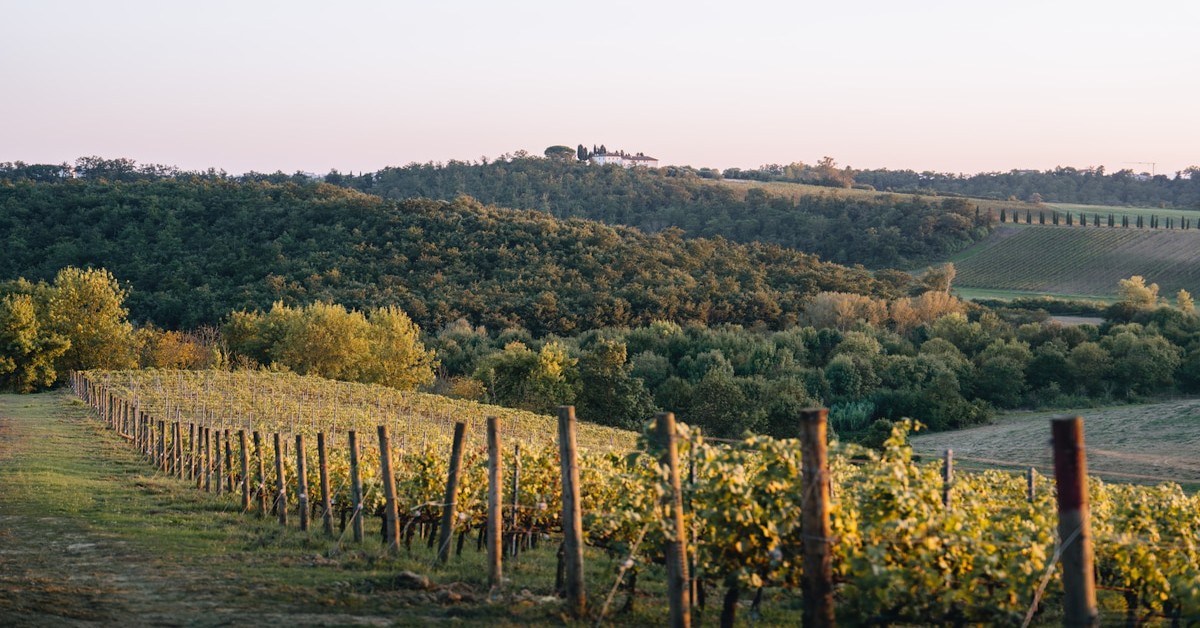
There’s a reason so many travelers choose a cycling tour in rural Italy over other ways to travel. It’s not just the exercise—it’s the access. On a bike, you can reach hilltop villages that buses can’t get to. You can ride through vineyards at harvest time, past olive groves that have been tended for generations, and along roads where the only traffic is the occasional tractor. You experience the landscape at a human pace, not through a car window.
Related: Essential Italian Phrases for Booking and Arriving: Speak with Confidence | Agriturismo Packing Essentials: Luggage and Shoes for Italy’s Rural Roads | 10 Things to Know Before Your First Agriturismo Stay: Essential Agriturismo Travel Tips
But let’s not romanticize it too much. Cycling in rural Italy comes with real tradeoffs. The physical effort is real, especially on the rolling hills. The weather can be unpredictable. And logistics like route planning and luggage transfer need some thought. If you’re comfortable cycling 30 to 50 kilometers a day on rolling terrain, you’ll love it. If not, consider an e-bike—they’re becoming common in rural areas and many agriturismi now have charging stations. Travelers wanting extra comfort on longer rides might opt for a good pair of padded cycling shorts.
When it comes to choosing how to tour, you have three main options. Self-guided means you plan everything yourself. It’s the most flexible and the cheapest, but requires the most preparation. Supported tours include luggage transfer, pre-planned routes, and sometimes a van to follow you. Fully guided tours put you with a group and a leader. For most first-timers, I’d suggest a supported tour. It removes the stress of logistics while still giving you the freedom to ride at your own pace. Many routes pass near or start from agriturismi like Baccole, making it easy to ride and sleep in comfort.
The Best Regions for Cycling Tours Rural Italy
Italy’s rural regions vary dramatically in terrain, and choosing the wrong one for your fitness level can turn a dream trip into a slog. Here’s a region-by-region breakdown to help you decide.
Tuscany
This is the classic choice for a reason. The landscape is iconic: rolling hills, cypress-lined roads, and vineyards that stretch to the horizon. The famous Strada Bianca (white gravel roads) offer a classic experience, but you’ll need wider tires—28mm at minimum, 32mm recommended. Typical daily distances are 50-70 kilometers with moderate climbing. Start from Siena and ride to Montalcino or Pienza. The terrain is hilly but manageable for a moderately fit rider.
Umbria
Often called the green heart of Italy, Umbria is less crowded than Tuscany but just as beautiful. The hills are softer, and the roads are quieter. Base yourself near Assisi or Spoleto. Daily distances of 40-60 kilometers are comfortable, with climbs that are long but gradual. This region is ideal for riders who want a relaxed pace with plenty of cultural stops.
Le Marche
If you want a more rugged, less-traveled experience, Le Marche is worth considering. The terrain is more challenging, with steep climbs and narrow roads that wind through mountains and down to the Adriatic coast. This is best for experienced riders. Daily distances of 60-80 kilometers with significant elevation gain are common. Stay in hilltop towns like Urbino or Gradara.
Piedmont
Piedmont offers a different kind of rural beauty: rolling hills covered in vineyards and hazelnut groves, with the Alps as a backdrop. The terrain is hilly but not punishing, and the food and wine are among Italy’s best. Start from Alba or Barolo. Daily distances of 50-70 kilometers are typical, with climbs that are sustained but not steep.
Sicily
Sicily offers a mix of coastal roads and rugged interior landscapes. The climate is warmer, so spring and autumn are best. Terrain varies from flat coastal stretches to challenging climbs inland. Daily distances of 50-80 kilometers are possible, but plan for heat and wind. Base yourself near Modica or Ragusa for a mix of culture and cycling.
Self-Guided vs. Supported Tours: Which Is Right for You?
Choosing how to organize your tour is one of the biggest decisions. Here’s a realistic breakdown of the three main options.
Self-Guided Tours
You plan the route, book the accommodation, and carry your own gear or use a luggage transfer service. The pros are total freedom and lower cost. A 7-day self-guided tour can cost €500 to €800 for accommodation and food, not including bike rental or gear. The cons are the planning time, the risk of bad navigation, and the lack of emergency support. This is best for experienced riders who know what they’re doing and enjoy the planning process.
Supported Tours
A company handles the route, accommodation, and luggage transfer. You just ride. This typically costs 30% to 50% more than self-guided—a 7-day supported tour starts at €1,200 to €1,800. You get pre-loaded GPS routes, pre-booked rooms, and often a support van or phone number for emergencies. This is best for first-timers, couples, or anyone who wants to focus on the riding and the scenery without the logistics.
Fully Guided Tours
You ride in a group with a leader. This is the most expensive option, often €1,800 to €3,000 for a week. The pros are social riding, no navigation at all, and built-in camaraderie. The cons are less flexibility and the need to match the group’s pace. This is best for solo travelers or anyone who prefers not to ride alone.
Recommendation: If you’re an experienced rider, go self-guided with a luggage transfer service. If you’re newer or want a hassle-free trip, choose a supported tour. If you’re traveling alone, a guided tour makes sense.
Essential Gear for a Rural Italy Cycling Tour
You don’t need a €5,000 carbon bike to enjoy a rural cycling tour in Italy. A reliable touring bike with 32mm tires is perfect for most rural roads, especially if you plan to ride any gravel sections. Here’s what you should pack.
- A good bike lock – You’ll want to stop in hilltop villages for lunch or a gelato without worrying about your bike. A lightweight U-lock works well.
- Padded shorts – Your backside will thank you after a 60-kilometer day. Invest in a quality pair with a good chamois.
- A cycling helmet that fits well – Not negotiable. Make sure it’s comfortable for long hours.
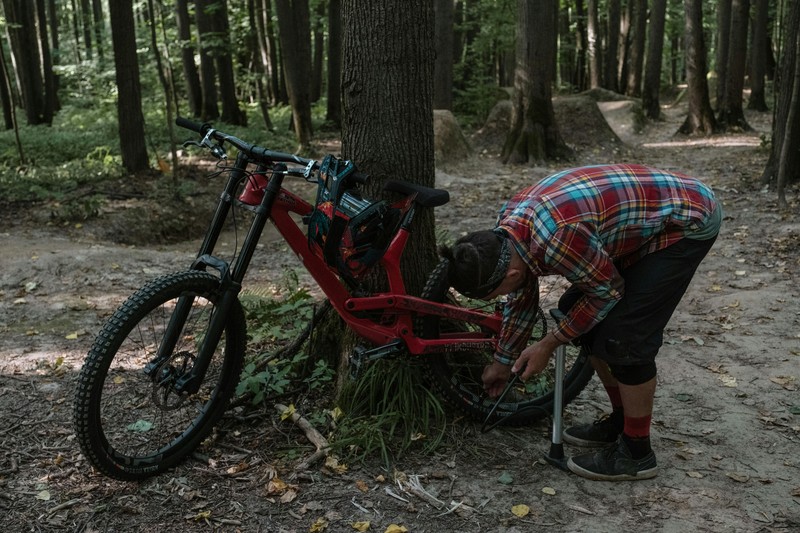
- Basic repair kit – Spare inner tube, tire levers, a pump, and a multi-tool. The Lezyne Pocket Drive pump is small and reliable for gravel tires. A simple way to reduce hassle on the road is to carry a compact portable bike repair kit that fits in a saddlebag.
- Bike lights – Even in daytime, a rear flashing light increases visibility. The Cygolite Hotshot is a common choice.
- Hydration pack or bottles – In rural Italy, water stops can be far apart. Carry at least 1.5 liters.
- Handlebar bag – For valuables like your phone, wallet, and a snack. It keeps weight off your back.
Packing list summary: helmet, padded shorts, lock, repair kit, lights, hydration, handlebar bag, sunscreen, a light rain jacket, and a small first-aid kit.
How to Plan Your Cycling Route: Distance, Elevation, and Timing
Good route planning makes the difference between a great trip and a miserable one. Start with realistic daily distances. For a rural tour with stops for lunch, photos, and sightseeing, 50 to 80 kilometers per day is ideal. Any longer and you’ll be rushing. The total elevation gain per day is more important than distance. A 60-kilometer day with 600 meters of climbing is pleasant. A 60-kilometer day with 1,200 meters of climbing is a workout.
Use tools like Komoot or Strava to plan routes with cycling layers. These apps show road surface and elevation profiles clearly. Google Maps with cycling layers is also helpful but less detailed for gravel roads. A concrete example: for a 5-day Tuscany tour, a good daily route is 60 kilometers with about 800 meters of climbing. That takes four to five hours of riding plus two hours of stops, so you arrive at your accommodation by mid-afternoon.
In rural Italy, not all roads are paved. Expect gravel sections on many routes, especially in Tuscany and Umbria. Watch for farm tractors, loose dogs, and occasional gravel washouts. I always recommend asking at your agriturismo for local route suggestions. Farmers and hosts know which roads are scenic and which are best avoided. Many agriturismi have maps they’ve drawn themselves, and those are often better than generic GPS routes.
Common Mistakes to Avoid on a Rural Italy Cycling Tour
I’ve seen these mistakes ruin trips, and they’re easy to avoid with a bit of foresight.
- Not checking road surface. Showing up with 23mm racing tires on a road that’s mostly gravel is a recipe for frustration. For rural Italy, use tires at least 28mm wide, and 32mm is better if you plan to ride any unpaved sections.
- Underestimating climbs. Italy is hillier than it looks on a map. A 1,200-meter climb day might look manageable on paper but can feel brutal in the afternoon heat. Use Komoot’s elevation profile before you go.
- Not booking accommodation in advance. June through September, popular agriturismi and small hotels fill up weeks ahead. Book at least a month in advance for peak season.
- Carrying too much gear. You don’t need three changes of clothes for a day’s ride. Use a luggage transfer service (many tour operators offer this for €10-15 per bag) so you only carry what’s essential.
- Ignoring lunch timing. Many rural restaurants close between 2 PM and 6 PM. If you arrive in a village at 3 PM, you may find no food. Plan to arrive by 1:30 PM or carry snacks.
- Having no backup plan for bad weather. Rain turns gravel roads into mud almost instantly. Have a rest day in your itinerary or a flexible route that uses paved roads.
Where to Stay: Choosing the Right Agriturismo or Accommodation
For cyclists, the right accommodation can make or break the experience. Agriturismi are the best option for rural tours because they offer secure bike storage, often have a wash station or basic repair tools, and usually provide home-cooked dinners that are perfect after a long day. Look for properties that mention bike-friendly features on their websites. Call ahead to ask about bike storage and whether they offer packed lunches for riders.
Hotels and B&Bs in town centers are also options, but you lose the rural experience. Agriturismi are best for the immersive countryside feeling, but a B&B in a town like Montepulciano might be better if you want access to restaurants and shops. Many agriturismi in areas like the Chianti region offer route maps and even e-bike rentals. If you’re planning a multi-day loop, an agriturismo can be a great base. You return to the same place each night, which eliminates luggage logistics.
E-Bikes in Rural Italy: Are They Worth It?
Short answer: yes, for many riders. E-bikes make the hills of rural Italy much more manageable. They allow longer distances and are especially useful for mixed-ability groups where one person is fitter than another. If you’re over 50 or planning to ride more than 70 kilometers a day with significant climbing, an e-bike is a smart choice.
But there are downsides. E-bikes are heavy—typically 20 to 25 kilograms. Battery range is usually 60 to 80 kilometers on hilly terrain, taking into account climbing and throttle use. Charging points are not always available in remote agriturismi, so check ahead. Renting an e-bike locally is better than shipping your own. Many tour operators now include e-bike rentals, and some agriturismi offer charging stations.
Sample 7-Day Rural Italy Cycling Itinerary: Tuscany and Umbria Loop
Here’s a realistic itinerary that works for moderately fit riders. You can adjust distances based on your comfort level.
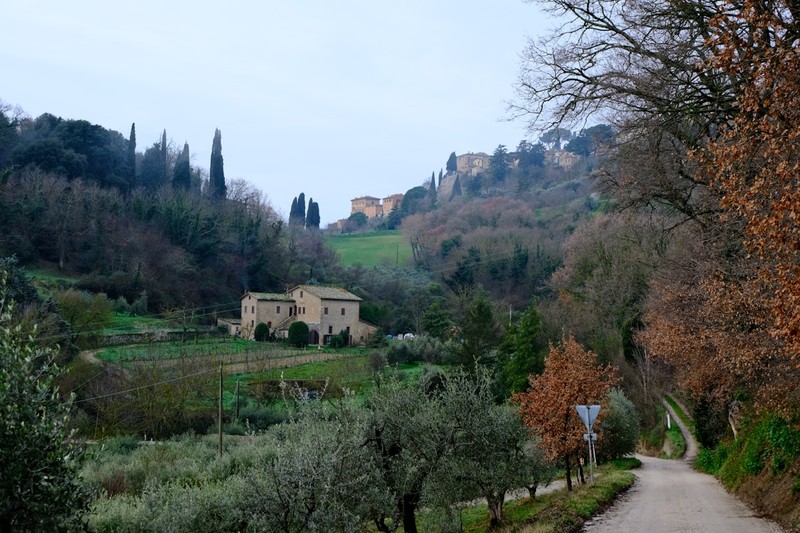
Day 1: Siena to Montalcino (60 km, 700 m climb). Ride through the Crete Senesi, a lunar-like landscape of clay hills. Stop at a winery before arriving in Montalcino. Stay at an agriturismo just outside town.
Day 2: Montalcino to Pienza (45 km, 400 m climb). This is a shorter day through the Val d’Orcia. Visit the hilltop town of Pienza and enjoy its famous pecorino cheese. Stay in a farmhouse near Pienza.
Day 3: Pienza to Montepulciano (50 km, 600 m climb). Ride through rolling vineyards and past the iconic cypress trees. Montepulciano is known for its Vino Nobile. Stay in a town-centre B&B.
Day 4: Montepulciano to Cortona (55 km, 700 m climb). A scenic ride through eastern Tuscany. Cortona is a beautiful hilltop town with plenty of restaurants.
Day 5: Cortona to Assisi (65 km, 900 m climb). The toughest day, with a long climb into Umbria. Assisi is worth the effort. Stay in an agriturismo near the town.
Day 6: Assisi to Spoleto (50 km, 600 m climb). A more relaxed ride through the Umbrian hills. Spoleto has a charming historic centre.
Day 7: Spoleto back to Siena (60 km, 800 m climb). Return to Siena via a different route, passing through the Val di Chiana. This loop gives you a mix of Tuscany and Umbria, with manageable daily distances.
Use a luggage transfer service to move your bags between accommodations. It usually costs around €15 per bag per day. Plan to start riding by 8:30 AM to arrive at your next stop by 4 PM, with a long lunch break.
Travel Insurance and Safety Tips for Cyclists in Italy
Don’t skip travel insurance if you’re cycling. Make sure your policy covers cycling, including any damage to a rented bike. Some policies exclude cycling as a high-risk activity. Ride single file on narrow roads, especially on descents. Use a rear flashing light even during the day—cars often come around corners quickly. Carry a basic first-aid kit and know the emergency number: 112 in Italy. Traffic in rural areas is generally respectful of cyclists, but stay vigilant at intersections and on blind corners. Have a phone with a local SIM card or international data plan for navigation and emergencies.
When to Go: Best and Worst Months for a Cycling Tour
Spring and autumn are the best seasons for cycling in rural Italy. April and May offer mild temperatures, wildflowers, and green landscapes. September and October bring harvest time, with golden colors and fewer tourists. Summer, from June to August, is hot and crowded. If you ride in summer, start early—before 8 AM—and finish by midday. August is especially challenging because of heat and the Ferragosto holiday, when many businesses close. Winter, from November to March, is generally too cold and rainy for most routes, though you might find a few mild days in the south. For vineyard views, book September. For fewer tourists, aim for mid-May or late October.
Ready to Book Your Cycling Tour?
By now, you should have a clear picture of what to expect. Choose the right region, decide on tour style, pack well, and plan your route. Whether you prefer a self-guided trip with a luggage transfer or a fully supported tour, the key is to start planning early. Browse our recommended tour operators and accommodation partners to find an option that fits your budget and fitness level. If you’d like a base camp experience, consider booking directly at Agriturismo Baccole, where you can ride loops through Tuscany’s best countryside and return to a home-cooked meal each evening. Happy riding.