
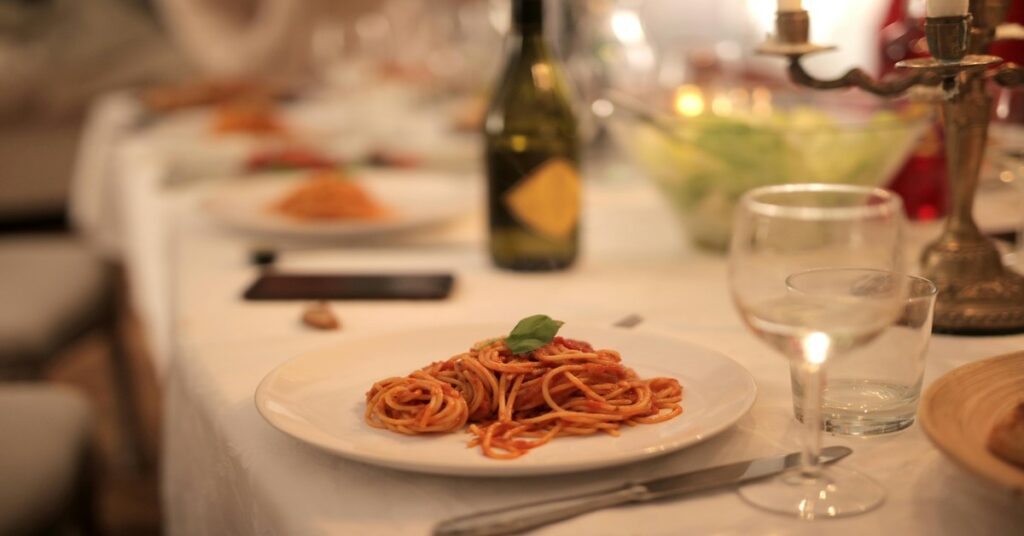
Introduction
If you’re planning a trip to Italy and “farm-to-table” is part of the appeal, you’re about to discover that an agriturismo offers it in its most authentic form. This isn’t a trendy restaurant concept—it’s how people have been eating on Italian farms for generations. This agriturismo food guide gives you a practical look at what those meals are really like, how they work, and how to get the most out of them. No glossy descriptions here. Instead, you’ll get the kind of advice you’d hear from someone who has sat at those long farm tables, dealt with the language barrier, and learned the unspoken rules of the dining room. By the time you’re done, you’ll know exactly what to expect, what to bring, and how to plan your stay. Let’s get into it.
I always recommend calling ahead, even if you booked online. The personal touch matters in rural Italy.
From what I’ve seen, the agriturismos that invest in their kitchen tend to be better at everything else too.
Related: What is an Agriturismo? Italy’s Unique Farm-Stay Explained | Choosing the Right Region: Where to Stay for Your First Visit | When to Visit Italy for the Best Agriturismo Experience
What Is an Agriturismo Meal?
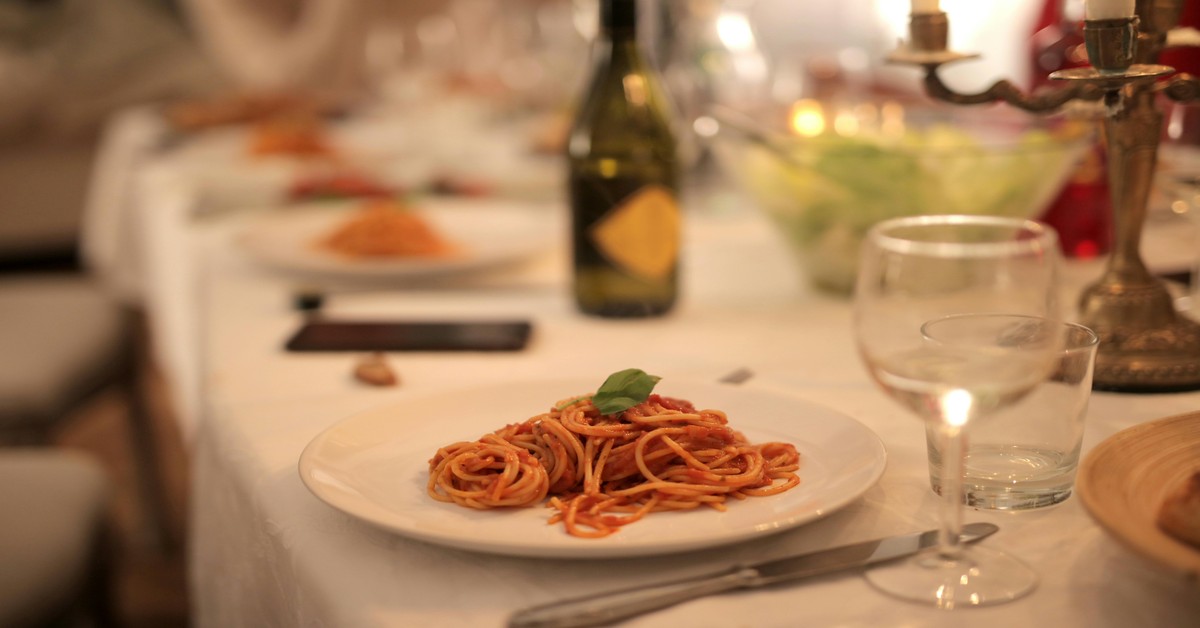
First things first: an agriturismo meal is not the same as eating at a restaurant. The food comes directly from the farm’s own fields, orchards, and livestock. Most of what lands on your plate was picked, slaughtered, or pressed within the last day or two. This isn’t about fancy plating or pretentious ingredients—it’s about simplicity and quality.
Meals are often served family-style. That means you’ll share the table with other guests, and dishes are placed in the center for everyone to help themselves. Some properties include meals in the price of your stay; others offer them as an optional add-on. Always check before you book.
Don’t expect a menu you can choose from. Most agriturismos offer a fixed menu based on what’s in season that day. You’ll eat what the farmer’s family eats—that’s the whole point. Portions are generous, but pacing is slower than you might be used to. It’s a long, leisurely affair, meant to be enjoyed, not rushed.
How Meals Are Structured: Breakfast, Lunch, and Dinner
Breakfast
Breakfast is usually the simplest meal of the day. You’ll find fresh pastries—often cornetti or biscotti—homemade jams, local yogurt, and maybe some fresh fruit. Coffee is almost always available, but don’t expect a full American-style breakfast. It’s light, meant to get you started before a day of exploring. Some agriturismos lay out a spread of cheeses and cured meats, but that’s less common.
Lunch
Lunch can go either way. Some properties serve a lighter meal—maybe a pasta dish, a salad, and some bread. Others go all out, especially if guests are staying on the property for the afternoon. If you’re coming back from a day trip, ask ahead. Some agriturismos require notice for lunch service, so don’t assume it’s available just because dinner is.
Dinner
Dinner is the star of the show. Expect multiple courses: an antipasto (cured meats, cheeses, pickled vegetables, bruschetta), a primo (pasta or soup), a secondo (meat or fish with vegetables), and then dessert. Wine and water are typically included or available at a small extra cost. Meals start around 7:30 or 8:00 PM and can run two to three hours. Don’t plan anything afterward—just relax and let the evening unfold.
Common Ingredients You’ll Find on the Table
Seasonality is the law of the land. What you eat depends on what’s growing or recently harvested. But there are staples you can count on:
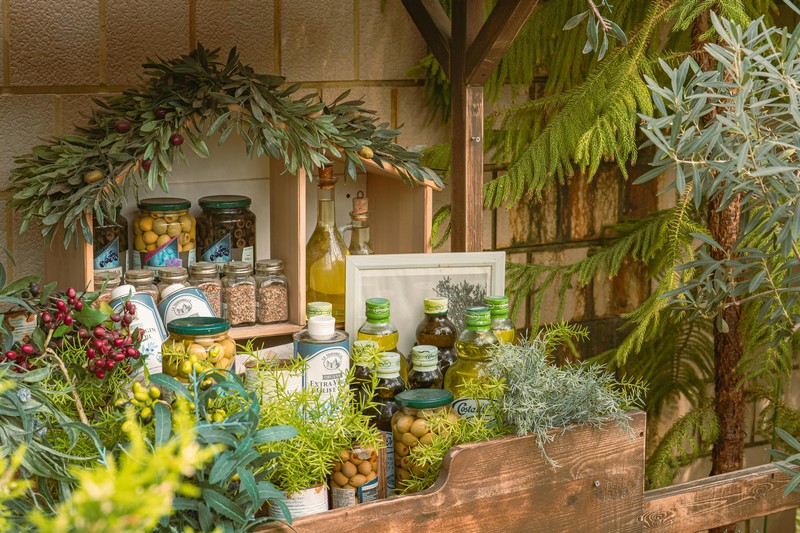
- Olive oil – Every farm takes its olive oil seriously. It’s usually estate-produced, green, peppery, and used generously. Taste it on everything.
- Seasonal vegetables – Aubergines, zucchini, tomatoes, peppers, and artichokes show up in different forms depending on the time of year.
- Local cheeses – Pecorino, ricotta, and mozzarella are common. Many farms make their own.
- Cured meats – Prosciutto, salami, and capocollo are frequent players. Some farms raise their own pigs.
- Fresh pasta – Pici, pappardelle, tagliatelle, and ravioli are handmade daily. The sauce is always simple and ingredient-driven.
- Bread – Often unsalted, made with local flour. It’s meant to be paired with the meal, not eaten alone.
- Wine – Usually from the region, sometimes from the farm’s own vineyard. Red, white, or rosato—there’s always something local.
This isn’t exotic food. It’s everyday Italian cooking done with the best possible ingredients. And that’s exactly what makes it memorable.
Dietary Restrictions and How to Handle Them
Agriturismos are not like restaurants with extensive menus. If you have dietary restrictions, you need to communicate them clearly and early. Vegetarian and pescatarian diets are usually manageable. Many farms serve fish on certain days, and vegetable-based pasta dishes are common. Vegan diets can be trickier—many dishes rely on cheese, eggs, or lard. Gluten-free is possible, but you must give advance notice. Some farms offer gluten-free pasta, but don’t assume it’s standard.
Here’s what works:
- Call or email before booking. Don’t wait until you arrive.
- Learn key Italian phrases. “Sono vegetariano/a” (I’m vegetarian) and “Senza glutine” (gluten-free) go a long way.
- Be polite but clear. Explain exactly what you can and cannot eat. Vague statements like “I don’t eat meat” can lead to misunderstandings.
- Ask about substitutions. Most farmers are happy to accommodate, as long as they know in advance.
If you have severe allergies, especially to nuts or shellfish, double-check everything. Ingredients are rarely labeled. A farm can tell you what’s in the dish, but you’ll need to ask at every meal.
The Role of Wine and Homemade Drinks
Wine is part of the package at most agriturismos. Many farms produce their own wine, either for personal consumption or for sale. You’ll typically be offered a house wine with dinner. It’s often included in the meal price, though some properties charge a small supplement for higher-end bottles.
Don’t be shy about asking for a tasting. If the farm has a cantina, they’re usually proud to show it off. You might also be offered homemade limoncello, grappa, or amaro after dinner. These digestivi are meant to help with digestion—and they’re often included as a courtesy.
Beyond alcohol, many farms produce their own olive oil, honey, and preserves, which are often available for purchase. If you’ve enjoyed something during your meal, ask if they sell it. Most do, and it makes for a great souvenir.
What Makes Agriturismo Food Different from Restaurant Food
Here’s the honest truth: you’re not getting restaurant-quality food in the sense of complex techniques or elaborate presentations. What you’re getting is fresher, more seasonal, and more personal. The cook is often the farmer’s wife or mother. The recipes have been passed down through generations. The ingredients were in the ground yesterday.
There are tradeoffs. You have no choice in what you eat. If the menu includes tripe and you don’t like tripe, that’s tough luck. There’s no a la carte ordering, no substitutions without notice, and no late-night kitchen. But the quality of the ingredients is nearly impossible to replicate in a city restaurant. The olive oil alone is worth the trip.
Another difference: the atmosphere. You’re eating in someone’s home, often in a converted farmhouse dining room. It’s communal, conversational, and unhurried. It’s not about being served—it’s about sharing a meal. That’s the real value.
How to Choose an Agriturismo Based on Its Food
If the food is your priority, you need to do some research before you book. Not all agriturismos are created equal. Some focus more on accommodation, while others revolve entirely around the dining experience. Here’s what to look for:
- Mention of “cucina casalinga” or “produzione propria.” These phrases indicate home-style cooking and farm-produced ingredients.
- Check reviews specifically for food. Look for comments about freshness, portion size, and variety. Ignore reviews that just say “great breakfast”—you want details.
- Ask about meal packages. Some agriturismos offer half-board (breakfast and dinner) or full-board (all meals). If food matters to you, half-board is usually the sweet spot.
- Look for cooking classes or farm tours. These are a strong signal that the property takes its culinary offerings seriously.
- Read recent reviews. Farming operations change season to season. A review from two years ago might not reflect the current kitchen team.
Don’t book purely based on photos of food. People stage food for social media. Instead, look for consistency in guest feedback. If multiple guests mention the quality of the homemade pasta or the estate olive oil, you’re onto something good.
Common Mistakes Travelers Make with Agriturismo Meals
I’ve made most of these mistakes myself. Here’s how to avoid them:
- Assuming meals are available at any hour. Most agriturismos serve meals at set times. If you miss dinner, you’re out of luck.
- Not asking about dietary restrictions until arrival. By then, it’s too late. The kitchen has already planned the week’s menu.
- Expecting individual menus. This is a family meal, not a restaurant. You eat what’s served. If you’re a picky eater, this might not be for you.
- Over-ordering or skipping courses. Don’t fill up on bread before the pasta comes. And don’t skip the main course because you think you’re full—you’ll regret it later when you see what you missed.
- Not bringing a reusable bag. If you liked something, the farmer might offer you a jar of honey or a bottle of olive oil to take home. A bag is handy for those spontaneous purchases.
These are small things, but they can turn a good meal into a frustrating one. A little preparation goes a long way.
What to Bring to Enhance Your Dining Experience
You don’t need much, but a few things can make the experience smoother and more enjoyable:
- A reusable water bottle. Tap water is generally safe to drink in most of Italy, but some travelers prefer filtered or bottled water. A reusable bottle is practical and eco-friendly.
- A small notebook. You’ll taste wines, olive oils, and cheeses that you’ll want to remember. Jot down the names, the vintages, and what you liked about them.
- A camera. Not for Instagram—just for your own records. Some farms have beautiful dining rooms, and you’ll want to capture the setting.
- Comfortable clothing. These are long meals. Tight jeans or formal wear will make you miserable. Choose something you can sit in for three hours without thinking about it.
These aren’t must-haves, but they’ll help you make the most of your time at the table.
How to Book and Plan Your Stay for the Best Food Experience
Booking directly with the agriturismo is almost always better than using an online travel agency. You can ask specific questions about the food, clarify meal packages, and request special accommodations. It also keeps more money in the farmer’s pocket.
When you book, ask these questions:
- Are meals included in the price, or are they optional?
- Is dinner served every night, or only on certain days?
- Is there a set menu, or can I choose from options?
- Is there a kids’ menu or smaller portions for children?
- Do you offer cooking classes, market tours, or farm visits?
Some agriturismos offer wine pairing dinners, truffle hunts, or pasta-making workshops. These are worth the extra cost if you’re serious about food. Ask about them when you book—they often have limited availability.
Also, confirm the timing. If you’re arriving late, don’t expect a hot meal. Most kitchens close after a certain hour, so plan your arrival accordingly.
When to Skip an Agriturismo Meal (And What to Do Instead)
This might sound counterintuitive, but there are times when it’s smarter to eat elsewhere. Here’s when:
- You have strict dietary requirements that can’t be easily met. If you’re vegan with a nut allergy, an agriturismo kitchen might not be able to accommodate you safely. In those cases, a local trattoria with a menu you can review online is the safer bet.
- You want a late-night meal. Agriturismo dinners start early and end earlier. If you’re used to eating at 10 PM, you’ll be out of luck.
- You prefer a la carte fine dining. If your idea of a great meal involves choosing from a four-page menu and having dishes plated by a chef, an agriturismo isn’t the right venue.
In those situations, look for a local trattoria or osteria in the nearest town. You’ll still get good food, but with more flexibility. You can also visit a local market and assemble your own picnic—many farms are happy to sell you their produce and cheese directly.
Realistic Expectations: What a Typical Dinner Looks Like
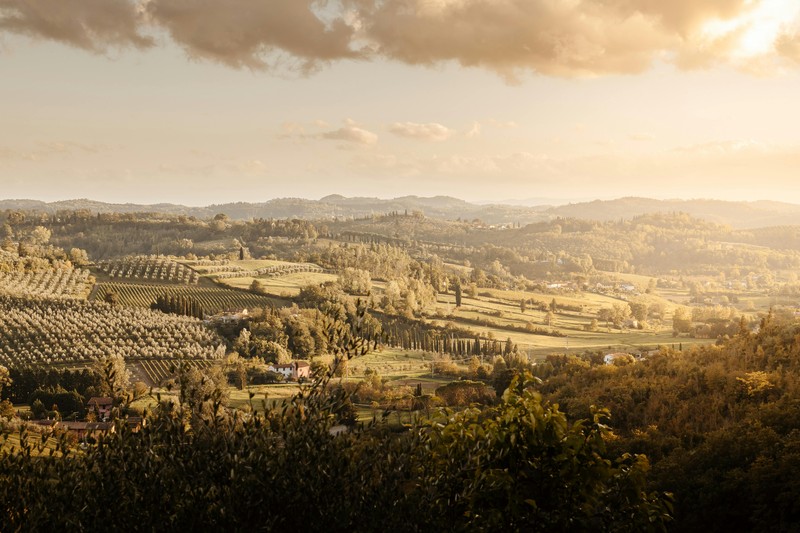
Let me walk you through a real scenario. You’re seated at a large communal table with three or four other parties. The host brings out a carafe of red wine and a basket of bread. Then the antipasto arrives: a platter of locally cured prosciutto, a wedge of pecorino, some marinated olives, and a dribble of that estate olive oil. You eat slowly, talking to the people next to you.
Next comes the primo—a bowl of handmade pappardelle with a ragu of wild boar and rosemary. The pasta is slightly chewy in the way only handmade pasta can be. The sauce is rich but not heavy. You help yourself to seconds.
Then the secondo: roasted chicken or braised rabbit, served with a side of sauteed greens and roasted potatoes. The meat is simple but flavorful. You might get a third course if the farm raises its own pigs—maybe a grilled pork chop or a piece of local sausage.
Dessert follows: a slice of tiramisu or perhaps a simple fruit tart made with apples from the farm’s orchard. Finally, someone brings out a bottle of limoncello or grappa. You sip it slowly, and the meal is over. You’ve been at the table for two and a half hours, but it feels like half that.
That’s the experience. It’s not showy. It’s not about Instagram. It’s about sitting down with strangers, sharing food that was grown within sight of your table, and leaving full in every sense of the word. Travelers who want to capture the setting and flavors for later might appreciate a small travel journal to jot down tasting notes and memories.
Check italy travel guide book on Amazon
Ready to Experience Authentic Farm-to-Table Dining?
Agriturismo dining isn’t for everyone. But if you value simplicity, quality, and a direct connection to where your food comes from, it’s one of the most rewarding ways to eat in Italy. This guide should give you a clear picture of what to expect, how to prepare, and how to choose the right farm for your needs. The rest is up to you. Pack a notebook, bring an open mind, and come hungry.