
Introduction
Booking an agriturismo in Italy isn’t like booking a standard hotel. The experience shifts dramatically with the seasons, and choosing the wrong time can mean missing the very thing you came for. Whether it’s the harvest, the cooking classes, or simply the quiet of the countryside, timing is everything. This article breaks down each season—spring, summer, autumn, and winter—comparing costs, crowds, activities, and the unique flavors each brings to the table. If you’re actively researching the best time visit agriturismo, you’ve come to the right place. We’ll help you match your priorities to the perfect moment, so your stay feels less like a vacation and more like a welcome home.
When I first started researching this, I made a lot of assumptions that turned out wrong.
Why Timing Your Agriturismo Stay Matters More Than You Think
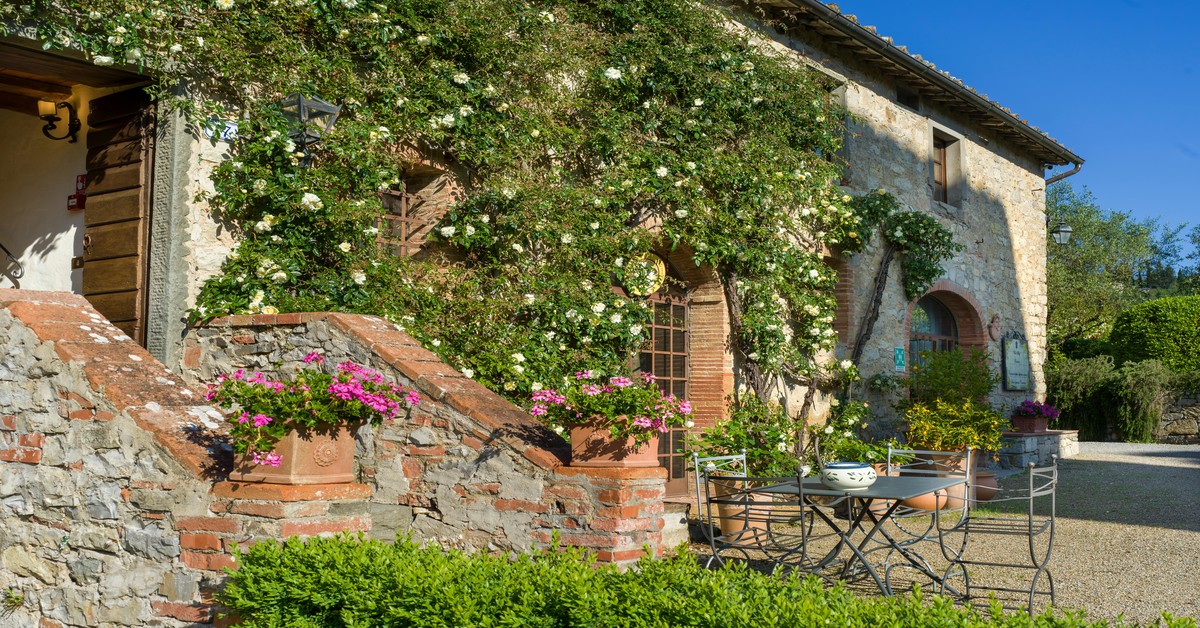
Agriturismos are working farms, not just charming bed-and-breakfasts. Their rhythm is dictated by the land. In spring, you’ll find lambing and cheese-making. Summer brings long, sun-drenched days perfect for olive orchard strolls, but the real work—like the grape harvest—hasn’t started yet. Autumn is the grand finale, with vendemmia (grape harvest) and olive pressing in full swing. Many smaller, family-run places even close during the quiet winter months or operate with minimal services. This is a world away from a standard hotel, where the pool is always open and breakfast is served rain or shine. Your experience—what you eat, what you see, what you can do—is tied directly to the calendar. So, there is no single “best” time. The best time for you depends on whether you’re chasing culinary experiences, budget-friendly rates, family-friendly amenities, or peaceful solitude. Let’s walk through each season so you can decide with confidence.
Related: Smart Italy Travel Insurance Tips: Navigating Cancellation Policies for Your Trip | Best Italy Navigation Apps: How to Navigate Rural Roads and Find Farm-Stays | Agriturismo Safety Tips: Staying Safe on a Working Farm in Italy
Spring (March–May): The Sweet Spot for Budget and Blooms
Spring is the season of renewal, and it’s a wonderful time for budget-conscious travelers who still want an authentic taste of farm life. The landscapes are bursting with wildflowers—poppies, wisteria, and lavender beginning to show—making for stunning views without the summer heat. Rates are often 20-30% lower than peak summer, and you’ll find far fewer tourists everywhere you go.
What you’ll experience on the farm: lambing season in the hills, fresh sheep’s milk cheese being made, and early produce like artichokes, asparagus, and fava beans appearing on the table. Many agriturismos offer spring-specific activities, like foraging for wild herbs or learning to make ricotta. Easter is a major event, with local festivals (sagre) celebrating everything from chocolate to local wines. Just keep in mind that March and April can be unpredictable. You might get glorious sunshine one day and a chilly rain the next. Pack layers and a good travel umbrella. For those who want to save money and avoid crowds, spring is a reliable choice. It’s also ideal for photographers who want vibrant landscapes without the harsh midday light of summer.
Summer (June–August): Peak Season for Sun, Harvest, and Crowds
Summer is the classic Italian vacation season. The days are long, the sun is strong, and the countryside feels alive with activity. Families love summer agriturismos because they often have pools, playgrounds, and enough space for kids to run free. But you pay for that convenience. Rates are at their highest, and popular properties book up months in advance—think four to six months for the best spots in Tuscany or Umbria.
On the farm, summer is a busy time. The grape vines are bulking up for the autumn harvest, and olive orchards are being tended. You might see preparations for truffle hunting or early evening harvest festivals (feste dell’uva) in late August. But the real food experiences—the ones centered on picking and pressing—are still a few weeks away. If you’re booking a summer agriturismo for serious culinary immersion, you might be slightly disappointed. The real payoff comes in autumn. However, if you want access to the full range of farm facilities (pools, cooking classes that use summer vegetables, and late-evening outdoor dining), summer is your season.
Be prepared for heat, especially in inland regions like Tuscany, Umbria, and Sicily. Air conditioning is not always standard in older farmhouses, so check beforehand. And bring insect repellent—the countryside is buzzing in the summer months.
Autumn (September–November): The True Harvest Season for Food Lovers
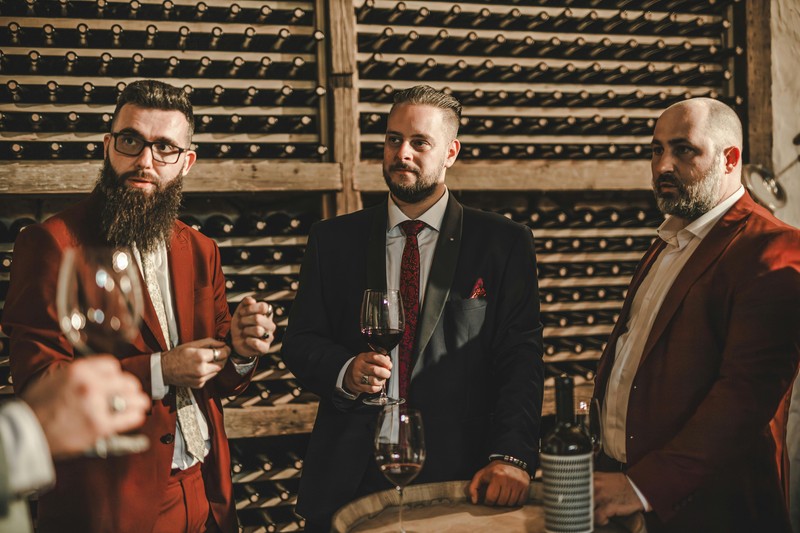
If you travel for food, autumn is hands-down the best time visit agriturismo. This is when the Italian countryside delivers its riches. The grape harvest (vendemmia) typically runs from late August through October, depending on the region and grape variety. Many agriturismos invite guests to participate—picking grapes, stomping them, and then enjoying the fruits of their labor at dinner. It’s a hands-on experience you simply can’t get any other time of year.
Beyond wine, autumn is olive harvest season. From October through November, you can watch—or join—the pressing of extra virgin olive oil. Some properties offer tours of their frantoio (olive mill) and tastings of the freshly pressed oil, which has a peppery, grassy flavor completely unlike anything you’ve bought in a supermarket. Truffle season peaks in autumn, too, with fairs and auctions in towns like Alba and Norcia. Chestnut festivals (sagre delle castagne) pop up in the hills, offering roasted chestnuts, chestnut flour pasta, and local wines.
The weather is cooler and more comfortable for hiking. The crowds have thinned after summer, and rates drop slightly—especially in November. The trade-off is shorter daylight hours and the possibility of rain. Pack sturdy shoes for harvest walks and a light waterproof jacket. For serious foodies and return visitors who have already seen the summer sights, autumn is the definitive choice.
Winter (December–February): Quiet, Cheap, and Unexpectedly Magical
Winter is Italy’s best-kept secret for agriturismo lovers who want solitude and deep immersion. Many small agriturismos close for the season, but the ones that stay open offer dramatically lower rates—sometimes 50% less than summer. You’ll often have the property to yourself, with the family treating you like an honored guest rather than just another booking.
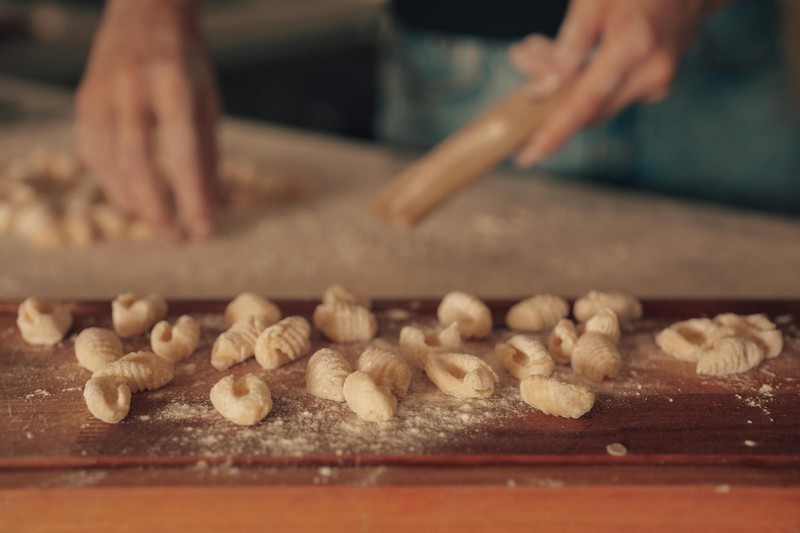
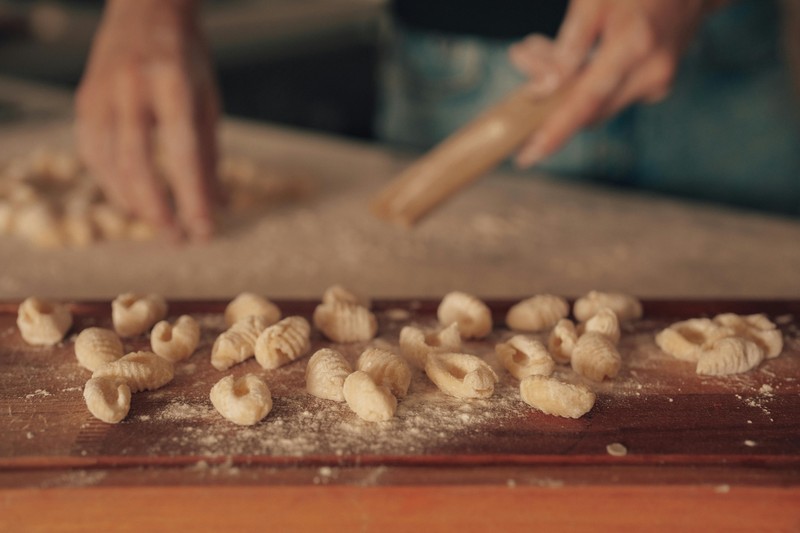
What do you do in winter? You cook. Indoor cooking classes become the main event—learning to make fresh pasta, ragù, or biscotti by a roaring fireplace. Wine tastings become more intimate, and you’ll have the winemaker’s undivided attention. In the northern foothills, you might even find snow-dusted landscapes, making for beautiful winter walks. Christmas markets (mercatini di Natale) near agriturismos in regions like Trentino, Alto Adige, and Piedmont are a bonus. You can combine a farm stay with visits to these festive markets, sipping mulled wine and buying local crafts.
The downside is that farm activities are limited. Don’t expect harvests or outdoor foraging. The focus is on indoor comforts, food, and quiet. This is best for couples or solo travelers who want to slow down and really engage with the family. It’s also ideal for budget travelers who don’t mind cold weather. If you’re looking for a peaceful winter escape with unmatched hospitality, winter agriturismo stays are a surprisingly magical choice.
Something I noticed right away: the more expensive option isn’t always the better fit.
Agriturismo by the Numbers: Average Pricing and Occupancy Comparison
To help you plan, here’s a practical breakdown of what to expect financially and logistically across the seasons. Keep in mind that these are ranges—prices vary widely by region, property type, and amenities.
- Spring (March–May): Average nightly rate: €80–€130 per room. Occupancy: 50-70%. Booking lead time: 1–2 months. Great value for money.
- Summer (June–August): Average nightly rate: €130–€200+ per room. Occupancy: 85-95%. Booking lead time: 3–6 months. Peak prices and demand.
- Autumn (September–November): Average nightly rate: €100–€160 per room (September is higher, November is lower). Occupancy: 60-80% (September is busiest). Booking lead time: 2–4 months for September.
- Winter (December–February): Average nightly rate: €60–€100 per room. Occupancy: 30-50%. Booking lead time: 2–4 weeks. Best deals, but limited options.
These figures underline a key point: the best time visit agriturismo for your wallet is spring or winter, while summer and early autumn demand premium pricing and early planning. Always check current rates and availability directly with the property or through a reliable booking platform.
Making the Choice: What’s Your Personal Best Time to Visit an Agriturismo?
There’s no single right answer, but there is a perfect match for every traveler. Use these scenarios as your guide.
If you want the best food experiences for your money: Choose autumn (September–October). You’ll get the harvest, the truffles, the olive oil, and the festivals—all at slightly lower rates than summer.
If you’re traveling with kids and need facilities: Summer is your best bet. Look for agriturismos with pools, family-friendly amenities, and air conditioning. Book early.
If you want to save money and avoid crowds: Spring is your season. The landscapes are beautiful, the rates are low, and you’ll still find plenty of authentic farm experiences like cheese-making.
If you’re a couple or solo traveler seeking peace: Winter offers solitude, deep connection with hosts, and unbeatable value. Just be sure the property is open before you book.
If you’re a photographer or nature lover: Spring and autumn offer the most dramatic light and color—blooms in spring, golden vineyards in autumn.
Think about what matters most to you: food, budget, weather, or solitude. Once you know that, the season chooses itself.
3 Common Mistakes When Choosing a Season for Agriturismo (And How to Avoid Them)
Even experienced travelers make these mistakes. Here’s how to avoid them.
Mistake 1: Assuming all agriturismos are open year-round. Many smaller, family-run properties close from November to March, or at least during the coldest months. Always check the property’s specific opening dates before you get your heart set. Solution: Filter your search by operating season or contact the property directly.
Mistake 2: Booking summer for food experiences that actually happen in autumn. You can’t pick grapes in July. The vendemmia is in September and October. The olive harvest is in October and November. If your dream is to participate in the harvest, book for autumn, not summer. Solution: Match your desired activity to its actual season.
Mistake 3: Ignoring local festivals and their effect on availability. A town’s sagra (food festival) can mean every room within 50 kilometers is booked solid. It can also mean inflated prices. On the flip side, it can be a fantastic cultural experience. The trick is knowing they exist. Solution: Research local festivals for your target region and dates. Plan around them—either to attend or to avoid the crowds, depending on your preference.
Your Decision Toolkit: What to Pack for Your Agriturismo Stay
Packing smartly for an agriturismo is different than packing for a city hotel. Here’s a seasonal checklist to make sure you’re prepared.
Spring: Layers are your friend. A lightweight rain jacket, a travel umbrella, comfortable walking shoes, and a warm sweater for cool evenings. Don’t forget a good camera.
Summer: Swimwear, sun hat, high-SPF sunscreen, insect repellent (essential!), light cotton clothing, and comfortable sandals. A refillable water bottle is a lifesaver.
Autumn: Sturdy hiking boots or trail shoes for harvest walks. A warm jacket or fleece for cooler evenings. A waterproof layer for potential rain. A small backpack for carrying your purchases from festivals.
Winter: Warm layers, a heavy coat, gloves, a scarf, and a hat. Indoor activities mean packing a good book, a travel journal, or a tablet. Also, comfortable slippers for lounging by the fire. A universal travel adapter is always a good idea for any season.
Final Verdict: When Should You Book Your Agriturismo Stay?
I’ve been through this process enough times to know that the best choice is the one you’ll actually use.
After walking through all four seasons, one thing is clear: the best time visit agriturismo depends entirely on what you value most. For food lovers and harvest enthusiasts, autumn is unbeatable. For budget travelers and those who love blooming landscapes, spring is a clear winner. Families will find the most to do in summer, while solitude seekers will treasure winter’s quiet magic. Whichever season you choose, the key is to book early—especially for summer and autumn, when the top properties fill up fast. Don’t wait until the last minute. Start comparing agriturismo properties today and lock in the dates that match your vision of the perfect Italian countryside escape. Your nonna-approved adventure is waiting.