
Why Umbria Is One of Italy’s Best Regions for Truffle Hunting
Umbria doesn’t shout about its truffles the way Tuscany or Piedmont does. That’s part of its charm. The region has quietly been a powerhouse for truffle hunting for generations. The rolling hills, oak forests, and river valleys create ideal growing conditions. Norcia, Spoleto, and Gubbio are the main hubs, each with its own hunting traditions and seasonal rhythms.
Norcia, in particular, is famous across Italy for its black truffles. The town sits in the Monti Sibillini foothills, where altitude and soil composition produce a particularly fragrant variety. Spoleto and Gubbio offer excellent hunting grounds too, with more accessible terrain for beginners. What sets Umbria apart is a noticeable lack of crowds. You won’t be lining up with other tourists. The forest feels private, and the hunters are usually seasoned locals who have worked the same patches for decades.
Compared to Tuscany, where truffle hunts have become a standard package for villa guests, Umbria keeps things less commercial. The experience feels more authentic. If you’re after black truffles specifically, Umbria competes directly with the best regions in Italy. The whites are excellent too, though scarcer and pricier. The real advantage is consistency. Even in a slow season, a good handler with a trained dog will almost always find something.
Related: Masseria Puglia Guide: How to Choose the Right Farm-Stay in Southern Italy | Luxury Agriturismos in Sicily: Fine Dining and Farm Life | Autumn in Emilia-Romagna: Best Agriturismos for Foodies
The Two Main Truffle Seasons: Black vs. White
Understanding the seasons is the single most important decision when planning a truffle hunt. It affects cost, availability, and what you actually bring home.
Black truffle season runs roughly from June through November. This is the more accessible option. Black truffles are abundant, less expensive, and easier to find. Summer hunts are pleasant—warm days, long light, and dogs that work well in dry conditions. The black truffle from Norcia is highly regarded and holds up well in cooking. If you’re on a budget or visiting during summer, this is your season.
White truffle season is shorter and more exclusive. It starts in September and peaks in October and November, sometimes stretching into early January. White truffles are rarer, more aromatic, and significantly more expensive. They’re also harder to hunt. Dogs need to be more precise, and the conditions have to be just right. If you book during white truffle season, expect to pay a premium for the experience and for any truffles you buy directly from the hunter. But the flavor is unforgettable.
Here’s a quick comparison:
| Factor | Black Truffle | White Truffle |
|---|---|---|
| Season | June–November | September–January |
| Cost | Lower | Much higher |
| Availability | Common | Rare |
| Hunting difficulty | Moderate | Harder |
| Best for | Budget-friendly, summer trips | Serious foodies, special occasions |
Honestly, most first-timers should aim for the black truffle season. You’ll still have a fantastic experience, and you won’t feel the pressure of paying premium prices for every gram you take home.
What a Typical Truffle Hunt Looks Like: A Step-by-Step Overview
If you’ve never been on a truffle hunt, here’s what to expect. The experience is more practical than glamorous, and that’s exactly why it works.
Meeting the team. You’ll usually meet your handler and their dog at a designated spot—often a farm, an agriturismo, or a trailhead. The handler gives a quick introduction about the dog, the area, and what you’re likely to find. Don’t expect a polished presentation. These are working people, not tour guides.
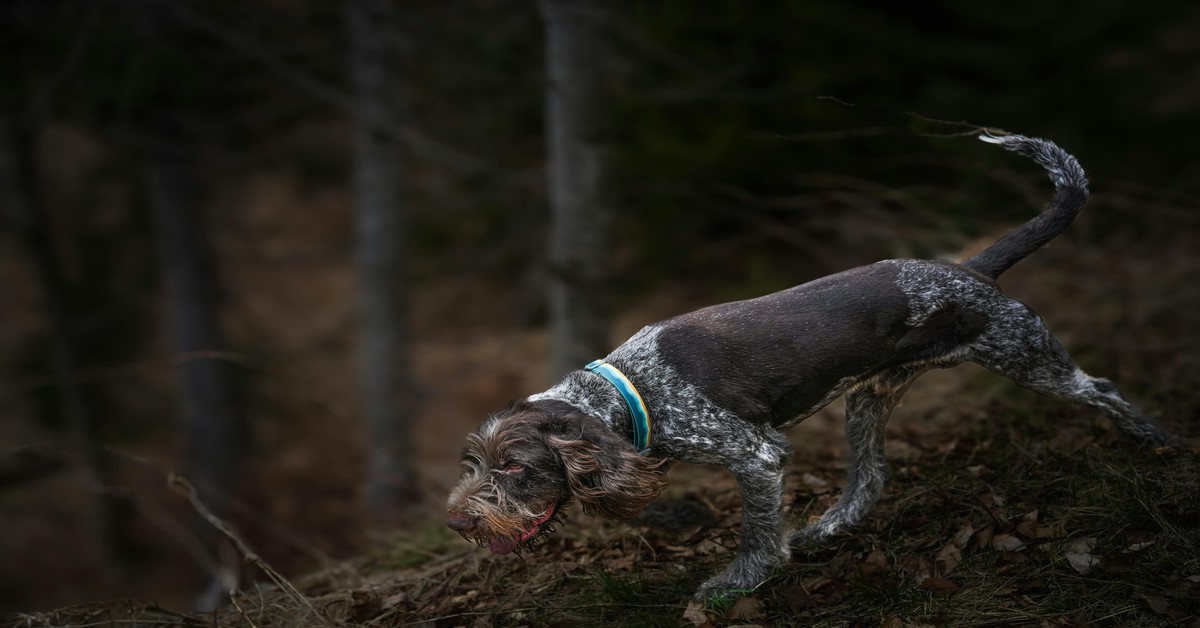
The walk. You’ll head into the forest or oak groves. Terrain varies. Some areas are flat and easy, others are steep and uneven. The dog ranges ahead, sniffing the ground. The handler reads the dog’s behavior—ears, tail, excitement level. When the dog locks onto a spot, everything slows down.
The find. The dog starts digging gently. The handler moves in, often using a small trowel or their hands to expose the truffle without damaging it. This is the moment. The smell hits you immediately—earthy, complex, and intense.
Duration and rhythm. A typical hunt lasts 2 to 4 hours. You’ll cover a few kilometers. The pace is slow and deliberate. There’s plenty of time to ask questions, watch the dog work, and take photos. Some hunts include a tasting afterward—maybe a simple plate of pasta with truffle shavings or a glass of local wine. Always ask if this is included before booking.
Weather matters. If it’s been dry, truffles are harder to find. Light rain is actually good—it softens the ground and makes the scent stronger. Wear layers. The forest can be cool even on a warm day. Travelers who need reliable gear for variable conditions might consider a waterproof jacket that layers easily.
Dog vs. Pig: Why Truffle Hunters in Umbria Use Dogs
You’ve probably seen old photos of pigs hunting truffles. In Umbria, that’s not how it works anymore. Dogs are used almost exclusively, and for good reason.
First, it’s legal. In Italy, using pigs for truffle hunting has been restricted or banned in many regions because of the damage they cause. Pigs root aggressively, tearing up the forest floor and damaging the mycelium network that produces truffles. Dogs are far more precise. They scratch gently, and the handler takes over with a trowel before any real damage happens.
Second, dogs are easier to manage. A trained Lagotto Romagnolo or mixed-breed working dog ranges ahead, comes back on command, and works for hours. Pigs, frankly, are harder to control and less interested in pleasing humans.
Third, dogs don’t eat the truffles. Pigs love truffles and will eat them on the spot if given the chance. Dogs are trained to find and indicate—not consume. This alone makes them far more practical for commercial hunting.
So when you book a truffle hunting umbria guide experience, you’ll be working with a dog. Expect the handler to introduce you to their partner before the hunt starts. That connection between handler and dog is the real engine of the whole operation.
How to Choose a Reliable Truffle Hunting Tour
Not all truffle hunting tours are created equal. Some are fantastic. Others are rushed, overpriced, or outright disappointing. Here’s how to pick a good one.
Check for a real truffle dog. This should be obvious, but some tours use demonstrations or pretend. Ask directly. A licensed handler will have a trained dog, usually a Lagotto Romagnolo or a mixed breed. If they can’t confirm the dog, move on.
Verify the handler’s license. In Italy, truffle hunting requires a license. A legitimate handler will have one. This isn’t just bureaucracy—it means they’ve passed exams on ecology, safety, and legal harvesting.
Ask about language support. If you don’t speak Italian, confirm the handler speaks good English or another language you understand. Some tours offer translation, but not all. Without clear communication, you’ll miss a lot of the context and lore.
Look at inclusions. Does the tour end with a tasting? Fresh pasta with truffles? Wine? A simple snack? Good tours include at least a small tasting. Bad ones drop you off immediately after the hunt.
Watch for red flags. Guaranteeing huge truffle finds is a sign of a gimmick. No one can guarantee that. Low prices often mean short hunts, poorly trained dogs, or no tasting. Read reviews carefully. Look for mentions of the dog, the handler’s expertise, and the quality of the tasting.
If you want a curated experience, consider booking through a platform that vets operators. But personally, I’d recommend asking your accommodation directly. Many agriturismos, including Agriturismo Baccole, work with trusted local handlers and can arrange a private hunt for you.
What to Wear and Bring for a Day of Truffle Hunting
Your clothing and gear will make or break the experience. Here’s a practical list based on what I’ve learned from multiple hunts.
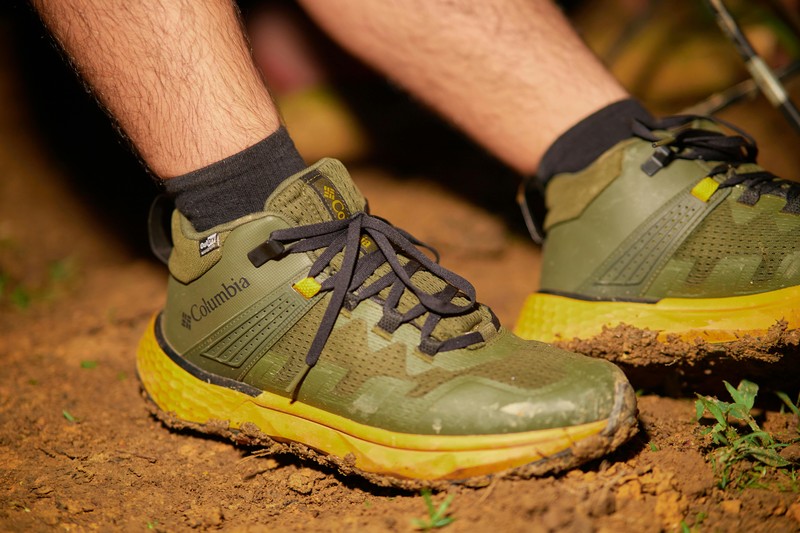
Sturdy waterproof boots. This is non-negotiable. The forest floor is uneven, muddy, and sometimes covered in leaves that hide holes. For those planning a hunt, waterproof boots with good traction are essential. They keep your feet dry and provide grip. Regular hiking boots work too, but waterproofing is critical.
Long pants. Ticks and brambles are real. Jeans or thick hiking trousers are fine. Avoid shorts, even in summer.
Layers. Mornings in Umbria can be cool, even in July. Wear a base layer, a mid-layer, and a weather-resistant jacket. You can peel off layers as the day warms up.
Gloves. A pair of lightweight gardening or work gloves is useful for handling truffles or brushing aside leaves.
Small backpack. Carry water, snacks, a small knife or multi-tool, your phone or camera, and any truffles you buy. A compact daypack for hiking is a practical choice for organizing these items.
Water and snacks. The hunt lasts 2–4 hours, and you’ll be walking. Stay hydrated. A granola bar or piece of fruit is a good idea.
A small container or bag. If you plan to buy truffles from the handler, you’ll need something to carry them home. A paper bag or a small plastic container works perfectly.
One more thing: leave your white pants at home. You will get muddy. It’s part of the charm.
Common Mistakes First-Time Truffle Hunters Make
I’ve seen these mistakes repeat. Save yourself the trouble and avoid them.
Booking too late or too early. White truffle season books up weeks in advance. Black truffle season is more forgiving, but weekends in October fill fast. Book at least two weeks ahead. For peak white season, a month is safer.
Expecting to find massive truffles. Most truffles you’ll find are the size of a marble or a walnut. The fist-sized monsters you see in photos are rare. Realistic expectations will keep you happy.
Wearing bad footwear. Flip-flops, fashion sneakers, or flat loafers will ruin your morning. Your feet will be wet, cold, and sore. Wear proper boots.
Not asking about the post-hunt tasting. Some hunts include a full meal with truffle dishes. Others offer just bread and cheese. If food is important to you, confirm what’s included before booking.
Underestimating the walking distance. You’ll cover 2 to 5 kilometers on uneven ground. It’s not a marathon, but if you’re not used to hiking, it can feel long. Pace yourself and take breaks.
Forgetting to bring cash. If you want to buy truffles directly from the handler, you’ll likely need cash. Cards aren’t accepted in the forest. Have €20–€50 in small bills ready.
Should You Book a Truffle Hunt as a Standalone Activity or Combine It With Other Umbrian Experiences?
This depends on your schedule and priorities.
Standalone truffle hunt. If you’re staying for a few days and want a focused experience, book the hunt on its own. You’ll have a dedicated morning or afternoon, and can spend the rest of the day exploring the surrounding villages or relaxing. This is ideal for people who want depth without rushing.
Combined experience. Many agriturismos and tour operators offer packages that bundle truffle hunting with wine tasting, olive oil tours, or cooking classes. These can save you money and time, but they also mean less flexibility. If you prefer to move at your own pace, stick with standalone.
The tradeoff is clear: standalone gives you a richer, more intimate encounter with the dog and handler. Combined experiences are efficient but can feel a bit squeezed. If you can afford the time, I’d recommend standalone. If you’re on a tight itinerary, a half-day package works well.
If you’re staying at Agriturismo Baccole, you can often arrange a truffle hunt combined with a cooking class or olive oil tasting. They handle the logistics, so you don’t have to jump between locations.
Where to Stay: Agriturismos That Offer On-Site Truffle Hunts
One of the easiest ways to experience truffle hunting in Umbria is to stay at an agriturismo that offers or arranges the activity. You wake up, have breakfast, and walk out the door. No commuting, no logistics.
Agriturismo Baccole is a good example. They work directly with licensed local handlers, and can schedule a private hunt for you during your stay. The convenience is real. You’re already surrounded by the terrain—forests, oak groves, and hillsides. The handler comes to you, and the hunt happens on land they know intimately.
Other agriturismos in Norcia, Spoleto, and Gubbio offer similar arrangements. When booking, always confirm that the truffle hunt is available during your dates. Not all properties offer it year-round, and some require advance notice. A quick email or phone call will save you disappointment.
The added value is that you can often buy truffles from the handler at the end of the hunt, take them back to your kitchen, and cook them yourself. That’s a memory worth having.
Is Truffle Hunting in Umbria Worth It for Beginners?
Yes, with some caveats.
Truffle hunting is perfect for foodies who want to understand where their ingredients come from. It’s also great for nature lovers who enjoy walking through uncrowded forests and learning from people who work the land. Families with older kids—say, 10 and up—will find it engaging, especially if the kids are curious about animals and nature.
Who might be disappointed? People expecting to find huge quantities of truffles. You’ll find some, but it’s not a shopping trip. If you’re looking for a trophy haul, this isn’t it. Also, anyone with serious mobility issues may struggle with the terrain. Some hunts are gentler than others, but none are fully wheelchair accessible.
Cost-to-experience ratio? It’s high, especially if you value authenticity and learning. You’re paying for access to a traditional practice, a skilled handler, and a trained dog. The tasting afterward is usually excellent. For a 2–4 hour immersive experience, it’s a fair deal.
If you’re undecided, here’s my honest take: most people who try it once want to do it again. It has that effect.
Final Practical Checklist Before You Go
- Book at least 2 weeks in advance. More for peak white truffle season.
- Confirm the meeting point and language support. Don’t assume anything.
- Pack gear: waterproof boots, long pants, layers, gloves, small backpack, water, snacks.
- Bring cash: €20–€50 for truffle purchases.
- Arrange transport: Some hunts are far from towns. If you’re staying at an agriturismo, they’ll usually handle this.
- Ask about the tasting: Find out what’s included before you go.
- Check the weather: A light rain can actually improve the hunt, but heavy storms mean cancellation.
- Bring a camera or phone: You’ll want photos of the dog and the truffles.
Write this down or save it. It’ll save you headaches.
Book Your Truffle Hunting Experience in Umbria
You’ve read through the guide. Now it’s time to make it real.
If you’re staying at Agriturismo Baccole, inquire at the reception about booking a private truffle hunt with a licensed local handler. They can arrange everything—timing, language, and even a post-hunt tasting if you want it. You can also book through their website or contact them directly to secure your spot.
If you’re staying elsewhere, ask your accommodation for recommendations. Most agriturismos in Norcia, Spoleto, or Gubbio have contacts they trust. Alternatively, a quick search on a reputable booking platform will turn up options that fit your schedule.
Reserve your spot early, especially if you’re visiting between September and November. The best experiences book out fast. Trust me—you don’t want to be the one hearing about someone else’s truffle hunt while you’re stuck at the pool.
Book your truffle hunting experience in Umbria now. It’s the kind of day you’ll still be talking about years later.