
Horseback Riding Through the Vineyards of Sicily
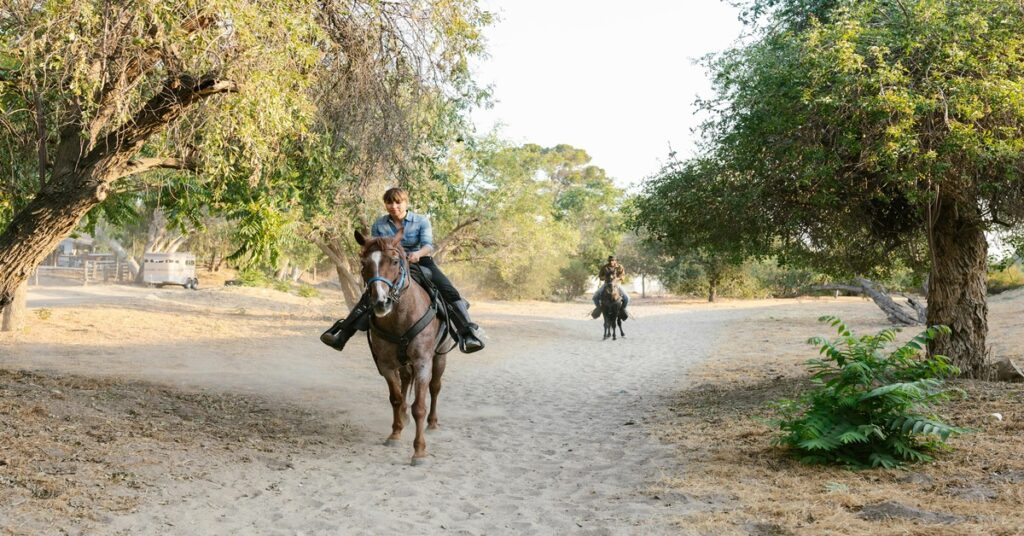
You’ve seen the photos. A winding trail of volcanic dust cuts through row after row of gnarled vines. In the distance, the sea catches the late afternoon light. It looks like a dream. And the truth is, it can be a very real, very memorable experience—if you plan it right. This guide is for travelers who want to move beyond the glossy brochure and get into the nuts and bolts of planning a horseback riding trip through Sicily’s vineyards. We’re talking real costs, actual logistics, the best times to go, and the pitfalls to dodge. I’ve spent time visiting several agriturismi across Sicily that offer these rides, and this article is built on that first-hand experience. Consider this your practical map to a fantastic day on horseback.
After years of traveling through Italian wine country, I’ve found that the smaller producers often deliver the most memorable tastings.
Why Horseback Riding Through Vineyards Works in Sicily
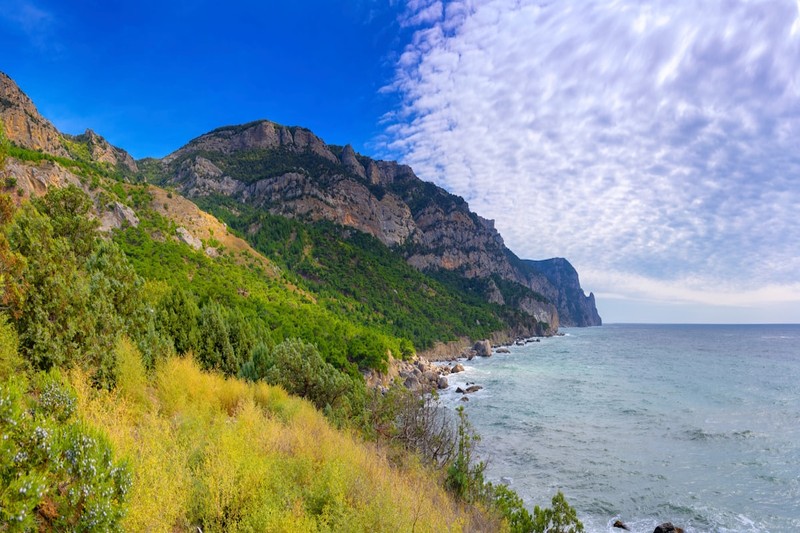
Sicily isn’t one flat, easy landscape. It’s a collection of dramatically different terrains. You have the volcanic slopes of Mount Etna, the gentle, flat valleys of Noto, the coastal salt flats near Marsala, and the rolling hills of the Madonie. The island’s wine culture is just as diverse, producing everything from the mineral-driven Etna Rosso to the rich, sweet Passito di Pantelleria.
Related: Best Italy Navigation Apps: How to Navigate Rural Roads and Find Farm-Stays | Agriturismo Safety Tips: Staying Safe on a Working Farm in Italy | Traveling Italy by Train: How to Reach Farm-Stays Without a Car
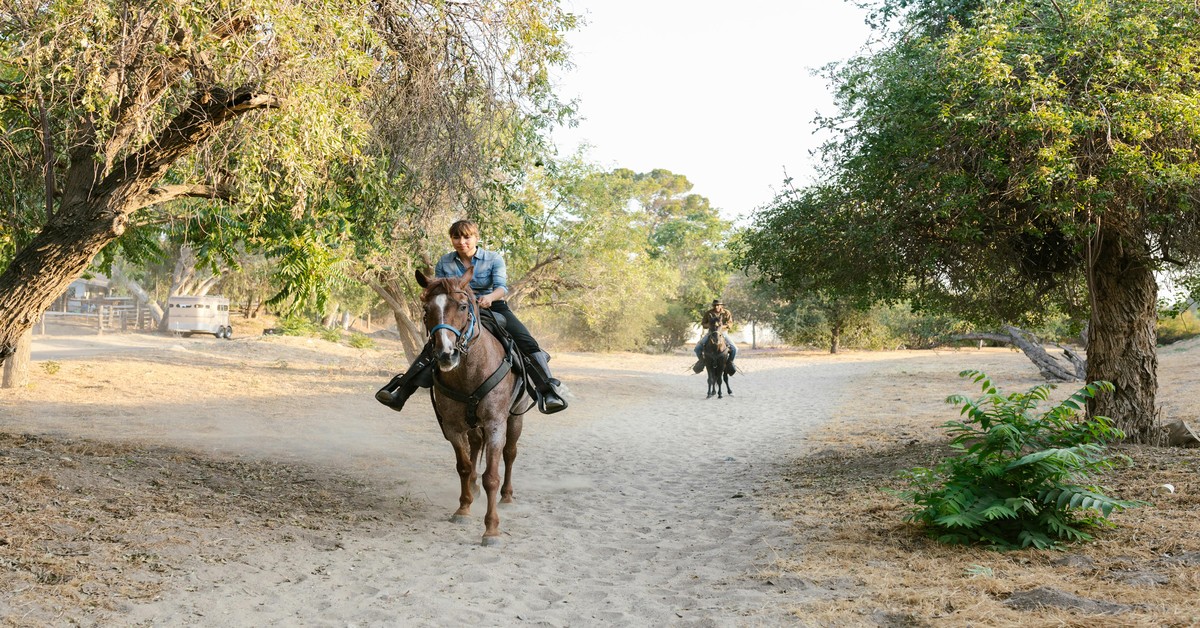
A horse can take you places a car simply cannot. Many vineyards sit on hillsides with narrow, unpaved service roads. You can ride right through the middle of a vineyard, where you’re low enough to see the individual clusters of grapes, to smell the dust and the leaves, and to feel the microclimate that makes each wine distinct. In a single afternoon, you can cover the ground of several different vineyards that would take hours to navigate by car, all while your horse does the heavy lifting. This isn’t a novelty pony ride—it’s a practical, efficient, and immersive way to see the Sicilian countryside. Travelers who want a reliable map for navigating these regional roads may find a Sicily road map useful for planning the drive between agriturismi.
What to Expect on a Typical Vineyard Ride
Most vineyard rides are structured as half-day (around 3–4 hours) or full-day (around 6–7 hours) experiences. A typical half-day ride starts around 9 or 10 in the morning to beat the midday heat. You’ll begin with a quick briefing on the basics of steering and stopping, followed by a gentle warm-up in the paddock or on a flat trail to let you and the horse get comfortable with each other.
The pace is generally a walk, with a little trotting on longer stretches. True cantering depends on your group’s experience level and the terrain. Rides are designed to be accessible—you don’t need to be an expert rider, but you do need basic balance. You’ll be sitting in a saddle for hours, and your core and legs will feel it by the end. The terrain is varied: dusty trails, some rocky patches, and moderate hills. Your horse knows the route well; you just need to steer and enjoy the view. Full-day rides almost always include a lunch break, often at a vineyard or a family-run farm, where you can taste the local wine and olive oil. This is a real highlight, so don’t skip it.
Best Regions in Sicily for Horseback Riding in Vineyards
Choosing the right region is key. Your experience will vary significantly depending on where you go. Here’s a breakdown of the top areas:
Mount Etna
The terrain here is volcanic black soil, cooler temperatures, and dramatic, otherworldly views. The ride itself can be more challenging, with steeper ascents and looser ground. Best for experienced beginners or intermediate riders who want a unique, scenic ride. The vineyards here produce some of Sicily’s most renowned reds.
Noto Valley (Val di Noto)
This region is known for its flat, fertile plains and stunning Baroque towns like Noto and Ragusa. Rides here are generally easier, with gentler terrain and longer, straight trails through the vineyards. It’s a perfect choice for absolute beginners or those who prefer a more leisurely pace. The wine here is the crisp, white Nero d’Avola.
Marsala
The western coast offers a blend of vineyards and salt flats. Rides can take you along the coast, through the salt pans where flamingos gather, and into the vineyards that produce Sicily’s famous fortified wine. The terrain is flat and open, making for easy, scenic riding. Best for anyone who wants a coastal ride with a side of history.
Madonie
The Madonie mountains offer a cooler, greener option with views stretching from the vineyards to the mountains. The terrain is a mix of hills and forest paths. This is a less famous region, so you’ll often find smaller, more intimate rides. Best for hikers and nature lovers who want a quieter, less touristy experience.
Best Time of Year for a Horseback Vineyard Ride
Timing matters in Sicily. The heat and rain can completely change a ride from enjoyable to exhausting. Here’s a month-by-month guide:
Spring (April–June): This is the absolute sweet spot. The weather is mild, the landscape is green, and the vineyards are in active growth. Daytime temperatures are perfect for a long ride. Wildflowers are blooming. You can’t go wrong.
Summer (July–August): Avoid if possible. The Sicilian summer is brutal. Temperatures regularly hit 35°C (95°F) or more. Rides are often scheduled for very early morning or late afternoon. The dust can be thick, and the sun is relentless. It’s not a pleasant experience for you or the horse.
Autumn (September–October): Another prime season. September is harvest time. You’ll see tractors in the vineyards, and the air smells of fermenting grapes. It’s a fantastic experience, but book at least 4–6 weeks in advance because rides fill up fast. The weather is still warm, especially in September. By late October, there’s a chance of rain.
Winter (November–March): Most vineyard rides are not operating. The trails become muddy and slippery. Many agriturismi are closed for the season. Do not plan a ride during this time.
How to Find and Book a Reputable Ride
Do not just book the first Google result. Here’s how to find a good one.
Start by searching for specific terms like “agriturismo con cavalli” or “escursioni a cavallo” plus the region you’re interested in. Smaller stables and family-run agriturismi often offer the most authentic experiences. They know the land and their horses, and they’re less likely to run a one-size-fits-all tour.
When evaluating options, ask these questions:
- What is your experience level for riders? Do they accept total beginners? What’s the typical group composition?
- How are the horses cared for? A good stable will be proud to tell you about their horses’ diet, shoeing, and turnout.
- Is insurance included? Ask specifically if their policy covers guests while riding. If they hesitate or avoid the question, walk away.
- What is the cancellation policy? Things happen. Make sure you understand the terms.
- Can you provide a reference from a recent guest? A reputable operator will be happy to share a contact or a review site.
Red flags: Overly cheap prices, lack of a clear online presence, refusal to answer safety questions, and pushing you to book without a deposit. Always book directly with the stable or agriturismo, not through a large reseller. You’ll get better flexibility on timing and a more personal experience. For peak season (April–June, September), book 4–6 weeks in advance. For shoulder seasons, 2–3 weeks is often enough.
What to Wear and Bring: A Practical Packing List
Don’t show up in jeans and sneakers. You will be sore and miserable. Here’s what you actually need:
- Long pants, not jeans: Denim chafes terribly. Opt for flexible, moisture-wicking riding tights or lightweight hiking trousers. Look for a pair with a bit of stretch.
- Closed-toe boots with a small heel (1–2 cm): This is non-negotiable. A heel prevents your foot from slipping through the stirrup. Do not wear hiking boots or trainers. A low-heeled riding boot or a sturdy ankle boot is perfect.
- Light, long-sleeved shirt: Sun protection for your arms. A moisture-wicking fabric is ideal.
- Sunscreen and a hat: The Sicilian sun is intense, even in spring. A wide-brimmed hat that straps under your chin is best. For reliable sun protection, a wide brim sun hat with chin strap is a practical choice.
- A small backpack: For your water bottle, phone, and any snacks. Keep it small and lightweight.
- Water bottle (1.5 litres minimum): You will get very thirsty. Do not rely on the operator to supply water.
If you’re riding around Etna, bring a light rain jacket. The weather can change quickly on the mountain. A pair of riding gloves will save you from blisters on the reins. You can find a good, affordable pair of moisture-wicking riding gloves on Amazon.
Common Mistakes First-Timers Make (And How to Avoid Them)
I’ve seen travelers make the same mistakes over and over. Don’t be one of them.
1. Overestimating your fitness. Sitting in a saddle for three hours uses muscles you didn’t know you had. Your core, thighs, and lower back will be tired. If you’re not used to it, a half-day ride is plenty for your first time. Do a full day only if you are reasonably fit.
2. Wearing the wrong shoes. This is the most common and the most painful mistake. Trainers and hiking boots will let your foot slide through the stirrup. Heels are your friend.
3. Not asking about the horse’s temperament. Not all horses are the same. Ask the guide if the horse you’re riding is steady, calm, and suitable for your level. A beginner on a hot-headed horse is a recipe for a stressful afternoon.
4. Assuming all rides include wine tasting. Some do. Some don’t. Always confirm before you book. A full-day ride often includes lunch with a tasting, but a half-day ride might not. Don’t be disappointed.
5. Skipping travel insurance. If you fall off a horse and break your arm, you will need to go to a Sicilian hospital. Medical costs are not cheap. Make sure your travel insurance explicitly covers horseback riding as an activity. Many standard policies do not. It’s a small price for peace of mind.
Horseback Riding vs. Other Ways to Explore Sicilian Vineyards
How does riding compare to the alternatives? Here’s a simple breakdown:
Horseback Riding
Best For: Those who want a slow, immersive, and physical experience. Effort level is moderate. Cost is moderate to high. Group size: small (2–6). Photo opportunities: excellent, from the saddle.
Biking (E-bike or pedal)
Best For: Active travelers who want to cover more distance. E-bikes are the most popular option. Effort level: moderate (e-bike) to high (pedal). Cost: moderate. Group size: medium (up to 10). Photo opportunities: good, but you’re on the road.
Walking Tours
Best For: Those who want to get up close and personal with the vines. Effort level: low to moderate. Cost: low. Group size: large (10+). Photo opportunities: excellent, but you cover very little ground.
Guided Jeep Tours
Best For: Those who want to cover a lot of ground with minimal effort. Effort level: very low. Cost: moderate. Group size: small–medium (4–8). Photo opportunities: fair, but you’re in a vehicle.
Driving Yourself
Best For: Maximum flexibility. Effort level: low. Cost: low (if you already have a rental car). Group size: you plus passengers. Photo opportunities: poor (you’re driving).
If you want to feel the dust on your boots and hear the vineyard from the ground, ride. If you want to cover multiple regions in a day, drive. The choice depends on your travel style.
Costs and Budgeting for a Vineyard Ride
Let’s talk money, clearly.
A standard half-day ride (3–4 hours) typically costs between €60 and €100 per person. A full-day ride with lunch (6–7 hours) will run you €120 to €180 per person. Private rides, where you have the guide and horse to yourself, start at around €150 for a half-day and go up from there.
Here’s a realistic budget example for a solo traveler: A half-day ride at €80. Transport to the stable (if not provided) is about €20 by taxi. A tip for the guide (10–15%) is another €10. You’re looking at around €110 total for the experience. For a couple, sharing a taxi and tipping together, it’s roughly €180 total. This is a fair price for a well-managed, safe ride with good horses. Anything significantly cheaper should raise a flag. Remember to factor in hotel costs if you’re staying at a nearby agriturismo.
Safety, Insurance, and Physical Requirements
Horseback riding carries inherent risks. Take them seriously. Here are the hard facts:
- Weight limits: Most stables set a maximum rider weight of 90–100 kg (200–220 lbs). This is for the horse’s welfare as much as your safety. Ask before you book.
- Age restrictions: Many rides require riders to be at least 12–14 years old. Younger children can often do short lead-line rides.
- Necessary experience: Most vineyard rides are beginner-friendly. However, you must have basic balance. If you have never sat on a horse before, tell the guide. They may recommend a private lesson or a shorter ride first.
- Insurance: Check your policy. Standard travel insurance often excludes riding. You need a policy that specifically covers “horseback riding” or “equestrian activities.” It’s a small extra fee for a huge safety net.
- Helmets: Almost all reputable stables provide a riding helmet. If you are nervous, bring your own—it will fit better and give you confidence.
For nervous beginners, stick to a half-day ride on flat terrain (like the Noto Valley). The pace will be a walk, with frequent stops. You can always get off and walk alongside the horse if you’re feeling unsteady. The guides are used to nervous riders.
Where to Stay: Agriturismi That Offer Horseback Riding
The best way to do this is to stay at an agriturismo that has its own stables. You wake up, have breakfast, and walk out to the barn. Here are a few examples to get you started:
- Agriturismo Baccole (Noto Valley region): A classic farmstay with a handful of well-cared-for horses. They offer half and full-day rides through their own vineyards. The accommodation is simple but comfortable. It’s about a 45-minute drive from Catania airport.
- Tenuta San Filippo (Mount Etna region): A working winery with a few guest rooms and a small equestrian center. Rides here focus on the volcanic slopes. The views are dramatic. The food is excellent. It’s about an hour from Catania airport.
- Il Casale di Mastro Nino (Madonie region): A family-run agriturismo with a strong focus on traditional Sicilian life. Their horses are calm and well-suited for beginners. The rides go through vineyards and into the adjacent national park. It’s about 90 minutes from Palermo airport.
Final Practical Tips for a Memorable (Not Frustrating) Ride
Here’s a quick checklist to make sure your day goes smoothly:
- Carry cash for tips. Not all places have card machines.
- Bring a phone mount for your arm or chest. You’ll want photos from the saddle, not a blurry shot from a bouncing phone.
- Book the morning ride. The weather is cooler, the light is better for photos, and your horse will be fresher.
- Confirm the ride duration in writing. A “3-hour ride” that is actually 2 hours of standing around is a waste of your money.
- Ask about restroom breaks. On a half-day ride, you’ll likely stop once. Know where.
- Bring a snack. You will get hungry during a long ride. A small bag of almonds or a protein bar can make a big difference.
If you’re ready to experience Sicily from the saddle, start by checking the availability at a local agriturismo. A well-planned ride through the vineyards is one of those experiences you’ll remember for a long time. And it starts with one good booking.