
Introduction
Putting together an Italy landscape photography tour takes more than packing your gear and hoping the light works out. The Italian countryside is generous, but it rewards people who show up prepared—right lens, right time, right place. I’ve spent years chasing the right shot through Tuscany, Umbria, and Le Marche, and one thing sticks with me: the difference between a decent photo and a great one is usually logistics, not luck. This guide covers the practical side of photographing Italy—gear that won’t break your back, timing that avoids the flat midday sun, and routes that get you to the best views without wasting precious daylight. Whether you’ve been doing this for years or you’re just getting into landscape work, these details can help turn a good trip into something you’ll want to print.
From what I’ve seen, the agriturismos that invest in their kitchen tend to be better at everything else too.
Why a Dedicated Tour Beats Solo Exploration
You might wonder if a guide is worth the money when you could just drive around on your own. I’ve tried both, and there’s a real tradeoff. Going solo means you can chase a rainbow or hang around a sunflower field as long as you want. But you’re also on your own for finding spots, guessing the best light, and dealing with those narrow Italian roads. A dedicated Italy landscape photography tour opens up things you won’t find on Google Maps—private vineyards that only let groups in, hilltop ruins you can access with a local contact, and sunrise positions the guide has dialed in over hundreds of shoots. For beginners, it cuts down wasted time and gets you more keepers. For pros, it’s about getting to places that aren’t obvious. The downside is less flexibility and a set schedule. If you value independence and know the area, go solo. If you want efficiency and access you wouldn’t get otherwise, a tour is money well spent.
Related: When to Visit Italy for the Best Agriturismo Experience | 10 Things to Know Before Your First Agriturismo Stay: Essential Agriturismo Travel Tips | What is an Agriturismo? Italy’s Unique Farm-Stay Explained
Best Italian Regions for Landscape Photography
Italy isn’t one landscape—it’s a bunch of distinct zones. Here’s where to focus your attention:
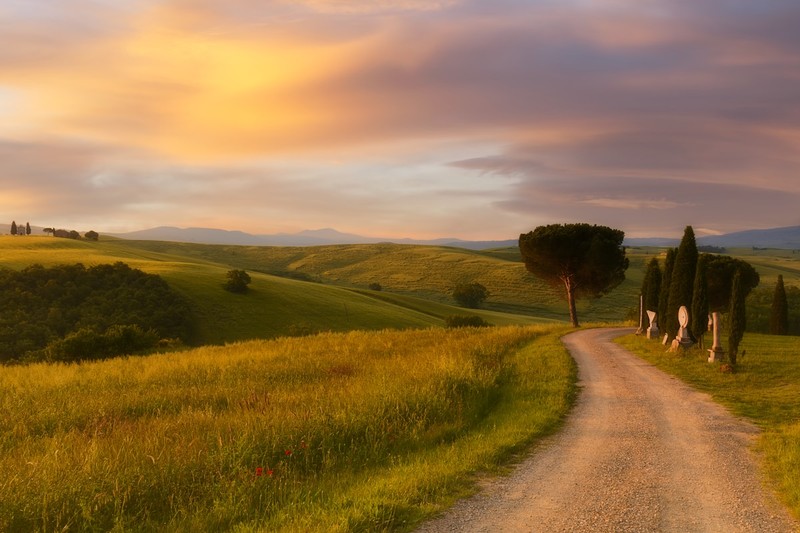
Tuscany gets the most attention, and for good reason. Rolling hills, rows of cypress trees, iconic farmhouses—especially around Val d’Orcia. The light softens up nicely at golden hour, particularly in May when the poppies come out. Expect company at popular spots like the Chapel of Madonna di Vitaleta, but early mornings and late afternoons help thin the crowd. Parking can be tight at viewpoints.
Umbria is like Tuscany’s quieter sibling. Green valleys, hilltop towns like Spoleto and Assisi, far fewer tourists. The light gets more dramatic after rain when the haze clears. Some of my best shots from this region came on misty autumn mornings.
Le Marche is the wildcard. Sweeping coastal views, rugged mountains, patchwork farmland—and barely any crowds. The catch is longer drives between locations, so plan for full days. Best shot I’ve had there: sunrise over the Sibillini Mountains with fog rolling through the valleys.
Dolomites are for mountain enthusiasts. Alpine peaks, dramatic cloud formations, reflective lakes. You’ll want a different kit—wide-angle lens and ND filters. Summer and early autumn work best; winter is good for snow but bring crampons for icy trails.
Cinque Terre is about coastal drama: colorful villages hanging off cliffs. Midday light is harsh, so aim for early morning or late afternoon. The hiking paths between towns offer unexpected compositions, but be ready for steep climbs.
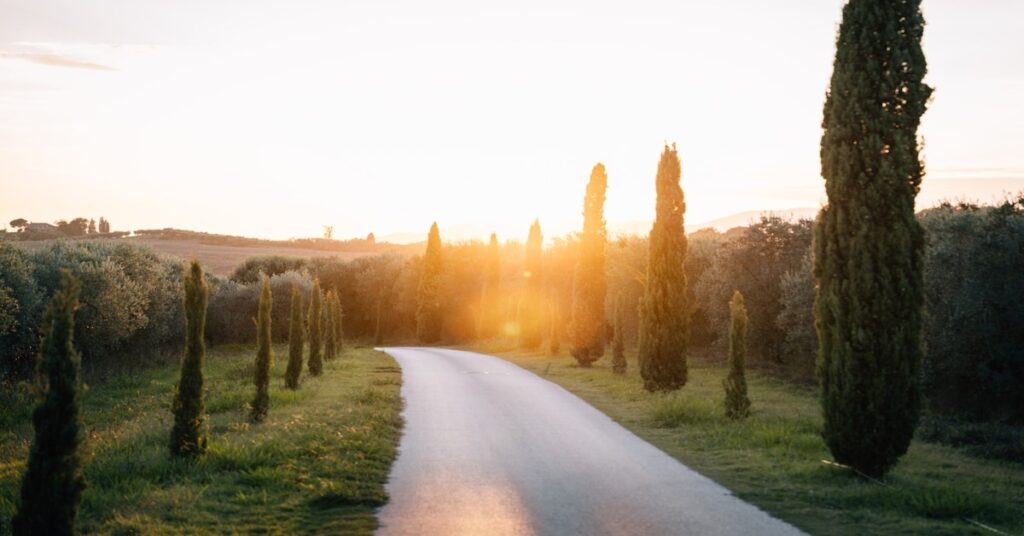
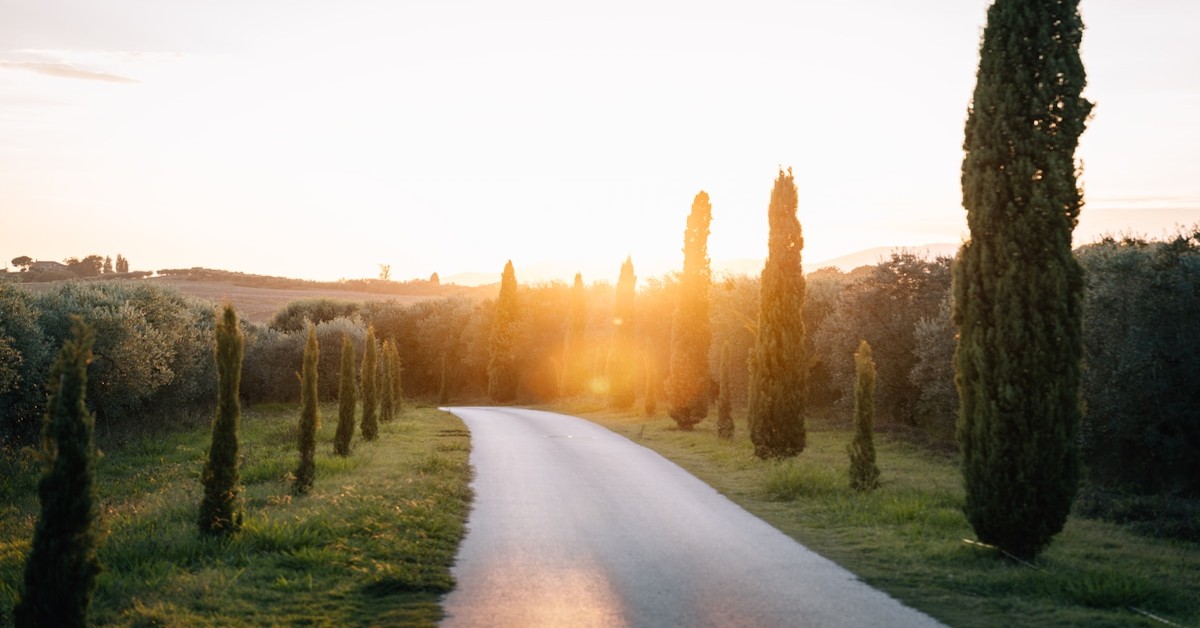
Val d’Orcia deserves its own mention—it’s really the heart of Tuscany. Cypress-lined roads, lone cypress trees, wheat fields. The best light comes just before sunset when the hills go gold and shadows stretch out. Combine this with a stop in Pienza for some architectural shots.
Essential Gear for Your Italy Photography Tour
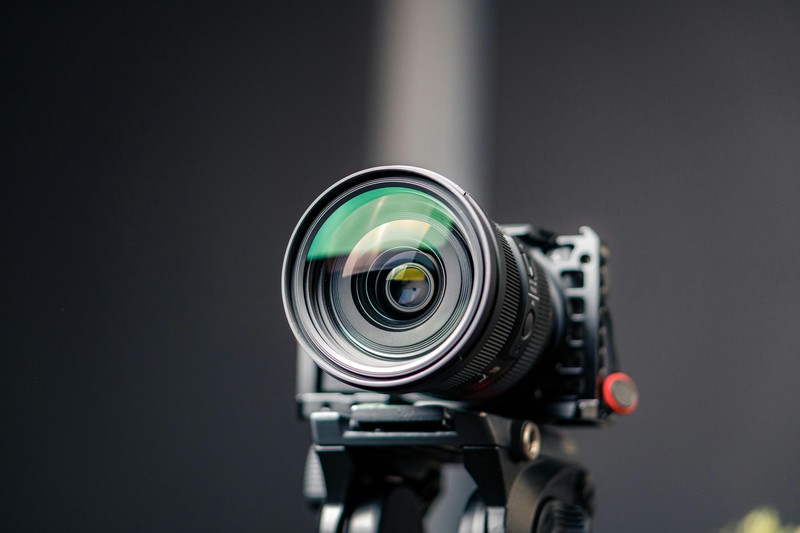
Your gear list depends on how you shoot, but some things are non-negotiable. Start with a sturdy tripod. I’ve watched too many people struggle with flimsy tripods on windy hills—carbon fiber is worth the extra cost. For lenses, a 24-70mm f/2.8 covers most scenes, but adding a 70-200mm f/4 helps compress the rolling hills and isolate distant farmhouses. A wide-angle like 16-35mm captures the scale of valleys or coastal cliffs.
Filters matter for Italy’s high-contrast scenes. A polarizer cuts glare from wet leaves and darkens skies—useful for those classic blue-sky-and-green-hills shots. A 3-stop or 6-stop ND filter lets you blur water or clouds at midday without blowing out the exposure. If you deal with harsh contrast on bright days, a quality ND filter set that fits your lens can save you in post-processing. Don’t forget a remote shutter release for sharp long exposures, especially at dawn when the light changes fast.
Backup storage is something people overlook. Carry at least two SD cards and a portable SSD (like the Samsung T7). I’ve shot dozens of landscapes only to find a card failed later—it happens. A cleaning kit handles the dust from rural drives, and a lightweight rain cover saved my gear during unexpected downpours in Umbria. Pack everything in a bag with a camera insert—it makes customs and cobblestone walks much easier.
When to Go: Timing Your Trip for the Best Light and Weather
Timing matters more than gear for an Italy landscape photography tour. Spring (April to June) gives you green hills, blooming poppies, and mild temperatures. The light angles are low, creating shadows that emphasize the rolling terrain. Autumn (September to November) brings harvest colors, golden fields, and foggy mornings in the valleys. Both seasons see fewer tourists than summer.
Summer (July to August) is the least ideal. Midday sun is harsh and flat, and the heat makes hiking uncomfortable. If you have to go in summer, restrict your shooting to golden hour—dawn and dusk—and use the middle of the day for scouting or editing.
Winter has its own appeal: snow on the Dolomites, bare vines, a soft low sun. But days are short and many agriturismos close down. Simple seasonal guide: March to May for poppies and green; June to August for coastal work; September to November for colors and mist; December to February for snow and solitude.
Planning Your Route: Key Locations and Logistics
A solid route saves you from wasting hours on narrow roads. Here’s a sample 7-day itinerary focusing on Tuscany, Umbria, and Le Marche:
Day 1: Arrive in Florence, drive to Val d’Orcia (1.5 hours). Base yourself near Pienza. Afternoon shoot: the iconic cypress avenue near San Quirico d’Orcia. Sunrise next morning: the grassy hill outside Pienza looking east.
Day 2: Val d’Orcia. Morning at the Chapel of Madonna di Vitaleta. Afternoon drive to Monticchiello for golden-hour shots across the hills. Evening light best around 7 PM in spring.
Day 3: Drive to Montepulciano (40 minutes). Explore the town for architecture, then head to the valley below for vineyard shots. Sunset from the viewpoint near Sant’Albino church.
Day 4: Enter Umbria—drive to Gubbio (1.5 hours). This medieval town sits on a dramatic hillside. Shoot from the valley floor at dawn, then hike up for panoramic views. Stay at an agriturismo nearby.
Day 5: Umbria—Assisi and Spoleto. Morning light on Assisi’s basilica. Afternoon at Spoleto’s aqueduct for a long exposure. Drive south toward Norcia for mountain scenery.
Day 6: Le Marche—Sibillini Mountains. Early start for sunrise in the National Park. The landscape here is rugged; bring hiking boots. Afternoon drive to the coast for sunset near Sirolo.
Day 7: Northern Marche or return to Florence. Optional: shoot the vineyards near Jesi before heading back.
Logistics: rent a small car (a Fiat Panda handles narrow roads well). Pack a printed map—phone signal drops in valleys. Most agriturismos have parking, but town centers require paid lots. Reserve accommodation ahead in spring and autumn; summer is easier for walk-ins.
Local Photography Tours and Guides: What to Look For
If you don’t want to plan your own route, a local guide can change things. Good guides know the light for each season—which hills catch first rays in March and which valleys fill with fog by October. Look for small group tours (max 6 people) that give you time to set up your tripod. One reliable operator is No Footprint Too Small, which offers tailored photography itineraries in Tuscany and Umbria. Watch out for tours that promise many locations in one day—those will leave you rushed. Also check if the guide is actually a photographer, not just a driver who knows the area. I’ve used local guides from Airbnb Experiences who were solid, but they can’t guarantee exclusivity. For a premium experience, book a dedicated private tour through something like Viator or GetYourGuide, where you control the pace. Expect to pay €200–€400 per day for a private guide, which includes transport and local knowledge.
Mistakes Photographers Commonly Make on Italian Tours
Let me spare you some frustration I learned the hard way.
1. Underestimating driving times. Italian roads are narrow and winding. A 50-kilometre drive can take 1.5 hours. Plan for it. Use Google Maps offline but double-check with a physical map—it’s saved me from dead ends.
2. Not scouting locations beforehand. You might think you can find the perfect cypress tree shot on the fly. Not really. I spent an hour one afternoon trying to recreate a famous angle only to realize it was a private vineyard. Use Google Earth and photo spots from Flickr or 500px to pre-select viewpoints. Also helps to ask locals.
3. Shooting only at midday. Italy’s summer sun creates harsh shadows. Your best shots come at golden hour—dawn and dusk. In spring, golden hour can last 90 minutes. Adjust your schedule around it.
4. Overpacking gear. I once carried three lenses, two bodies, and a drone. My back ached by day three, and I used only the 24-70mm and a ND filter most days. Pack a compact kit: one body, two lenses (wide and telephoto), tripod, filters, and backup storage. Leave the drone unless you’re in open countryside—many areas restrict them.
5. Ignoring filter use. Italy’s scenes often have high contrast—bright skies and dark shadows. A polarizer or ND filter balances exposure and saves time in post-processing. I’ve watched photographers struggle with blown-out skies when a simple filter would have fixed it.
6. Failing to respect private property. Many of those dreamy hilltop farmhouses are private homes. Don’t trespass. Ask permission or stick to public roads. I’ve had farmers politely tell me to leave, and it’s not pleasant.
7. Not checking the forecast. A clear blue sky can get boring for landscape photography. Overcast days with dramatic clouds work better. Use apps like Windy or AccuWeather to check conditions. A little fog or mist adds depth to hills.
Best Photography Spots Near Agriturismo Baccole
If you’re staying at Agriturismo Baccole, you’re well placed for some of Italy’s best landscapes. Here are nearby locations:
Val d’Orcia (15 minutes by car): The famous cypress avenue near San Quirico d’Orcia is a must. Shoot at sunrise when the light hits the trees from the side. Try a lower angle to emphasize the rows.
Crete Senesi (20 minutes east): These clay hills have a lunar feel with their grey-green ridges. Best after rain when the earth gains texture. Use a polarizer to enhance color. The viewpoint near the village of Asciano offers a classic panorama.
Monte Amiata (30 minutes south): An ancient volcano with forested slopes. For landscape photos, hike to the summit for 360-degree views over Tuscany. Bring a wide-angle lens. The golden hour here is stunning, but be prepared for cooler temperatures at the top.
Pienza (10 minutes north): The town itself is photogenic, especially the cathedral and its surrounding walls. But the best shots are from the hilltop park overlooking the valley—ideal for sunrise.
Sant’Albino Church (5 minutes from Baccole): This small church sits on a hill with a lone cypress tree. It’s a classic composition—try it at sunset when the sky turns pink. Minimal editing needed.
Packing Light: Camera Gear vs. Travel Comfort
Italy’s cobblestone streets, narrow stairs, and old doorways don’t work well with a heavy bag. I’ve learned to travel light. For a week-long trip, my kit is: one camera body (mirrorless saves a lot on weight), a 24-105mm f/4 lens for flexibility, a 70-200mm f/4 for compression, a carbon-fibre tripod, a 3-stop ND filter, a polarizer, three batteries, chargers, six SD cards (128GB each), and a portable SSD. That all fits in a 20L bag with a camera insert.
If you’re hiking in the Dolomites or Le Marche, pack a smaller bag—I use a Peak Design Everyday Sling. For city walks, a small backpack with a built-in sleeve works better. The key is to distribute weight: use a hip belt if you’re carrying a tripod. And don’t forget a packable rain cover—just in case. A simple packable rain cover can save your gear during a sudden downpour.
Post-Processing Tips for Italian Landscape Photos
Once you’re home, editing can bring out the best in your shots. For Italy’s landscapes, focus on two things: dynamic range and color temperature. Adjust highlights and shadows—in Tuscany, skies are often bright, so pull down highlights to reveal clouds. Boost shadows carefully to avoid noise. Next, set white balance to 5500–6000K for warm golden tones, but keep it natural—don’t overdo the warmth. Adjust contrast to add depth to hills. Use a mask to darken the sky slightly, which draws the eye to the land.
I use Lightroom Classic for its collection tools. For sharper details, Capture One is better. Apply a slight amount of sharpening (amount 50, radius 1.0) for fine textures like grass and stone. Avoid oversharpening—it creates halos. For a quick look, try a preset like “Tuscany Gold” from RNI Films, but adjust to taste. The goal is to enhance, not fake.
Estimated Costs and How to Budget Your Tour
A week-long Italy landscape photography tour can range from €1,500 to €4,000 depending on your choices. Here’s a realistic breakdown:
- Guided tours: €150–€400 per day. Private guides cost more, but they offer tailored itineraries. Group tours (like those on Viator) start at €100 per person.
- Accommodation: €80–€200 per night. Agriturismos (like Agriturismo Baccole) range €100–€150. Budget hotels in villages run €80–€120. Stay in a farmhouse for the best morning light.
- Car rental: €40–€80 per day for a compact car. Add fuel (€1.60/litre) and tolls (€20–€40 total). Driving is cheaper than trains if you’re covering multiple regions.
- Meals: €30–€60 per day. A simple lunch at a café costs €15; dinner at a trattoria €25. Save by cooking at an agriturismo with kitchen facilities.
Sample weekly budget: guided tour (3 days x €200 = €600), accommodation (7 nights x €120 = €840), car rental (7 days x €60 = €420), fuel and tolls (€100), meals (€200), total €2,160. Off-season? Subtract 15–20% for lower rates. To save, drive yourself, choose an agriturismo with a kitchen, and avoid peak summer months.
Final Checklist: Before You Go
Run through this before you leave:
- Passport and visa: Valid for 6 months beyond your stay. EU citizens don’t need a visa for 90 days.
- International driver’s permit: Required for renting a car in Italy. Get it from your local automobile club.
- Travel insurance covering gear: Covers theft, damage, and delay. Read the fine print for maximum payout.
- Backup batteries and memory cards: Bring at least 3 batteries and 6 cards. Italy has electronics shops but rarely camera-specific ones in rural areas.
- Printed maps or offline GPS: Google Maps offline works, but a Michelin map helps with narrow roads. Download offline layers before you go.
- Lightweight rain cover: For you and your bag. A sudden downpour can soak your gear in minutes.
The best photos come from preparation. Book a stay at Agriturismo Baccole as your base—it’s central to Val d’Orcia, Crete Senesi, and Montepulciano. You’ll have a roof over your head, a kitchen for cooking, and the morning light rolling through open fields. Reserve your spot now and start planning your shot list.