Introduction
Foraging for wild mushrooms and herbs in the Italian Alps sticks with you. Not because it’s glamorous — it isn’t — but because it connects you to the land in a way that few other activities can. If you’re here researching mushroom foraging italy alps, you’re likely past the daydream stage and into the planning phase. Good. That’s exactly where this guide comes in.
I’ve spent parts of several autumns and late summers in the valleys of Trentino and Lombardy, learning from local foragers who’ve been doing this for decades. This guide covers what you actually need to know: the legal side, the timing, the gear, the safety, and the practical logistics. There’s no fluff here. Just the kind of grounded advice that helps you walk into the forest with confidence.
Let’s start with why this region is worth your time.
Related: Best Italy Navigation Apps: How to Navigate Rural Roads and Find Farm-Stays | The Complete Agriturismo Le Marche Guide: Vineyards, Sunflowers ‘ Where to Stay | Agriturismo Safety Tips: Staying Safe on a Working Farm in Italy
Why the Italian Alps Are Ideal for Mushroom and Herb Foraging
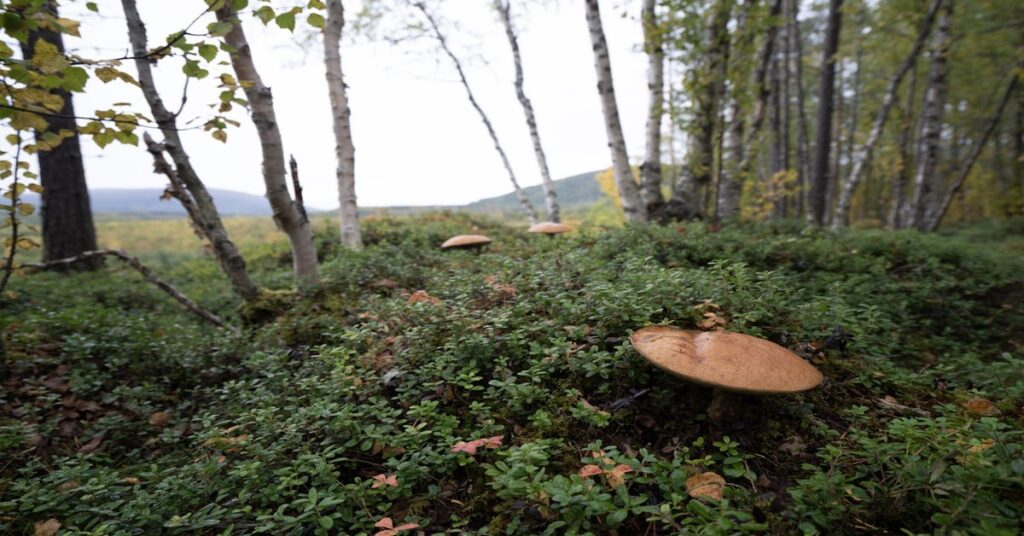
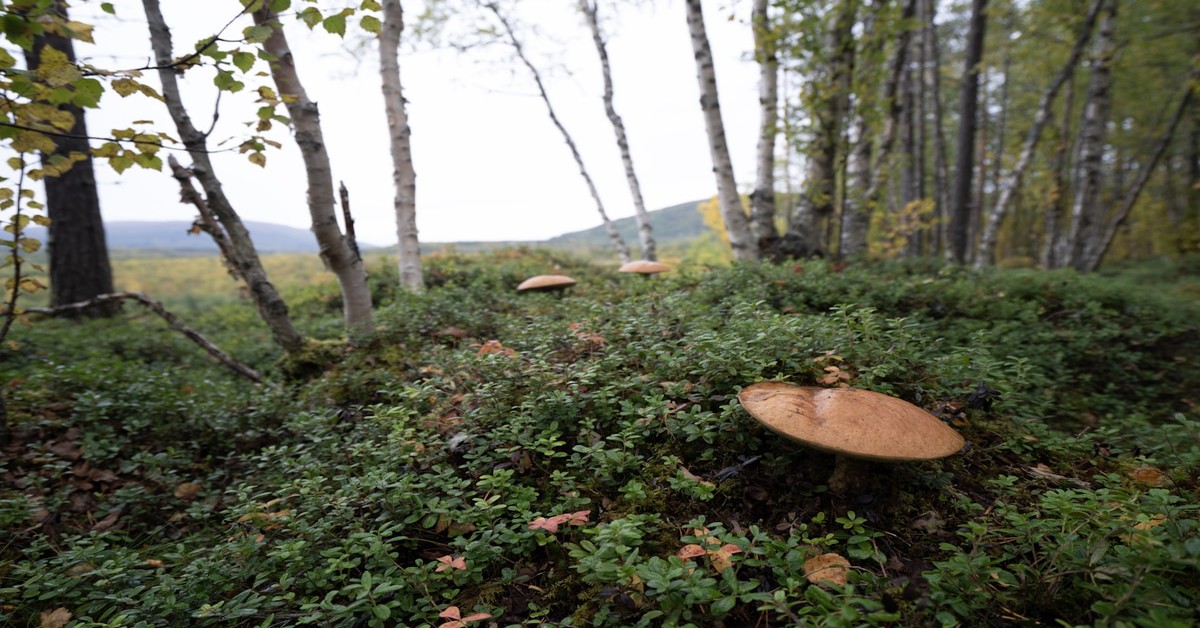
The Italian Alps offer a rare combination of altitude, forest diversity, and microclimate that makes them exceptionally productive for foraging. You’re looking at beech and fir forests at lower elevations, larch and pine higher up, and a rich understory of moss, ferns, and wild herbs. Each forest type supports different species.
In these woods, porcini (Boletus edulis) are the main prize — meaty, aromatic, and highly sought after. But you’ll also find chanterelles (Cantharellus cibarius) in the mossy sections, hedgehog mushrooms (Hydnum repandum) under beeches, and black trumpets (Craterellus cornucopioides) in the deeper, darker parts of the forest. For herbs, wild garlic (Allium ursinum) carpets the forest floor in spring, nettles (Urtica dioica) thrive in disturbed areas, and wild thyme (Thymus serpyllum) grows on sunny, rocky slopes at altitude.
The altitude itself plays a role. Lower valleys (600–1000m) heat up faster in spring, pushing early growth. Higher forests (1000–1600m) stay cooler and produce later harvests. This means you can often find something in season from April through October if you move vertically. It’s not magic — it’s just good geography.
When to Go: Seasonal Timing for the Best Harvests
Timing is everything in foraging. Show up a week too early, and you’ll find nothing but damp soil. A week too late, and the slugs and insects have beaten you to it. Here’s a month-by-month breakdown for the Italian Alps.
April to May: Wild garlic and morels (Morchella spp.) appear in the lower valleys. Morels are unpredictable and site-specific; they often grow in disturbed areas like old burn sites or along riverbanks. Wild garlic is easier — just follow your nose.
June to August: Summer porcini start appearing in the higher beech forests, especially after warm rain. Chanterelles also come into season. This is a good window for less experienced foragers because the weather is reliable, and the forest floor is visible. Herbs like nettles are still tender enough for cooking.
September to October: This is the main event. Autumn porcini are larger, firmer, and more abundant. Hedgehog mushrooms and black trumpets peak during this period. The cooler temperatures slow spoilage, giving you more time to process what you find. This is also the season when local foragers are most active, so you’ll see more competition for the best spots.
Elevation matters more than the calendar. A good rule of thumb: add one week of delay for every 200 meters of altitude gain. So if morels are out in the valley at 600m in mid-April, they’ll appear at 1000m closer to May. Check soil temperature (10–15°C is ideal for most mushrooms) and recent rainfall (3–5 days after rain is the sweet spot).
Understanding Italian Foraging Laws and Permits
This is the part most tourists skip, and it’s the one that gets them into trouble. Italy takes foraging seriously. You cannot simply walk into a forest and start picking. In the Alpine regions — Trentino-Alto Adige, Lombardy, Veneto — you need a permit, and the rules vary by province.
In Trentino, for example, a daily permit costs around €10–15, and you’re limited to 1 kg per day for personal use (2 kg if you’re a resident). You must carry the permit with you, and you’re required to use a wicker basket or mesh bag — plastic bags are illegal because they trap moisture and spoil the mushrooms. Fines for picking without a permit start at €100 and can go higher depending on the quantity.
You can usually buy permits from local tourist offices, some forest stations, or online through provincial websites. In popular valleys like Val di Sole or Val Gardena, permits are often available at the local forestry office or even at some agriturismi. I recommend buying one online a few days before your trip to avoid lines.
Also worth noting: you’re not allowed to sell what you pick. The permit is strictly for personal consumption. And you must brush off your harvest on-site — no transporting dirty mushrooms out of the forest. It’s not bureaucratic nonsense; it’s a system designed to keep the forests healthy and accessible for everyone.
Essential Gear for a Safe and Productive Forage
You don’t need much, but what you bring matters. Here’s what I pack every time.
- Wicker basket or mesh bag: This is non-negotiable. A basket allows spores to fall through as you walk, which helps regenerate the forest. Mesh bags work similarly. Both keep mushrooms ventilated. Plastic bags rot your harvest within hours. Travelers who plan to forage more than once may appreciate foldable mesh bags for foraging that pack flat.
- Foraging knife: A curved blade with a brush on the back is ideal. You’ll use it to cut mushrooms at the stem (don’t pull them out — it damages the mycelium). The brush helps clean off dirt and pine needles on-site. A decent one costs around $15–20 and lasts years. Curved foraging knives with a brush are a practical choice.
- Field guide: I carry a small, waterproof guide specific to the Alps. The “Mushrooms of the Alps” pocket guide is a reliable choice, but any regional guide works. If you need a starting point, mushroom field guides for the Alps with clear photographs are widely available.
- Sturdy boots: The terrain is uneven, wet, and often steep. Waterproof boots with good ankle support are essential. Your running shoes will not cut it.
- Layered clothing: Alpine weather changes fast. I wear a moisture-wicking base layer, a fleece mid-layer, and a waterproof shell. A hat and gloves are smart even in summer at higher elevations.
- GPS or offline maps: Cell reception is unreliable in the forests. I use an offline maps app on my phone and carry a small power bank. A dedicated handheld GPS is overkill unless you’re going deep into remote valleys.
- First-aid kit: At minimum, carry blister plasters, antiseptic wipes, and a bandage. You’re in the woods, and cuts happen.
How to Identify the Most Common Edible Mushrooms and Herbs
This is not a substitute for expert identification. Use it as a starting point, then cross-reference with a field guide, an app, or — ideally — a local forager. Never eat anything you’re not 100% certain about.
Porcini (Boletus edulis): The king of the Alps. Cap is brown, rounded, and feels slightly greasy when wet. The stem is thick and bulging at the base, usually white or beige with a fine net pattern. Pores under the cap are white in young specimens, turning yellow-green as they age. The flesh is white and does not bruise blue. Look for them under beech, spruce, and fir in well-drained soil. Look-alike to avoid: The bitter bolete (Tylopilus felleus) has a similar shape but pink pores and an intensely bitter taste.
Chanterelles (Cantharellus cibarius): Bright yellow-orange, funnel-shaped, with wavy caps and false gills that run partway down the stem. The smell is fruity, like apricots. They grow in mossy areas under conifers and hardwoods. Look-alike to avoid: The false chanterelle (Hygrophoropsis aurantiaca) has real gills and is more orange than yellow. It’s not deadly, but it can cause digestive upset.
Hedgehog mushroom (Hydnum repandum): White to pale orange cap with a distinctive feature: instead of gills, it has soft, tooth-like spines underneath. This makes it one of the safest identification choices because no toxic look-alike shares that feature. It has a firm texture and a pleasant nutty taste. Found under beeches and conifers.
Wild garlic (Allium ursinum): Broad, bright green leaves that smell strongly of garlic when crushed. They grow in dense patches on the forest floor, often near streams. The white, star-shaped flowers appear in late spring. Look-alike to avoid: Lily of the valley (Convallaria majalis) and arum (Arum maculatum) are both poisonous. The key difference: wild garlic has a strong garlic smell; the others do not. Rub a leaf — if it doesn’t smell like garlic, leave it.
Nettles (Urtica dioica): Everyone knows them — those stinging leaves that grow along paths and disturbed areas. Harvest the top few centimeters of young shoots in spring. They lose their sting once cooked. Wear gloves when picking.
Dangerous Look-Alikes Every Forager Should Know
One mistake is all it takes. The Alps have several deadly species that share habitats with prized edibles. Here are the ones you need to know.
False chanterelle (Hygrophoropsis aurantiaca): It mimics the chanterelle’s color and shape, but it has true gills (not false gills) and a thinner, more brittle texture. The real chanterelle has blunt, forked ridges that look like wrinkles, not blade-like gills. If you’re unsure, split the stem — chanterelles have a solid core; false chanterelles are hollow in the center.
Death cap (Amanita phalloides): This one is not a chanterelle look-alike, but it’s found in similar forests and gets picked by mistake. It’s pale yellowish-green with a white stem and a hood-like skirt. It’s responsible for the majority of mushroom poisoning deaths worldwide. The rule is simple: if you see a mushroom with a skirt, a bulbous base, and greenish tones, leave it alone. No exceptions.
Webcaps (Cortinarius species): Several webcaps are deadly, particularly Cortinarius rubellus and Cortinarius orellanus. They’re brownish, with a stem that shows a cobweb-like ring (the cortina) in young specimens. They can be confused with some edible species, but the cobweb texture is distinctive. If you see it, move on.
Lily of the valley vs. wild garlic: Already covered above, but worth repeating: sniff every leaf. Garlic smell is unmistakable. If there’s no smell, it’s not wild garlic.
The Best Alpine Valleys and Forests for Foraging
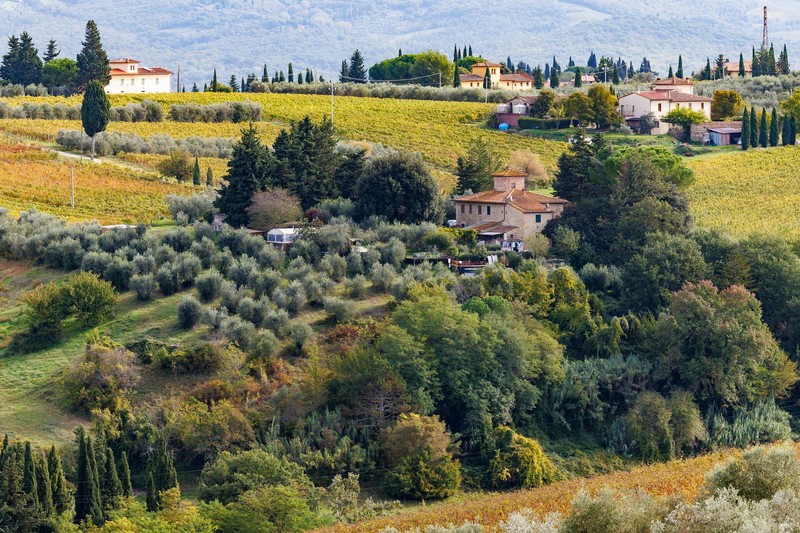
Let’s talk specific locations. These are publicly accessible areas I’ve visited or researched thoroughly. They’re not secret spots — they’re well-known foraging zones for locals, which means they’re accessible and productive if you know what you’re doing.
Val di Sole (Trentino): This valley has extensive beech and fir forests between 800 and 1500 meters. The trail network is excellent, and permits are easy to obtain from the local forestry office in Malè. Expect porcini in late summer and autumn, plus chanterelles and hedgehogs. Parking is available at trailheads in Mostizzolo and Dimaro.
Val Gardena (South Tyrol): Higher and drier than Val di Sole, with more larch and pine. Good for porcini in years with enough rain, but the harvest is less consistent. The forests around Selva and Ortisei are worth exploring. Permits are available in the tourist offices. The terrain is steeper here, so bring good boots.
Val d’Aosta: This region is less densely forested than Trentino, but the valleys around Champoluc and Cogne have productive patches of beech and mixed woodland. The altitude is higher, so the season starts later — September through October is peak. Permits are required and costs vary by commune.
Adamello-Brenta Nature Park (Trentino): This protected area has rich forests and strict foraging rules. Permits are issued by the park authority, and the daily limit is 1 kg. The terrain is rugged but rewarding. I’ve had good luck in the Val di Genova and Val Rendena sections. The park office in Tione di Trento can help with permits and maps.
What to Do With Your Harvest: Cleaning, Storing, and Cooking Basics
You’ve found your mushrooms and herbs. Now what? The goal is to preserve their quality from forest to table.
Clean on-site: Use your knife’s brush to remove dirt and pine needles. Trim off any damaged parts. Do not wash them until right before cooking — moisture accelerates spoilage. Mushrooms are like sponges; water ruins their texture.
Store for travel: Layer your harvest in a paper bag or in a basket lined with a clean cloth. If you’re driving back, keep the bag in a cooler (not on ice — just cool air). Avoid airtight containers. Mushrooms need to breathe. Herbs should be wrapped in a damp paper towel and kept cool.
Drying: This is the most practical method for long-term storage. Slice porcini into 5mm slices and lay them on a drying rack in a warm, airy room, or use a dehydrator at 40°C. Dried mushrooms reconstitute beautifully in soups, risottos, and broths. For those who plan to forage more than once, a food dehydrator for mushrooms is worth considering.
Freezing: Sauté mushrooms in butter or olive oil until the moisture evaporates, then freeze them in portion-sized bags. They’ll keep for six months. Don’t freeze raw mushrooms — they turn to mush.
Simple cooking idea: Porcini risotto. Sauté sliced fresh porcini in butter with garlic and a sprig of thyme. Add arborio rice and cook slowly with warm broth. Stir in Parmesan at the end. That’s it. The mushrooms do the work.
Mistakes Beginners Make (And How to Avoid Them)
I’ve seen the same patterns year after year. Here’s what to watch out for.
- Picking too much: Beginners get excited and fill a basket with every decent-looking mushroom. But you can’t eat 5 kg of porcini before they spoil, and you can’t dry everything at once. Pick what you can process within a few days. Leave the rest for the forest.
- Ignoring permits: I know it feels like a bureaucratic hassle. But forest guards do patrol, and fines are real. A €10 permit is cheap insurance.
- Going without a guide the first time: The Alps are not a manicured park. There are steep drops, sudden weather shifts, and true wilderness. A local guide saves you from making dangerous mistakes. Booking a guided tour is the smartest move for first-timers.
- Relying solely on apps: Mushroom identification apps are good for suggestions, but they’re not reliable enough for eating. Misidentification rates are high even with the best apps. Cross-reference everything.
- Not checking the weather forecast: A sunny morning can turn into an afternoon thunderstorm. Check the forecast before you leave, and bring rain gear regardless.
- Not telling someone your route: This is basic hiking safety. Let someone know where you’re going and when you’ll be back. Cell coverage is spotty in the valleys.
Should You Join a Guided Foraging Tour or Go Solo?
This depends on your experience, confidence, and risk tolerance. Here’s how I break it down.
Guided tours: Best for first-timers, anyone unfamiliar with the Alps, or foragers who don’t speak Italian. A guide handles the permit, knows the productive zones, and can show you exactly what to look for. You also get the safety of a group. The downsides: you pay for it, and you lose some flexibility. Tours typically cost €50–100 per person for a half-day.
Solo foraging: Best for experienced foragers with good local knowledge and at least basic Italian (for reading signs and talking to locals). You set your own pace, choose your own spots, and keep everything you find. The tradeoff is higher risk and more responsibility. You also need to handle your own permits, navigation, and safety.
My take: If this is your first time in the Alps, start with a guide. Learn the terrain and the species, then go solo on subsequent trips. You’ll get more out of the experience and avoid the common pitfalls.
How to Pair Your Foraging Trip with a Stay Near the Alps
Foraging is a morning-to-early-afternoon activity. You’ll be in the forest by sunrise and back by lunch. That leaves the rest of the day for relaxation, cooking, and exploring. Where you stay matters.
A self-catering apartment or a farm stay with a kitchen is ideal. You need a stove, a sink, and a place to lay out your harvest. Agriturismi (working farm stays) often offer this setup, along with the benefit of being close to good foraging grounds. Plus, the hosts can usually point you toward local forest paths that aren’t on any map.
If you’re near Val di Sole or Val Gardena, Agriturismo Baccole is worth considering. It sits among vineyards and orchards, with comfortable rooms and a kitchen ready for your finds. You can spend the morning foraging, the afternoon cooking, and the evening eating on the terrace. It’s that simple.
Final Tips for a Successful Foraging Adventure in the Italian Alps
Five things to remember as you plan your trip.
- Get a permit. It’s cheap, legal, and respectful.
- Use a basket. It’s not a tradition — it’s practical. Spores spread, mushrooms breathe.
- Identify carefully. When in doubt, leave it out. No mushroom is worth a hospital stay.
- Start with a guide. For the first trip, let someone experienced show you the ropes.
- Respect the forest. Take what you’ll use. Leave the rest. Pack out your trash.
The Italian Alps have been feeding foragers for centuries. With the right preparation, you can be part of that tradition. Ready to explore the Alpine forests? Start planning your foraging trip with a stay at Agriturismo Baccole.