
Introduction
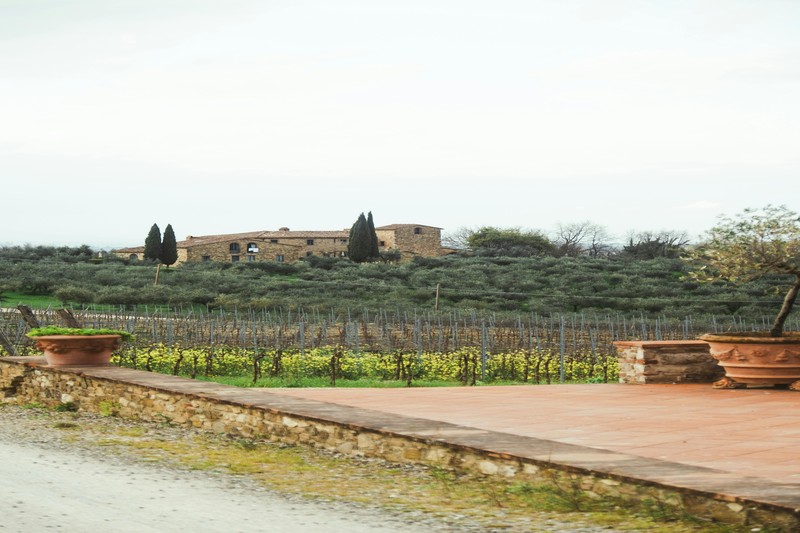
You’ve booked a farm-stay in the Tuscan hills or a rustic agriturismo in Umbria. Now the real test begins: finding it. Rural Italy is full of winding lanes, crumbling farm tracks, and addresses that are more of a suggestion than a destination. Standard navigation apps often fail here, leading you down paths meant for tractors or delivering you to a locked gate with no signal. This article compares the best Italy navigation apps and booking tools designed for independent travelers, slow travel enthusiasts, and anyone seeking authentic agriturismi. We cut through the hype and give you the practical tools to arrive stress-free.
I’ve tested several options in this space, and here’s what actually matters in practice.

Why Standard GPS Apps Fail on Rural Italian Roads
You open Google Maps in Florence, and it works perfectly. Two hours later, as you wind through the Chianti region, the app suddenly routes you onto a road that is more dirt path than paved lane. You lose signal in a valley. The pin for your farm-stay is a hundred meters from the actual entrance. These are not bugs—they are features of apps designed for cities and highways.
Related: Choosing the Right Region: Where to Stay for Your First Visit | Traveling Italy by Train: How to Reach Farm-Stays Without a Car | What is an Agriturismo? Italy’s Unique Farm-Stay Explained
The root issues are straightforward. Rural Italy has thousands of tiny, unmapped roads that change with the seasons. Data coverage is spotty in valleys and near forests. Many agriturismi are registered with approximate GPS coordinates, often pointing to a nearby village or the main road rather than the actual driveway. Waze relies on user reports, which are sparse outside of urban centers. Google Maps sometimes treats farm tracks as drivable roads, leading to tense moments in a rental car. Offline maps can be outdated, missing recent changes to one-way systems or new roundabouts. For these reasons, a dedicated approach to navigation is a necessity, not a luxury.
What to Look for in a Navigation App for Italian Countryside
Before we dive into specific apps, let’s establish the criteria that matter most for navigating rural Italy:
- Offline map availability: You must be able to download entire regions before you leave Wi-Fi.
- Accurate rural road data: The app should distinguish between paved roads, gravel tracks, and pedestrian paths.
- Reliable address lookup: Farm-stays often have fractional addresses (e.g., “Località San Giorgio, 52”). The app must handle these.
- Traffic avoidance on small roads: You want to avoid getting routed through a town festival or a farmer’s yard.
- Speed camera and hazard alerts: These are helpful for both safety and avoiding fines in unfamiliar zones.
- Integration with booking platforms: The ability to open directions directly from your booking confirmation is a time-saver.
With these criteria in mind, here is the breakdown of the top contenders.
1. Google Maps – The Reliable All-Rounder (with Rural Caveats)
Google Maps is the default for a reason. Its offline download feature is robust—you can save large chunks of Italy to your phone. Its Points of Interest (POI) database is unmatched, so you can find fuel stations, grocery stores, and even enotecas near your farm-stay. It offers accurate estimated drive times and integrates smoothly with email confirmations for your accommodation.
Where it struggles: In the final mile to your agriturismo, Google Maps may route you through an impassable farm track or a one-lane road with no passing points. The offline mode can also be finicky when you lose and regain signal, sometimes recalculating a different route. For initial planning and city approaches, it is excellent. For the last kilometer, proceed with caution.
Best for: General trip planning, finding nearby services, and as a reliable backup. For a seamless data experience, consider a dedicated Italy travel eSIM that keeps you online even in weak signal zones.
2. Waze – Real-Time Traffic but Limited Coverage
Waze excels at one thing: real-time traffic rerouting. If you are driving from Florence to a farm-stay near Siena during rush hour or a holiday weekend, Waze will find the quickest route through back roads. Its community-driven hazard alerts (police, potholes, stopped vehicles) are useful for longer highway drives.
Where it fails: Waze is nearly useless offline. It requires a constant data connection to function. On small rural roads, its map data is thinner, and it may not recognize a dead-end road or a private drive. The app is designed for commuters, not for finding a remote Masseria in Puglia. Use it for the first part of your journey, then switch to a more capable offline app for the final approach.
Best for: Urban approaches and highway driving. If you plan to keep your phone visible, a reliable car phone mount is essential for safety.
3. HERE WeGo – The Offline Champion for Remote Areas
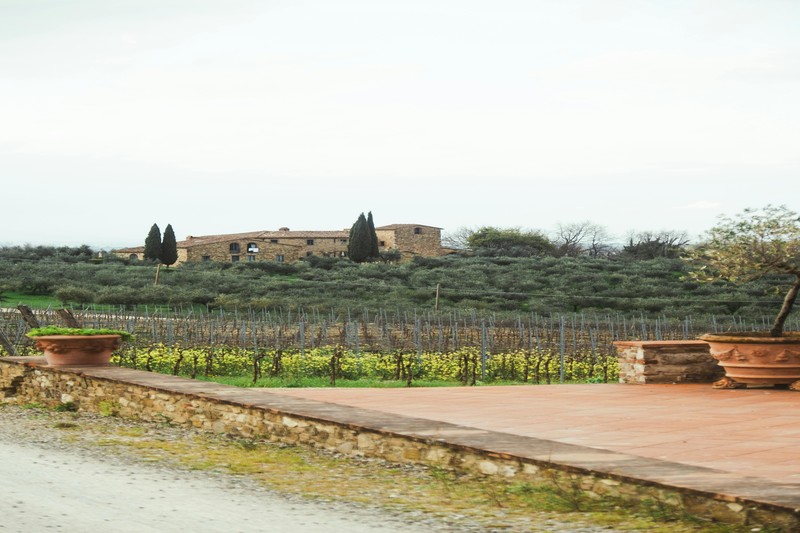
HERE WeGo is the unsung hero for rural driving in Italy. It was built on professional-grade map data used by the automotive industry, and it shows. The offline maps are extensive, fast, and updated frequently. You can download an entire country or specific regions. The turn-by-turn voice guidance works flawlessly without a data connection. More importantly, HERE WeGo handles fractional and rural addresses better than most competitors. It also provides clear lane guidance and exit numbers, which is helpful when navigating complex Italian interchanges.
Where it excels: For driving through the winding roads of Le Marche, Abruzzo, or the inland areas of Sicily, HERE WeGo is the most reliable option. It rarely routes you onto non-existent roads. The interface is clean and unintimidating. For drivers relying on cheap data plans or no plan at all, it is the only app you need.
Best for: Travelers who want guaranteed navigation without internet. To keep your device charged during long drives, a high-speed portable car charger is a smart investment.
4. Maps.me – Lightweight Offline Maps for Walking and Driving
Maps.me is a free, open-source app built on OpenStreetMap data. It is extremely lightweight, fast, and offers excellent offline functionality. It is particularly strong for pedestrian navigation and short-distance driving to farm-stays. Its map data is community-edited, so many rural paths, hiking trails, and small agriturismo access roads are included that other apps miss.
Where it falls short: For long-distance navigation, Maps.me can be less reliable. It may suggest a shorter route that involves a steep, unpaved pass unsuitable for a rental car. It also lacks real-time traffic data and advanced features like speed camera warnings. Use it as a complement to a primary app, especially for the final leg of your journey or for exploring on foot near your farm-stay.
Best for: Hikers, cyclists, and drivers needing a quick offline check for short distances.
5. Sygic GPS Navigation – Premium Features for Serious Drivers
Sygic is a premium paid app that justifies its cost for frequent travelers renting cars in rural Italy. It offers high-quality offline maps from TomTom, real-time traffic via your data connection, and a comprehensive suite of advanced features. These include lane guidance, speed camera alerts, and even dashcam integration. The app is designed for daily driving, offering a polished and reliable experience.
Where it excels: For drivers who want a worry-free experience, Sygic is hard to beat. It handles rural road routing intelligently, avoiding unsuitable paths. The speed camera alerts are updated frequently and are a genuine help in unfamiliar zones. The offline navigation is seamless, with no loading delays. The trade-off is the upfront cost, but for peace of mind on long trips, it can be money well spent.
Best for: Travelers renting cars and driving significant distances in rural areas. Consider investing in a travel insurance policy covering car rental to complement your driving plans.
Something I noticed right away: the more expensive option isn’t always the better fit.
Comparison Table: Best Italy Navigation Apps at a Glance
| App | Offline Capability | Rural Accuracy | Cost | Best Use Case |
|---|---|---|---|---|
| Google Maps | Excellent (downloadable regions) | Good (with rural caveats) | Free | General planning & city driving |
| Waze | Poor (requires data) | Fair (best on highways) | Free | Urban approach & traffic avoidance |
| HERE WeGo | Excellent (full offline navigation) | Very High (best for remote areas) | Free | Primary rural navigation without data |
| Maps.me | Excellent (lightweight & fast) | High (good for walking/hiking) | Free | Short drives & pedestrian exploration |
| Sygic GPS Navigation | Excellent (professional-grade) | Very High (with advanced features) | Paid | Serious drivers wanting reliability |
For the budget traveler, HERE WeGo is the best free choice. For the frequent driver, Sygic offers premium value. As a simple backup, Google Maps is sufficient.
Best Apps for Finding Authentic Farm-Stays and Agriturismi
Navigation is half the battle. The other half is finding the right place to stay. You have several excellent options for booking authentic farm-stays, each with a different flavor.
- Agriturismo.it: This is the king of dedicated agriturismo booking. It has the largest selection of certified Italian farm-stays, from working wine estates to olive farms with cottages. The search filters are excellent, allowing you to search by region, activity, and even specific agricultural products. It is the most authentic source.
- Booking.com: Use the “Farm Stay” filter under property type. The selection is broad, but authenticity varies. You can read reviews and compare prices across many properties. It is a reliable fallback, especially if you are combining farm-stays with other types of accommodation.
- Airbnb: Look for the “Farm stay” category or use keywords like “agriturismo” or “podere” in the search. The advantage here is direct communication with hosts and often unique, non-certified farmhouses. Le Marche and Tuscany have many hidden gems on Airbnb.
- Farmstay Planet: This niche platform focuses exclusively on farm-stays worldwide. While its Italian selection is smaller than Agriturismo.it, it offers a curated, international perspective and often includes longer-stay discounts. It is worth a look for a different selection.
Each platform has its strengths. Agriturismo.it is your best bet for a truly authentic, certified Italian experience. For price comparison and flexibility, Booking.com and Airbnb are excellent alternatives. Check current rates and book your farm-stay today on Booking.com.
How to Combine Navigation and Booking Apps for a Seamless Trip
The magic happens when you use these tools together. Here is a practical workflow that will save you time and stress:
- Find and book your farm-stay using Agriturismo.it or your preferred platform. Note the exact full address, including the “Località” (locality) if provided.
- Download offline maps for the entire region of your stay, plus a buffer zone of at least 50km. Use HERE WeGo for primary navigation and Google Maps as a backup.
- Copy the address into your navigation app before you leave the booking platform. If the address is vague (e.g., “Via della Fonte, 12”), search for the agriturismo’s name directly.
- Save the exact pin location if the property has provided GPS coordinates. This is often the most reliable method for rural addresses.
- Download the property’s contact information (phone number, WhatsApp) so you can call them on arrival if needed. Many agriturismi expect this call to guide you through the final gate.
A real-world example: You book a Masseria in Puglia via Agriturismo.it. You save the GPS coordinates to your HERE WeGo app. You download offline maps for the entire Salento peninsula. On the day of arrival, you use Waze to navigate from Bari airport to the nearest town. Then you switch to HERE WeGo for the final, winding drive to the gate. Preparation makes the process seamless.
Common Mistakes to Avoid When Navigating to an Agriturismo
I have made these mistakes, and I want you to avoid them.
- Not downloading offline maps before you arrive. Rural Italy has dead zones in the most beautiful valleys. If you arrive with no offline maps, you may spend an hour searching for signal. Always download maps before you leave the airport or your hotel.
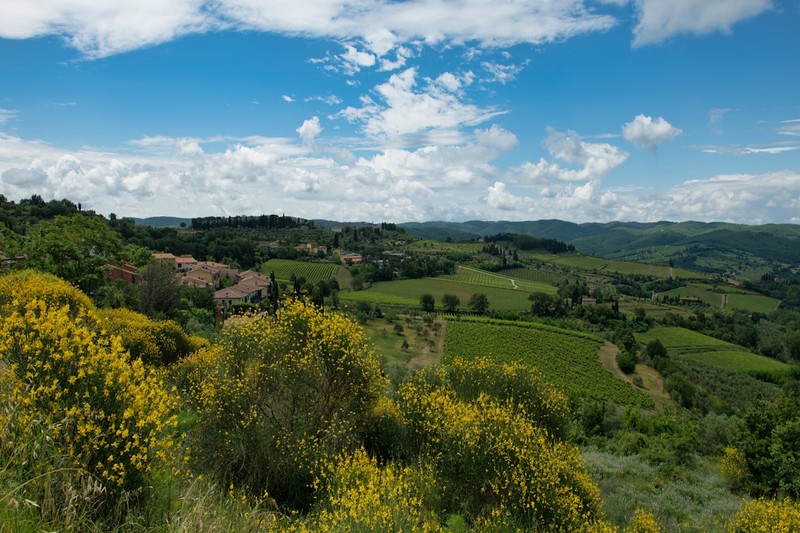
- Assuming street addresses are reliable. Many farm-stays have a postal address that points to a nearby village, not the actual building. Always look for a “Località” (hamlet) or GPS coordinates. If in doubt, message the host for directions before you leave.
- Ignoring narrow road warnings. When your GPS says “Proceed with caution,” believe it. Rural Italian roads can be incredibly narrow with stone walls on both sides. If an app suggests a quick route through a “via stretta,” be prepared for a tight squeeze. Slowing down and using the horn on blind corners is normal.
- Arriving at the wrong gate. Agriturismi are often set back from the main road with a small, unassuming gate. You might drive past it twice before realizing it. Look for a sign, a bell, or the property name. If you are uncertain, call the host. It is customary to call when you are within a kilometer.
As a backup, a paper road map of Italy can be a life-saver if your phone dies or malfunctions. It also provides a broader context of the geography.
Final Recommendation: Which App Should You Choose?
There is no single perfect app, but for most travelers, the winning combination is HERE WeGo for navigation and Agriturismo.it for booking. HERE WeGo offers the most reliable offline rural navigation at zero cost. Agriturismo.it provides the deepest, most authentic selection of farm-stays across Italy. If you are a serious driver wanting premium features, Sygic is a worthy upgrade. If you prefer the convenience of a trusted booking interface, Booking.com is a strong alternative.
Here is my simple breakdown for different traveler types:
- Budget traveler: HERE WeGo + Maps.me + Agriturismo.it
- Frequent driver (2+ trips per year): Sygic + Agriturismo.it
- First-time visitor: Google Maps (for familiarity) + Booking.com (for ease)
No matter which app you choose, the most important step is preparation. Download maps, save addresses, and keep the host’s phone number handy. Your farm-stay is out there waiting. Plan accordingly, and you will arrive with a smile, not a headache.
Check current rates and book your farm-stay today.
Frequently Asked Questions About Navigating Rural Italy
Can I use my phone data in Italy?
Yes, but only if you have an EU roaming plan or a local Italian SIM. Most US carriers offer international day passes, but these can be expensive for heavy use. The most cost-effective solution is to purchase a prepaid eSIM for Italy from a provider like Airalo or Holafly before you travel. You activate it upon arrival and get fast local data for a fraction of the cost. This keeps Google Maps and Waze functional, though offline maps are always recommended.
Are paper maps still useful in Italy?
Absolutely. A paper map provides an overview of the region that no digital screen can replicate. It helps you understand the layout of hills, valleys, and small towns. When your phone battery dies or you lose signal, a paper map is a reliable backup. It is also excellent for daydreaming and planning scenic detours. A Michelin Italy road map is the gold standard.
Which app has the best speed camera data?
Sygic is the leader here. Its speed camera database is frequently updated and includes both fixed and mobile cameras. It also provides audible alerts well in advance, giving you time to adjust your speed. Waze relies on user reports for mobile cameras, which can be less reliable in rural areas. For serious speed camera protection, Sygic is your best bet.
After all the research and comparison, I’ve found that the simplest answer is usually the right one.
Do farm-stays provide directions?
Yes, most reputable agriturismi provide directions, often in the form of a printable PDF or a detailed email. Many include GPS coordinates. Always look for this information in your booking confirmation email or on the property’s website. If you do not see it, message the host directly. Hosts are accustomed to travelers struggling to find them and will provide step-by-step guidance, sometimes even meeting you at a nearby landmark. Do not hesitate to ask before you leave. Every host knows the most reliable way to their door.