
Introduction
Walk into a real agriturismo in Italy, and you’re not checking into a hotel. You’re stepping into a living archive. These working farms—many of them multi-generational family operations—are the quiet backbone of Italy’s most cherished traditions. They keep the olive groves pruned, the ancient wheat varieties in the ground, and the recipes that never made it into a cookbook alive at the dinner table. For the traveler who wants to see, taste, and understand genuine Italian culture, an agriturismo isn’t just a place to sleep. It’s the front line of italy local heritage preservation.
I’ve stayed at enough Italian farm stays to know that the details matter more than the star rating.
One thing I’ve come to appreciate: a working farm stay is fundamentally different from a countryside hotel. The smell of hay in the morning is part of the deal.
Related: Agriturismo Packing Essentials: Luggage and Shoes for Italy’s Rural Roads | 10 Things to Know Before Your First Agriturismo Stay: Essential Agriturismo Travel Tips | Essential Italian Phrases for Booking and Arriving: Speak with Confidence
In my experience, the biggest mistake people make is overthinking the details and missing the fundamentals.
This article cuts through the marketing fluff and looks at the concrete ways these farms protect centuries-old practices. We’ll break down the specific traditions they safeguard, from heirloom crops to dying crafts, and give you the practical knowledge to choose a stay that supports the real thing. You’ll learn what to look for, what to ask, and how to be a guest who contributes to that preservation rather than just consuming it.
The Legal Framework: How Italian Law Defines an Agriturismo
Before you book, know this: in Italy, the word ‘agriturismo’ isn’t a casual label. It’s a legally protected term. Law 730/1985, along with various regional updates, requires that an agriturismo must be actively engaged in agricultural production. They can’t simply be a bed and breakfast with a rustic name. To qualify, a farm must grow olives, grapes, raise livestock, or cultivate crops as its primary economic activity.
This legal backbone ties them directly to heritage preservation. Because they have to farm to exist, they’re forced to maintain the land—often using methods passed down for generations. It also means you can evaluate a farm’s authenticity by looking for signs of real agricultural activity. Photos of olive groves, vineyards, fields of grain, or livestock are a good start. A website that only shows poolside umbrellas and elegant rooms with no mention of a harvest or stable is a red flag.
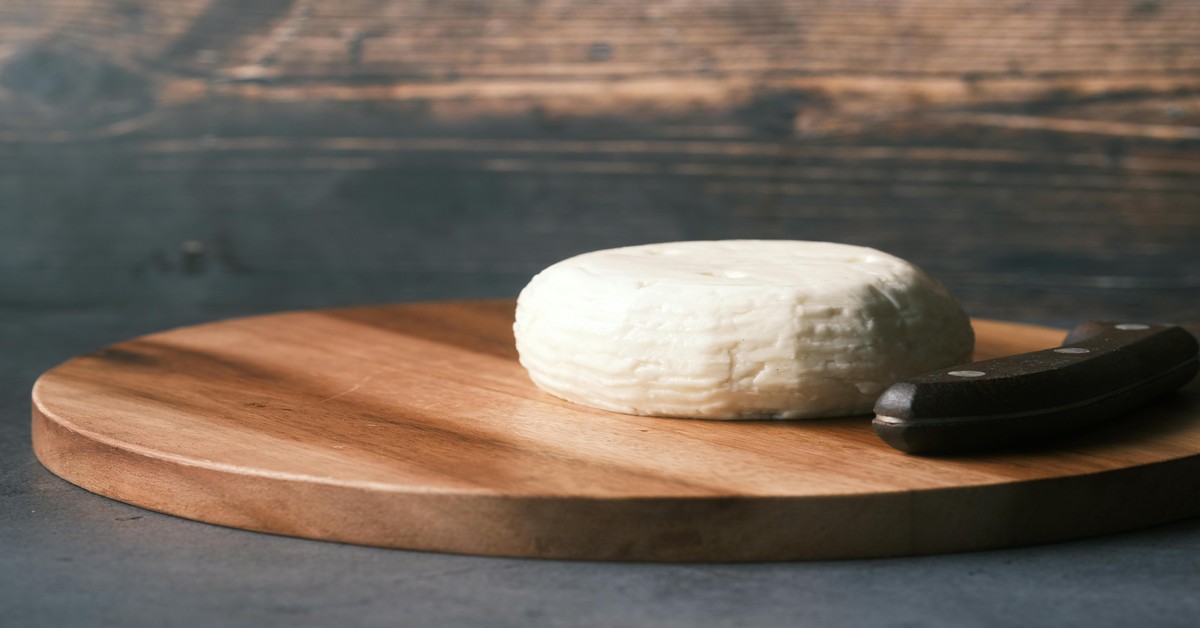
Be aware that ‘fake’ agriturismos exist. These properties call themselves agriturismos but operate purely as accommodation, sometimes farming just a token patch of land to meet the legal minimum. Knowing the legal definition gives you a practical lens to sort genuine heritage keepers from tourist traps. When in doubt, look for the farm’s product line. If they sell their own olive oil, wine, cheese, or preserves, they’re likely doing real work.
Ancient Grains and Heirloom Varieties: The Revival of Traditional Crops
One of the most practical and direct ways agriturismos preserve Italian heritage is through the cultivation of ancient grains. Industrial farming has pushed out many traditional varieties because they yield less or are harder to harvest with machines. But on small family farms, you’ll find farro monococco in Umbria, Senatore Cappelli wheat in Puglia, and heirloom tomatoes that would never survive a cross-country truck ride.
The work involved is tedious. Seed saving, rotational grazing, and maintaining biodiversity across a small plot of land takes real knowledge and labor. These farms aren’t just growing crops—they’re acting as gene banks for flavors and varieties that would otherwise disappear. For the traveler, this matters because it directly influences what ends up on your plate. The bread at dinner isn’t made from generic flour. It’s made from a specific grain that has a history tied to the region.
If you want to go deeper, there are practical tools that can help you appreciate this aspect of the experience. A good guidebook on Italian heirloom produce can explain what you’re eating and why it matters. Some travelers even bring a seed-saving kit home to try small-scale farming in their own gardens. It’s a niche interest, but for anyone serious about understanding how food preserves culture, it’s a rewarding one.
From Vine to Cantina: Preserving Indigenous Grape Varieties and Winemaking
Italian wine culture is known worldwide, but what keeps it authentic are the small farmers who refuse to rip out their native vines to plant international varieties like Merlot or Cabernet Sauvignon. Agriturismo wineries are often the last bastions for grapes like Nebbiolo in Piedmont, Sangiovese Grosso in Tuscany, or Falanghina in Campania—varieties that industrial producers see as less marketable.
When you visit a small farm winery, the difference is tangible. The vineyard rows may be older, the vines gnarled, and the yields lower. But the wine tells a story that a supermarket bottle can’t. A practical tip: during a tasting, ask about ‘vecchie viti’—old vines. If the winemaker lights up and points you to a specific plot, you’re in the right place. Genuine producers are proud of their older vines because those plants carry flavors that can’t be replicated.
Buying wine directly from the farm is one of the best ways to support this tradition. Not only do you get a unique product, but every bottle purchased helps finance the maintenance of those old vineyards. For the enthusiast, bringing a wine-tasting journal can turn a casual visit into a richer experience, helping you track what you learn and remember the nuances of each variety.
The Olive Oil Connection: Traditional Harvest and Pressing Methods
Olive oil production is another area where agriturismos play a critical role in heritage preservation. Ancient olive groves, some dating back hundreds of years, are common on these farms. Many still use traditional cold-pressing techniques that avoid the high heat and chemical solvents of industrial processing. A significant number of small farms choose not to filter their oil, which retains more flavor compounds but shortens the shelf life.
This is a tradeoff worth understanding. Unfiltered oil is grassier, more peppery, and more volatile. It’ll taste amazing for a few months and then decline quickly. For the farmer, it means managing a product that can’t sit on a shelf for a year. For the guest, it means you’re tasting oil at its peak if you buy it directly from the press in autumn.
If you visit between October and December, ask if you can see the olive press or even participate in the harvest. Many farms welcome this. For practical home use, a dark glass oil storage container will help preserve the oil you bring back. A good book on Italian olive oil varieties can also deepen your understanding of the differences between regions.
Culinary Traditions: Recipes Passed Down Through Generations
Not all agriturismo cooking classes are created equal. Some are genuine experiences where a grandmother teaches you her family’s pasta recipe, using eggs from the farm and flour milled from their own wheat. Others are slick, pre-packaged demonstrations designed for tourists who want a photo op.
To tell the difference, look for specific signs of authenticity. The best classes use farm-grown ingredients and seasonal menus that change with what’s available. If the menu is fixed and printed in four languages with no reference to what’s growing outside, you’re likely in the wrong place. Another strong indicator: if the cook can’t change the recipe based on what you have in your kitchen, the experience is scripted.
The real treasure is a class where a nonna shows you how to shape ravioli by hand, tells you the story of her mother’s kitchen, and serves the meal with wine from the family vineyard. Booking a private class at a farm you’ve researched can turn a meal into a memory that carries cultural weight. If you want to practice at home, a traditional Italian cookbook written by a regional expert is a solid investment.
Artisan Crafts and Dying Skills: From Cheese to Ceramics
Many agriturismos don’t stop at food. They also host artisans who practice skills that are slowly disappearing. Cheese-making using raw milk from the farm’s own sheep, bread baked in wood-fired ovens, and ceramics painted on foot-pedal wheels—these crafts depend on a market that small farms provide. Without the steady stream of visitors, many of these artisans would struggle to make a living.
If you’re interested in learning, a one-day demonstration is useful for observation, but a multi-day stay allows you to actually try. A weekend workshop where you help make a wheel of pecorino or throw a clay bowl on a traditional wheel gives you real insight into the effort behind the product. This is a chance to support both the farm and the artisan.
For the enthusiast, there are starter kits for cheese-making or ceramic painting that can help you continue the practice at home. But the true value is in the live experience—seeing how much work goes into something that industrial production has made invisible.
Architectural Heritage: Restoring Farmhouses, Barns, and Stone Walls
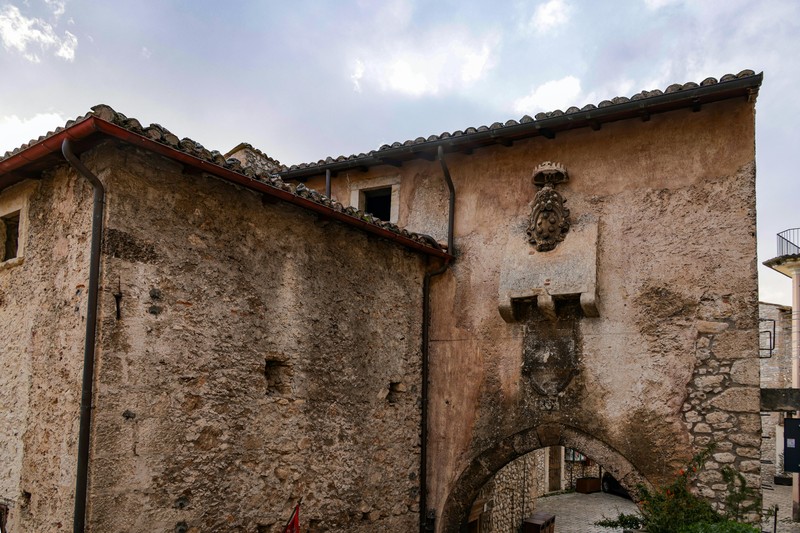
The buildings themselves are often part of the preservation story. Many agriturismos occupy structures that are centuries old—farmhouses built with local limestone, barns with timber frames, and terraced slopes held together by dry-stone walls. Restoring these buildings using traditional materials is expensive and slow, but it’s what gives these places their character.
There’s a practical tradeoff to acknowledge here. Thick stone walls keep the house cool in summer, but they also block WiFi signals. Original terracotta floors are beautiful, but they’re cold in winter. A restored farmhouse isn’t a modern luxury hotel. It’s a compromise between authenticity and comfort. If you walk in expecting resort-level amenities, you may be disappointed. If you walk in accepting the quirks of a historic building, you’ll appreciate the craftsmanship.
No monetization is needed for this section. It’s trust-building content that positions the farm as a genuine preservation project. The best agriturismos openly discuss their renovation process and show before-and-after photos of their buildings. That transparency is a good sign.
Biodiversity and Landscape Stewardship: More Than Just a Farm
The environmental role of agriturismos is often underappreciated. These farms maintain hedgerows, stone terraces, and dry-stone walls that prevent erosion and provide habitats for native species. In regions like Le Marche, the ‘seminativo’ system of mixed cropping and livestock grazing keeps the landscape diverse. In Puglia, farms that protect ancient olive forests maintain ecosystems that intensive monoculture would destroy.
Here’s a tip I learned the hard way: start small before you invest big.
This is a broader aspect of italy local heritage preservation that goes beyond food and crafts. It’s about keeping the land healthy for the next generation. A farm that practices rotational grazing, avoids chemical inputs, and maintains traditional drainage systems is preserving a way of farming that is harmonized with the local environment.
For the traveler, this means your stay has a positive ecological impact. You’re supporting a model of agriculture that values long-term stewardship over short-term yield. Asking about the farm’s land management practices can reveal a deeper commitment to the region than a single dinner menu ever could.
Common Mistakes Travelers Make When Choosing a Heritage-Focused Agriturismo
Even well-meaning travelers make mistakes that undermine their experience. Here are the most common ones:
- Assuming all agriturismos are equally authentic. Some are genuine farms. Others are just accommodations with a rustic facade. Do your research.
- Booking too late and missing the farm experience. If you arrive in November expecting a cooking class that requires garden-fresh vegetables, you’ll be disappointed. Plan around the farm’s seasonal activities.
- Not asking about the farm’s history or current practices. A quick email asking what traditions they actively preserve can reveal a lot. If they can’t answer, move on.
- Expecting a resort experience. An agriturismo isn’t a spa. It’s a working farm. Expect simple rooms, early mornings, and the occasional rooster.
Vet your farm beforehand. Check their website for photos of real farm activity. Read reviews for mentions of family involvement, guided tours, or a genuine connection to the land. A farm that posts harvest photos and talks about their animals is a better bet than one that only shows clean towels.
How to Support Heritage Preservation as a Guest: Practical Tips
Your behavior as a guest directly affects the farm’s ability to continue its work. Here’s how to be a participant rather than a passive consumer:
- Buy their products directly. Oil, wine, cheese, preserves—every purchase supports their agricultural work.
- Participate in seasonal activities. If you’re there during the olive harvest, ask to help. If the baker starts at dawn, offer to watch.
- Leave reviews that mention the heritage aspect. Future travelers rely on reviews to find authentic places. Mention the farm’s specific traditions.
- Recommend to friends. Word of mouth is the best marketing for small farms.
- Avoid asking for imported goods or out-of-season produce. A genuine farm serves what it grows. Respect that.
Small actions add up. A guest who engages with the farm’s mission contributes to keeping those traditions alive.
Choosing the Right Agriturismo for Your Heritage Travel Goals
Not every farm does everything. Matching your interests to the right region and farm type is the final step in planning a meaningful trip.
Here’s a simple framework:
- Best for olive oil lovers: Puglia. The region has some of the oldest olive trees in Italy and many farms focus exclusively on oil production.
- Best for ancient grain enthusiasts: Tuscany and Umbria. These regions have strong traditions of farro and heirloom wheat farming.
- Best for wine lovers: Piedmont and Tuscany. Look for farms that specialize in native grapes and offer vineyard tours.
- Best for cheese and crafts: Sardinia and Basilicata. These regions have strong pastoral traditions and artisan cheese-making.
- Best for all-around farm life: Le Marche and Abruzzo. These regions offer a mix of crops, livestock, and building conservation.
Before booking, ask the farm directly: “What traditions does your farm actively preserve?” and “Can guests participate in any seasonal work?” A farm that can answer these questions clearly is a farm worth visiting.
Book Your Heritage Stay: Support Local Traditions Firsthand
The best way to preserve these traditions is to experience them—and support the families who keep them alive. A stay at a genuine agriturismo isn’t a vacation in the usual sense. It’s an investment in continuity. Every meal you eat, every bottle you buy, every room you sleep in is a vote for the kind of agriculture and culture that industrial tourism can’t replicate.
My honest take: don’t let perfect be the enemy of good. Pick something and start.
Check rates and book your stay now at a carefully vetted agriturismo that prioritizes heritage preservation. Your trip will be richer, and the traditions will endure one season longer.