
Introduction
If you’re serious about understanding olive oil, Puglia is the place to go. This region produces nearly half of Italy’s olive oil, and a well-planned olive oil tour Puglia can teach you more in a few hours than years of reading labels back home. I’ve visited dozens of frantoi across the region, from small family operations to larger cooperative mills. What follows is a practical breakdown of how oil gets from the tree to your bottle. It covers the production process step-by-step, explains what to look for on a tour, and gives you the tools to buy better oil. No romanticizing the countryside—just knowledge that pays off in quality.
I’ve stayed at enough Italian farm stays to know that the details matter more than the star rating.
In my experience, the biggest mistake people make is overthinking the details and missing the fundamentals.
Related: Best Italy Navigation Apps: How to Navigate Rural Roads and Find Farm-Stays | Agriturismo Safety Tips: Staying Safe on a Working Farm in Italy | Traveling Italy by Train: How to Reach Farm-Stays Without a Car
Why Puglia Produces Most of Italy’s Olive Oil
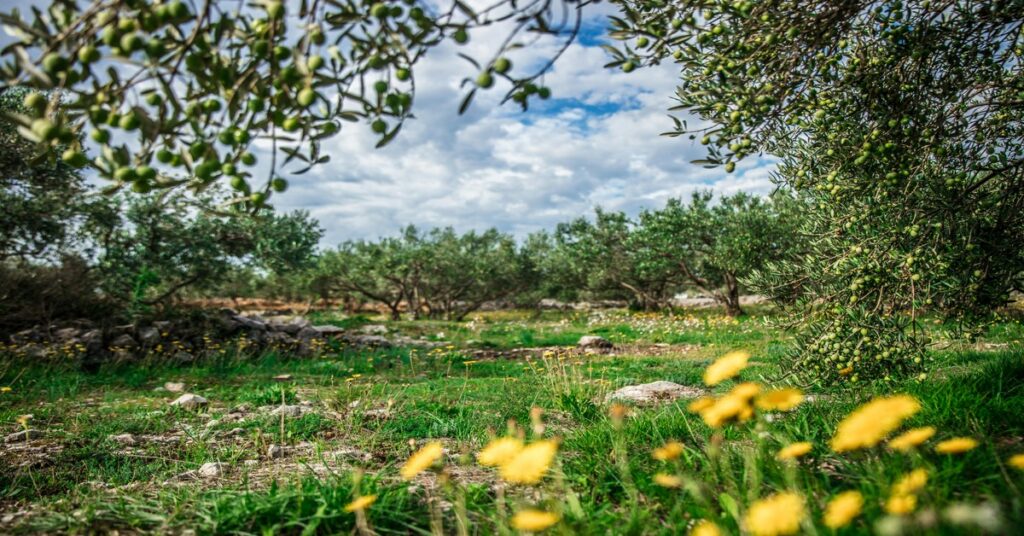
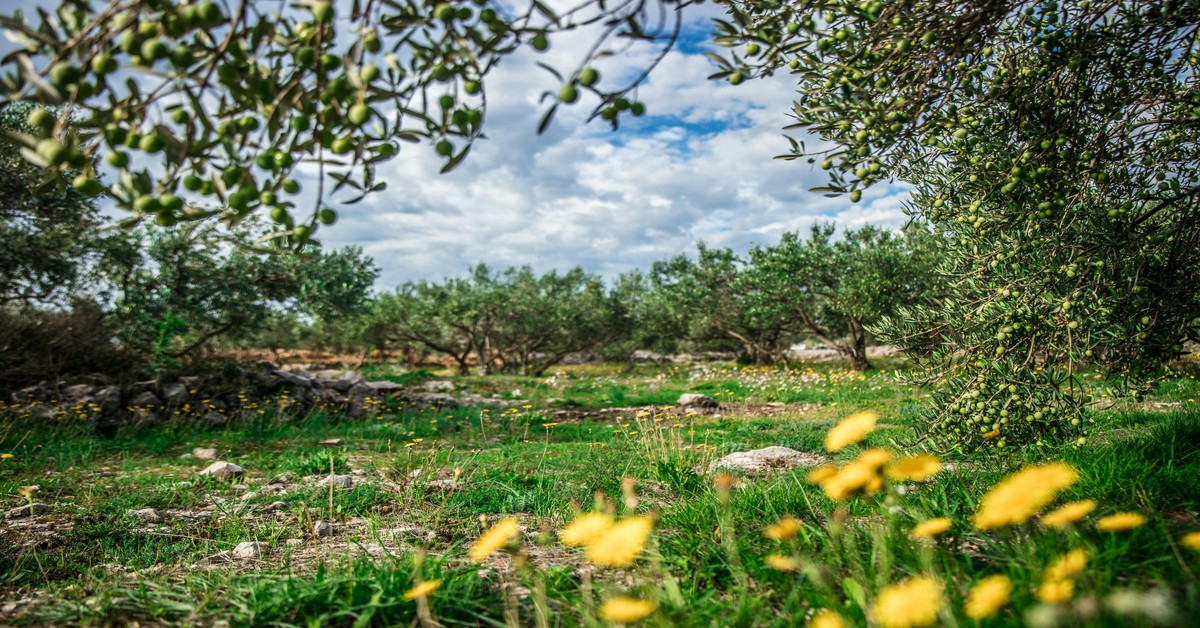
The region has the right climate for olive cultivation—hot, dry summers, mild winters, and coastal breezes that help prevent fungal diseases. But more importantly, Puglia has some of the oldest olive trees in Europe, many still producing fruit after centuries. The two dominant varieties are Coratina and Ogliarola. Coratina is known for its high polyphenol content and intense bitterness. Ogliarola is gentler, more buttery, and often used in blends to balance things out. Understanding these two varieties alone makes the tasting experience more meaningful. The scale of production here means you get both quality and quantity, but not all oil is equal. A tour in Puglia is not just a tourist activity—it’s a crash course in agricultural precision.
Step One: Harvest Timing and Method
Harvest season in Puglia runs from October through December, but timing matters. Early harvest olives (October to early November) produce oil that is greener, more bitter, and higher in polyphenols. These oils have a longer shelf life and a more pronounced peppery finish. Later harvest olives yield more oil per kilogram, but the flavor softens.
When you book a tour, ask if they harvest early or late. Most quality-focused producers harvest early because the health benefits and flavor profile are better. You can find books and guides on olive harvesting for deeper reading before the trip.
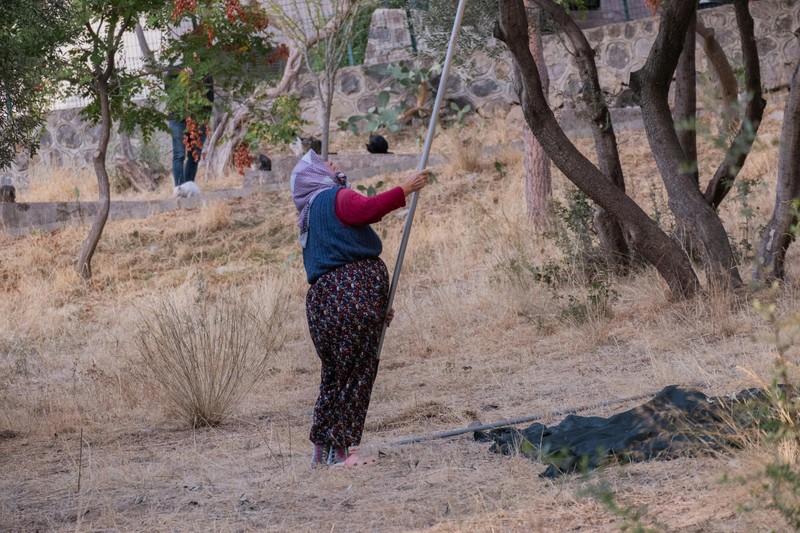
Method matters too. Traditional harvest involves hand-picking or using long poles to knock olives onto nets. Mechanical harvesters shake the trunk and catch the fruit. Mechanical is faster and cheaper, but can bruise the olives if not done carefully. A good producer will tell you how they harvest. That level of transparency is a reliable signal of quality.
Step Two: Transport and Cleaning
Once harvested, olives degrade quickly. They need to reach the mill within 24 hours, ideally sooner. Many producers process within 6 to 12 hours. On a tour, you’ll see the receiving area where olives are dumped into hoppers. Leaves, twigs, and dirt get removed by air blowers and washing tanks.
Some modern mills use optical sorters to remove defective fruit. This is a higher-end detail you won’t see at every frantoio, but it signals investment in quality. Don’t skip this part of the tour. How a producer handles the immediate post-harvest phase tells you everything about their priorities. If they’re casual about timing or cleanliness, the rest of the process will reflect that.
Step Three: Crushing and Malaxation
This is where the magic happens. The clean olives are crushed into a paste. Traditional granite millstones grind slowly and generate less heat, preserving delicate aromas. Modern stainless steel hammer mills are faster but can heat the paste slightly. Neither is inherently better, but they produce different flavor profiles.
After crushing, the paste goes through malaxation. This is a slow, continuous mixing process—usually 20 to 40 minutes—that allows tiny oil droplets to coalesce into larger ones that can be separated. Temperature must stay below 27°C (80°F) to qualify as cold-pressed. Anything above that degrades the oil’s volatile compounds.
During a tour, look for the malaxation machine. It will be a large enclosed tank with a paddle inside. Ask the guide how long they mix and at what temperature. If they know the answer, they care about their product.
Step Four: Extraction and Separation
Once the paste is ready, the oil must be separated from the solids and water. Modern mills use a centrifuge—a horizontal spinning drum that separates by density. This is clean, fast, and efficient. Traditional pressing, where the paste is spread onto fiber mats and pressed hydraulically, is rare today because it’s slower and harder to keep clean.
The centrifuge produces two streams: olive oil mixed with water, and solid pomace. The oil then goes through a vertical centrifuge to remove residual water. At this point, you have raw, unfiltered olive oil.
The separation step is mostly automated in modern mills. Don’t expect a dramatic manual process here. But understanding it explains why most commercial oil today is centrifugally extracted rather than pressed in the romantic sense.
Step Five: Storage and Filtration
Straight off the centrifuge, the oil is cloudy and contains tiny particles of olive flesh and water. Some producers bottle it immediately as unfiltered oil—also called non-filtered or “natural” oil. Unfiltered oil has a more intense flavor and fuller mouthfeel, but it has a shorter shelf life because the organic particles can promote fermentation.
Filtered oil is passed through filter pads or cloth to remove those particles. It becomes clearer, more stable, and will stay fresh longer. Neither is objectively better, but your intended use matters. If you plan to use the oil within a few months, unfiltered is a treat. If you want it to last through the year, go with filtered.
Storage is equally critical. Tanks should be stainless steel, filled with nitrogen or argon to displace oxygen, and kept in a temperature-controlled, dark room. Exposed to light or heat, even great oil degrades fast. During a tour, ask to see the storage tanks. If they are open or in warm sunlight, consider it a red flag.
Bottling and Labeling: What to Look For
The label is where the marketing starts. Don’t be fooled by pretty bottles. Focus on these terms:
- Extra Virgin: legally free of defects and with acidity below 0.8%. This is the highest quality classification.
- PDO (DOP in Italian): Protected Designation of Origin. The oil must be produced entirely within a defined geographic zone. PDO often guarantees a certain flavor profile.
- PGI (IGP in Italian): Protected Geographical Indication. Less strict than PDO—only one stage of production must occur in the region.
- Acidity: measured as free fatty acid. Lower is better. Good extra virgin under 0.3% is common among quality producers.
- Harvest year: specific year on the bottle matters. If it’s missing, that’s suspicious. Olives are harvested once a year, so the best oil is from the most recent harvest.
A good tour guide will walk you through their label. If they don’t, ask them directly. When shopping for oil to bring home, look for these markers. They are your only true guide when the pretty packaging tries to sell you something mediocre.
What to Expect on an Olive Oil Tour in Puglia
Most olive oil tour Puglia experiences run between one and three hours. The typical format starts with a walk through the groves, where the guide explains the farm’s history and the varieties of olives grown. Then it’s on to the mill—the frantoio. Depending on the season, you may see the machinery running. Harvest season is best for active demonstrations.
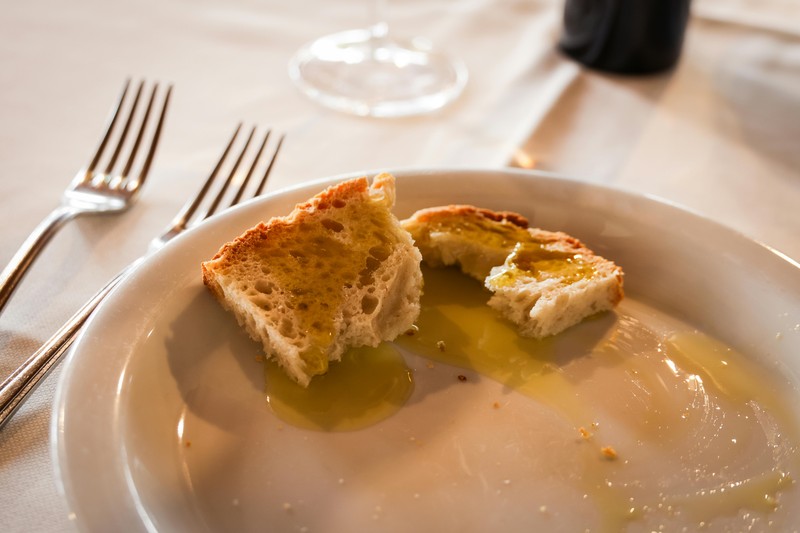
The tour ends with a tasting. This usually includes a plate of bread or bruschetta, sometimes with local cheese, and several oils to sample. The guide will show you how to taste properly: a small pour into a glass, warm it in your hand, smell it, then sip it. Expect bitterness and pungency. These are signs of polyphenols and freshness, not defects.
Cost runs from €10 to €30 per person. Many frantoi require advance booking, especially during October and November. Language options vary—some have English-speaking guides, others don’t. Verify this before booking if Italian isn’t comfortable for you. If you plan to take notes during the tasting, a small travel notebook can help you remember the oils you liked best.
I’ve used both approaches extensively, and honestly, it depends entirely on what you’re trying to accomplish.
How to Choose the Best Olive Oil Tour for You
Not all tours are the same. The best choice depends on what you want:
- Small family-run mill: more personal, deeper knowledge, sometimes less polished facilities. Great for purists who want to understand every detail. Less comfortable seating and often no formal tasting room.
- Larger cooperative mill: efficient, multilingual guides, professional tasting rooms. Tours can feel slightly more scripted. Good for casual visitors or families with children who need a shorter attention span experience.
- Luxury estate: includes wine pairing, cooking demonstrations, and sometimes accommodation. Expensive but designed for comfort. Best for couples or those seeking a full-day experience rather than a focused oil education.
I’ve visited all three types. The small family mill gave me the best technical insight. The cooperative was excellent for group logistics. The luxury estate was enjoyable but the oil knowledge was more surface-level. Decide what matters more: depth of information or ease of experience.
Common Mistakes to Avoid on an Olive Oil Tour
- Not booking ahead. Harvest season tours fill up fast. Don’t assume you can walk in. Book at least a week in advance, more if you’re visiting in November.
- Trusting the hotel concierge blindly. Many will recommend a tour partner that pays them a commission. Do your own research or ask locals. A quick search for “frantoio” on Google Maps near your accommodation usually reveals well-reviewed independent mills.
- Skipping the tasting. It’s not just a marketing pitch. The tasting is where you learn to differentiate quality. Take notes. You’ll become a better buyer.
- Not asking about the harvest date. If they can’t tell you when the olives were picked, the oil is likely old or stored poorly. Move on.
- Assuming ‘extra virgin’ guarantees quality. In Italy, the rules are strict but not always enforced perfectly. Tasting and label reading still beats blind trust in the seal.
Practical Tips for Visiting a Frantoio (Mill)
- What to wear: comfortable shoes for walking uneven groves. Dark clothes, because olive stains don’t wash out easily. A hat and sunscreen for outdoor portions.
- Best time of day: morning, between 9am and noon. Many frantoi press olives early to avoid the afternoon heat. You’re more likely to see active pressing.
- Bringing oil home: olive oil bottles in checked luggage are safe if you wrap them in clothing inside a sealed plastic bag. Alternatively, buy a purpose-built bottle protector (check bottle protectors on Amazon). A luggage scale helps avoid overweight fees—essential if you plan to buy several bottles.
- TSA-friendly containers: if you want to carry on, transfer a small amount into a 100ml travel bottle. But honestly, checking a bag makes life easier when buying oil.
Olive Oil Tasting: A Quick Primer
Tasting olive oil is straightforward once you know what to look for. Professional tasters use a blue glass so the oil’s color doesn’t distract. In practice, any small cup or glass works. Follow this sequence:
- Look: clarity varies from filtered to unfiltered. Color ranges from gold to deep green, but color is not a reliable indicator of quality.
- Smell: fresh oil should smell grassy, fruity, or herbaceous. Any scent of old walnuts, crayons, or vinegar indicates oxidation or defects.
- Taste: take a small sip and draw air in through the sides of your mouth. Bitterness on the back of the tongue and a peppery or burning sensation in the throat are signs of high polyphenol content. Mild, buttery oil isn’t necessarily bad, but it’s less complex.
Trust your senses. If a mill offers a tasting and doesn’t guide you through this, ask them to. A producer who can’t explain their own oil is one to skip.
Wrapping Up: Book Your Stay and Reserve a Tour
An olive oil tour in Puglia isn’t just a tourist gimmick. It’s one of the most practical and educational food experiences Italy offers. Combine your tour with a stay in an agriturismo or a farmhouse near the Valle d’Itria or Salento. These areas are dotted with high-quality frantoi and offer easy access to multiple mills in a single trip.
My honest take: don’t let perfect be the enemy of good. Pick something and start.
Plan ahead. Harvest season runs October through December. Book your tour the same week you book your accommodation. Search for agriturismi with on-site mills or within ten kilometers of a well-reviewed frantoio. A little planning now means better oil on your table for months to come.