
Introduction
If you’re looking for an agriturismo po delta birdwatching base that pairs comfortable lodging with direct access to some of Europe’s most important wetlands, you’ve come to the right place. The Po Delta isn’t just another birding spot—it’s a genuine hub for avian diversity, with over 350 species recorded across its lagoons, marshes, and pine forests. Picking the right place to stay can really shape your trip. Not every farm stay is set up for early morning starts, gear storage, or guided excursions. This article cuts through the noise. You’ll get five carefully selected agriturismos, practical planning advice, and some mistakes I’ve seen birders make time and again. Whether you’re after migrating passerines in spring or wintering geese, this guide comes from firsthand experience in the region.
Why the Po Delta Is a World-Class Birding Destination
Let’s get one thing straight: the Po Delta isn’t a hidden gem—it’s a fully recognized biodiversity hotspot. The Po Delta Regional Park covers over 53,000 hectares and includes key reserves like Bosco della Mesola, Valle Cavanata, and the Sacca di Goro. If you’re tracking numbers, expect to see species like the Little Egret, Purple Heron, Avocet, Black-winged Stilt, and during migration, thousands of waders and passerines. In winter, the lagoons fill with Common Shelduck, Teal, and even the rare Greater Flamingo. What stands out is the sheer variety of habitats—salt pans, freshwater marshes, riverine forests, and coastal dunes—all within a short drive or bike ride. This is exactly why an agriturismo works so well here. Farm stays are often right at the edge of agricultural land and wetlands, giving you immediate access to birding trails without the noise of a town center. Plus, many agriturismo owners know the land intimately—they can tell you exactly where the Bittern has been calling or which path has fewer mosquitoes. Spring migration peaks from April to May, while autumn, from September to October, is prime for waterfowl. Winter draws in geese and ducks. Whenever you come, you’re not just getting a bed—you’re getting a local base camp. Don’t underestimate the value of good local food here either. After a long day in the field, a home-cooked meal made from delta ingredients is exactly what you need.
What to Look for in an Agriturismo for Birding
Not every agriturismo is the same for birding. You need to filter based on specific criteria. Here’s a straightforward checklist:
Related: Smart Italy Travel Insurance Tips: Navigating Cancellation Policies for Your Trip | The Complete Agriturismo Le Marche Guide: Vineyards, Sunflowers ‘ Where to Stay | Best Italy Navigation Apps: How to Navigate Rural Roads and Find Farm-Stays
- Proximity to reserves: Aim for within 10 kilometers of at least one major site like Bosco della Mesola or Valli di Comacchio. Anything further and you’ll waste time driving.
- Quiet surroundings: Avoid agriturismos near main roads or with nightlife. You want quiet mornings and evenings for bird activity.
- Early breakfast options: Some places serve breakfast at 8:00 AM. For birding, you need 6:00 AM or earlier. Ask ahead.
- Guided birding tours or packages: A few agriturismos offer on-site guides or partnerships with local experts. This saves you planning effort and gives you insider knowledge.
- Gear storage: If you’re bringing a spotting scope or tripod, make sure there’s secure, dry storage. A locked shed or a room with a lock works well. Travelers who need a reliable tripod may want to consider a lightweight spotting scope tripod that’s easy to carry on delta trails.
The tradeoff between rural and edge-of-town locations is worth thinking about. Rural agriturismos are quieter but may have limited dining options and slower internet. Edge-of-town spots are more convenient for restaurants but may lack the immersive feel. For serious birding, rural is almost always better. Think about what matters most to you: do you want to step out of your door and start birding immediately, or are you okay with a short drive?
The 5 Best Agriturismos for Bird Watching in the Po Delta
1. Agriturismo B&B Corte dell’Angelo – Near Valli di Comacchio
Location: Close to Comacchio, about 5 kilometers from the Valli di Comacchio bird reserve.
Standout birding features: The owners are birders themselves and run guided sunrise tours of the salt pans. They have a small observation platform on the property overlooking a reed bed where you can spot Purple Herons and Marsh Harriers without leaving the grounds. They offer packed breakfasts for early starts.
Accommodation type: Simple but comfortable rooms in a restored farmhouse. Family-run, welcoming atmosphere.
Price range: Mid-range. Around €80–€120 per night depending on season.
Best for: First-time visitors to the delta who want guided access without the hassle.
Avoid this if: You want luxury or a swimming pool. This is a working farm, not a spa.
2. Agriturismo Le Dune – Bosco della Mesola
Location: On the edge of Bosco della Mesola, a 30-minute walk from the forest entrance.
Standout birding features: Dedicated birding packages include guided walks with a local ornithologist, a picnic lunch, and field map. They have a small hide near a wetland on the property. The forest is excellent for woodland species like the White-backed Woodpecker and Short-toed Treecreeper.
Accommodation type: Rustic apartments with kitchenettes, making it easy to prepare your own meals. Good for self-sufficient travelers.
Price range: Mid-range to slightly premium. €100–€150 per night.
Best for: Serious birders who want organized excursions and self-catering flexibility.
Avoid this if: You prefer someone else to cook dinner every night. The kitchenette is helpful but not all guests want to cook.
3. Agriturismo Ca’ Bianca – Near Porto Tolle
Location: Overlooking the Po River delta, with direct access to the Po Delta Park trails.
Standout birding features: This property has an on-site birding guide who knows the best spots for Penduline Tits and Bluethroats. They offer half-day and full-day tours that cover both riverine and coastal habitats. The property is on a quiet dirt road with zero traffic noise.
Accommodation type: Traditionally furnished rooms in a restored farmhouse. Home-cooked dinners are available with advance notice.
Price range: Budget to mid-range. €60–€90 per night.
Best for: Budget-conscious birders who still want guided tours and good food.
Avoid this if: You need a swimming pool, air conditioning, or modern amenities. The charm here is rustic.
4. Agriturismo Corte Fiorina – Lidi di Comacchio
Location: Between the Lidi di Comacchio beaches and the Valli di Comacchio reserve, about 8 kilometers from the main birding sites.
Standout birding features: Close to coastal dunes and salt pans, making it ideal for waders in spring and autumn. The owners are knowledgeable about local bird movements and can direct you to the best spots. They have a bike rental service, which is useful for exploring nearby trails.
Accommodation type: Modern apartments with air conditioning and private gardens. Good for families or couples who appreciate comfort.
Price range: Mid-range. €90–€130 per night.
Best for: Birders who want to combine sea and marsh birding, plus a comfortable base.
Avoid this if: You prefer total isolation. It’s closer to town than the others.
5. Agriturismo La Bottega dei Sapori – Porto Garibaldi
Location: Near Porto Garibaldi, a short drive from the Sacca di Goro bird area.
Standout birding features: This agriturismo partners with a local birding association for guided walks in the Sacca di Goro marshes, which is one of the best spots for Greater Flamingos in winter. They offer early breakfast (from 5:30 AM) and pack lunch boxes. They also have a small birding library with field guides.
Accommodation type: Cozy rooms in a converted barn. The restaurant on-site serves excellent delta fish dishes.
Price range: Premium. €120–€160 per night.
Best for: Serious birders who prioritize guided access and early starts.
Avoid this if: You’re on a tight budget or prefer self-catering.
Agriturismo Comparison Table: At a Glance
| Agriturismo | Price Tier | Key Birding Feature | Best For | Booking Link |
|---|---|---|---|---|
| Corte dell’Angelo | Mid-range | On-site observation platform | First-time visitors | Book |
| Le Dune | Mid-range to Premium | Guided birding packages | Serious birders | Book |
| Ca’ Bianca | Budget to Mid-range | On-site birding guide | Budget-conscious | Book |
| Corte Fiorina | Mid-range | Bike rentals for trails | Families | Book |
| Bottega dei Sapori | Premium | Early breakfast & guided walks | Serious birders | Book |
Essential Gear for Your Po Delta Birding Trip
What you bring can make or break your day. Here’s what I always pack for the Po Delta, based on the specific environment there:
- Binoculars (8×42 or 10×42): The delta is full of open water and marshes. A good pair of binoculars is non-negotiable. I find 8×42 binoculars are ideal for their wide field of view when scanning large flocks of waders.
- Waterproof boots: You’ll be walking on muddy paths, salt flats, and wet grass. Waterproof boots are essential. Trust me, wet feet by mid-morning will ruin your mood.
- Insect repellent with DEET: The mosquitoes in the delta are relentless, especially near the marshes at dawn and dusk. A good repellent is worth its weight in gold.
- Field guide: An app is fine, but a waterproof field guide is better because of humidity. The Collins Bird Guide for Italy covers most species you’ll see.
- Camera with telephoto lens: If you’re serious about photography, a 400mm lens or more is ideal. The light changes fast, so a camera with good low-light performance helps. I prefer a mirrorless camera for bird photography for its weight advantage.
- Backpack with hydration system: A day out in the delta means carrying water, snacks, and gear. A hydration backpack keeps you going without stopping.
Best Times of Year to Visit for Bird Watching
Timing your visit matters. Here’s a seasonal breakdown based on what you want to see:
- Spring (April to May): This is peak migration for passerines and waders. Expect species like the Common Nightingale, Golden Oriole, and dozens of warbler species. The marshes are alive with birdsong. The weather is mild, but it can rain. Pack layers.
- Summer (June to August): Hot and humid, but resident species are active. You’ll see Purple Herons, Little Egrets, and Black Kites. Best to go at dawn and dusk to avoid the heat. Fewer tourists, but mosquitoes are at their peak.
- Autumn (September to October): Another major migration window. Waterfowl start arriving, including Teal, Wigeon, and Pintail. The salt pans are full of waders. Good visibility and cooler temperatures make for comfortable birding.
- Winter (November to February): Best for large flocks of geese, ducks, and sometimes Greater Flamingos. The lagoons are quieter, but the air is crisp. You’ll have many spots mostly to yourself. Some agriturismos close in winter, so check ahead.
If you’re flexible, aim for late April or mid-September. Those windows give you migration plus good weather.
Common Mistakes Birders Make When Booking Agriturismos
I’ve seen it happen too many times. A birder books an agriturismo without asking the right questions, and the trip suffers. Here are the most common mistakes and how to avoid them:
- Assuming early breakfast is standard: Many agriturismos serve breakfast from 8:00 AM or later. You need to confirm they can accommodate an early start. If not, pack your own breakfast. Birders who want to be self-sufficient for early mornings may find a portable camping stove handy for preparing a quick meal in your room.
- Choosing solely based on price: The cheapest option might be too far from the reserves or have no gear storage. A slightly more expensive agriturismo can save you time and frustration.
- Not checking for guided tour availability: Some agriturismos advertise birding packages but only offer a map and a suggestion. Ask explicitly if they have a guide on-site or a partnership with one.
- Overlooking quiet hours: If you want to be out at dawn, make sure the property doesn’t have late-night parties or barking dogs. Ask about noise levels.
These are real-world pitfalls. Avoid them, and your stay will be much more productive.
How to Book Your Stay: Practical Tips
Booking an agriturismo for birding in the Po Delta is straightforward if you follow a few rules:
- Use reputable platforms: Booking.com is the easiest for most properties. It shows reviews, amenities, and cancellation policies. For agriturismos that aren’t on mainstream sites, check their own website or email them directly. Many smaller places prefer direct bookings and may offer a small discount.
- Check cancellation policies carefully: Especially if you’re booking during migration season (April, May, September, October). Flexible cancellation is worth the extra cost if your plans change.
- Language barrier: Most agriturismo owners speak some English, but not all. Emails in simple English or Italian are fine. If you’re booking a guided tour, clarify the guide’s English ability.
- Book early for peak seasons: April and September fill up fast. Aim to book at least 3 months in advance for the best options. If you’re flexible, last-minute bookings in winter are easier.
- Payment: Most accept credit cards or PayPal. Some rural places may prefer cash for extras like guided tours. Ask in advance.
After you’ve chosen, I recommend checking availability directly on Booking.com. The platform handles the logistics, and you can easily compare prices.
Combining Birding with Local Food and Wine
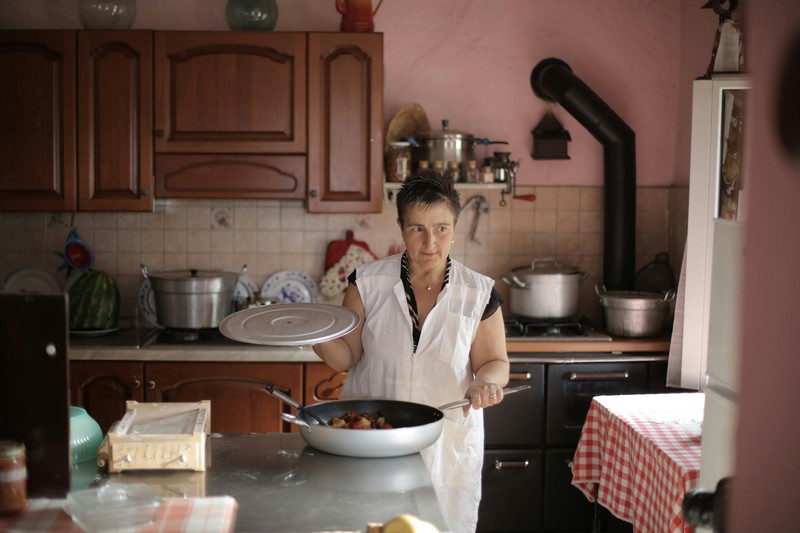
One of the perks of staying at an agriturismo is the food. The Po Delta is known for its seafood, especially eels, clams, and risotto with local fish. Many agriturismos serve meals made from ingredients grown on the property or sourced from nearby farms. Don’t skip dinner even if you’re tired—it’s part of the experience. A few agriturismos also have partnerships with local wineries. The region produces crisp white wines like Bianco del Delta that pair well with seafood. If you have a free afternoon, ask your host about a wine tasting nearby. It’s a practical way to unwind without straying far from your birding base. Just avoid heavy meals the night before a full day in the field—you don’t want to feel sluggish at dawn. Frequent birders who want to capture the local scenes might appreciate a compact travel camera for documenting both birds and food.
Frequently Asked Questions About Birding in the Po Delta
Do I need a guide for birding in the Po Delta? Not necessarily, but if you’re new to the area, a guide can save you time. They know where the birds are and the best times to visit specific spots. For seasoned birders, self-guided is perfectly fine with a good map and field guide.
Can I bring my dog? Some agriturismos allow dogs, but you must check beforehand. Many reserves have restrictions on dogs, especially during nesting season. Keep your dog on a leash and away from sensitive areas.
Is the area mosquito-heavy? Absolutely. The Po Delta is a mosquito paradise, particularly from late spring through autumn. Bring strong repellent, particularly for the marshes. Some agriturismos have mosquito nets on windows, but not all.
What’s the best reserve for beginners? Valli di Comacchio is the most accessible and offers a network of trails and hides. It’s easy to navigate and has good signage. Bosco della Mesola is excellent for woodland species but requires a little more effort.
What if I only have a few days? Focus on one or two reserves. Trying to cover the entire delta in a weekend will leave you exhausted. Valli di Comacchio and Sacca di Goro are the most productive for a short trip.
Final Recommendations: Which Agriturismo Should You Choose?
Based on your priorities, here’s a quick decision guide:
- Best for budget: Ca’ Bianca. Simple, effective, and with an on-site guide. You get high value for the price.
- Best for first-time visitors: Corte dell’Angelo. The guided sunrise tours and on-site observation platform make it easy to start birding without hassle.
- Best for serious birders: Le Dune or Bottega dei Sapori. Both offer guided packages, early breakfast, and direct access to top reserves. Le Dune is better for self-guided, Bottega dei Sapori for guided.
- Best for families: Corte Fiorina. Modern apartments and bike rentals work well for groups.
The choice depends on your comfort level, budget, and how much you want to rely on guides versus go solo. But whatever you pick, prioritize location and early breakfast flexibility. Those two factors will influence your experience more than any other. Book your agriturismo early—especially for spring and autumn. The best ones fill up quickly. Check rates on Booking.com and secure your base for an unforgettable birding trip in the Po Delta.
Here’s the bottom line: don’t overthink it. Pick the option that matches your current skill level and budget, and start making things. You can always switch later, but you can’t get back the time you spend comparing specs.