

Why You Need to Think About Cancellation Policies and Insurance for Your Italy Trip
You’re deep into planning your Italian adventure. You’ve picked the hilltop villages, circled the trattorias, and saved the perfect agriturismo. Now you’re staring at cancellation policies and insurance options. It’s not the romantic part of planning, but it’s where many travelers trip up. Here’s the practical truth: a little forethought saves you money, stress, and maybe a ruined holiday. After years of navigating Italy’s booking landscape, I’ve seen too many guests lose deposits on non-refundable bookings they couldn’t change. These italy travel insurance tips come from real experience — not a sales pitch. This guide is for DIY planners, first-timers, and anyone who wants to keep their money safe while living la dolce vita. We’ll cover what matters, what to skip, and how to book with confidence.

The Two Biggest Risks: Trip Cancellation vs. Trip Interruption
These two terms get lumped together, but they cover very different situations. Understanding the difference is your first real decision point.
Trip cancellation happens before you leave home. You break a leg, a family emergency pops up, or your employer says no to those vacation days. This coverage refunds your prepaid, non-refundable expenses — flights, hotels, tours, the works. For Italy, this matters because many smaller properties and specialty tours are strictly non-refundable. That charming farmhouse in Tuscany with a two-week cancellation window? You’ll lose your deposit if you cancel on day 13.
Related: What is an Agriturismo? Italy’s Unique Farm-Stay Explained | Choosing the Right Region: Where to Stay for Your First Visit | Traveling Italy by Train: How to Reach Farm-Stays Without a Car
Trip interruption kicks in once you’re already there. You’re sipping espresso in Rome and get a call that you need to return home. Or a stomach bug lays you flat for three days in Florence. Interruption coverage reimburses the unused portion of your trip and any extra costs to get home or change plans. This is especially relevant in Italy, where strikes, train cancellations, and sudden illness are real possibilities. I’ve had guests miss their Pompeii tour because of an unexpected train strike — interruption coverage saved their €200 booking.
Your risk profile determines which to prioritize. If you’re booking a low-cost, flexible itinerary, cancellation matters less. If you’re investing in expensive tours and non-refundable accommodation, both matter. The key is knowing which scenario keeps you up at night.
What Standard Italian Cancellation Policies Look Like (And What They Don’t Tell You)
Italian cancellation policies are not one-size-fits-all. Here’s what you’ll typically encounter and the fine print to watch for.
Most hotels and agriturismi offer two rate types. Flexible rates let you cancel free up to 24–48 hours before check-in. You pay a premium — sometimes 20–30% more — for that flexibility. Non-refundable rates are cheaper but lock you in completely. Some properties use a sliding scale: free cancellation up to 7 days out, 50% penalty between 7 and 3 days, and full charge after that.
The catch comes with smaller, family-run properties. They often have stricter policies than chain hotels because they can’t easily rebook last-minute cancellations. A ten-room agriturismo in the countryside loses real money when a booking falls through. Many also have unclear language in their Italian contracts. I’ve seen policies that say “free cancellation 14 days before arrival,” but the calculation is written in confusing terms. Always ask for confirmation in English and get it in writing. A quick email to the property asking “What happens if I cancel 7 days before?” prevents misunderstandings.
Tour operators are another layer. Cooking classes, wine tours, guided hikes — these often have strict cancellation windows (48–72 hours) with no exceptions. Smaller operators especially stick to their policies because they turn away other customers. Ask about their policy when booking, not when you need to cancel.
Italy Travel Insurance Tips: What Coverage Actually Matters
Not all insurance is created equal. Here’s what to look for specifically for an Italy trip. These italy travel insurance tips come from years of seeing what works and what doesn’t.
Medical evacuation. This is non-negotiable. If you’re hiking the Cinque Terre trails and break an ankle, getting you to a proper hospital might involve a helicopter or ambulance transfer. Rural areas in Tuscany, Umbria, and the Dolomites are far from major hospitals. Ensure your policy covers at least $100,000 in medical evacuation. Your standard health insurance likely won’t cover this internationally.
Trip cancellation and interruption. As we covered, this protects your prepaid costs. Look for a policy that covers cancellations for ‘any reason’ if you want maximum flexibility, but understand these upgrades cost more and reimburse less (typically 50–75%).
Baggage delay and loss. Losing a bag is annoying, but it’s usually a logistical problem, not a trip-ender. However, if your bag has critical medication, it matters. Ensure coverage for essential items if your bag is delayed more than 6–12 hours.
Rental car collision damage waiver (CDW). If you’re driving in Italy — through the winding roads of the Amalfi Coast or narrow streets of a hilltop village — rental car damage is a real risk. Many credit cards offer some CDW, but it’s often secondary. A standalone policy that covers CDW can save you thousands in case of minor scrapes or windshield cracks.
Adventure activities. Many standard policies exclude ‘hazardous activities.’ In Italy, that can include Vespa rentals, boat tours, kayaking, scuba diving, or even hiking above a certain altitude. If you plan to rent a scooter in Capri or take a cooking class that involves a steep hike, check the exclusions. Some policies allow you to add adventure coverage as an optional extra.
Three Common Mistakes Travelers Make With Insurance in Italy
I’ve seen these mistakes ruin perfectly good trips. Learn from others’ experiences, not your own.
Mistake 1: Assuming their home insurance covers international medical. Many travelers assume their health insurance follows them overseas. It usually doesn’t. Check your policy. Most domestic plans have no international coverage or only cover emergencies within the European Union (if you’re from the US, Canada, or Asia, you’re likely uncovered). The consequence: a basic doctor visit in Italy can cost €200, and a hospital stay quickly climbs into the thousands. Buy a separate travel medical policy. Travelers who need a clear overview of policy options may find it useful to compare travel insurance comparison tools to see what’s available.
Mistake 2: Buying a policy that excludes adventure activities. I had a guest who bought a cheap policy, rented a Vespa in Rome, had a minor accident, and learned her policy specifically excluded ‘motorized two-wheelers.’ She was out €500 for repairs and had no coverage. Same goes for boat tours, wine tasting in remote vineyards (driving on unpaved roads is often excluded), and even certain types of hiking. Read the fine print or call the provider.
Mistake 3: Not reading the fine print on ‘cancel for any reason’ upgrades. CFAR sounds amazing — cancel for any reason and get some money back. But it’s usually not a full refund. Most policies reimburse 50–75% of your non-refundable costs, and you must cancel at least 48 hours before departure. It’s expensive (often 40–50% more than a standard policy) and rarely worth it for short, cheap trips. It can be worthwhile for expensive, long itineraries with many non-refundable bookings. But know the limits before you pay extra.
Booking Policies: When to Go Flexible vs. Non-Refundable
Here’s the decision framework I use with my guests. It’s not about one being better; it’s about what fits your situation.
Go flexible when:
- You’re traveling during peak season (June–August, Christmas, Easter). Hotels and tours sell out, so flexible rates give you options without losing money if plans change.
- You’re in a group. Coordinating schedules for 4+ people increases the chance someone needs to change dates.
- Your itinerary is tight. If every day is booked, a single change dominoes into multiple cancellations.
- You’re a first-time DIY planner. You might want to adjust your route after Day 1.
Go non-refundable when:
- You’re traveling during shoulder season (April–May, September–October). Demand is lower, so even if you cancel, the property can rebook.
- You’re a solo traveler with loose plans. Less coordination needed.
- You’re booking a very inexpensive trip. If the total non-refundable cost is under €500, losing it is manageable. Insurance might not be worth the hassle.
- You’re booking accommodations only (flights are flexible or fully refundable).
How to Check If Your Existing Credit Card Insurance Is Enough
Many travel credit cards offer basic insurance. But “basic” is the operative word. Before buying a separate policy, check what you already have.
Here’s a checklist of questions to ask your card provider:
- What is the maximum medical coverage amount? If it’s under $50,000, it’s likely insufficient for a serious incident.
- Does it cover trip cancellation? Many cards cover only trip interruption, not cancellation.
- What is the cancellation reimbursement limit? It’s often a few hundred dollars, not the full cost of your trip.
- Does it cover pre-existing conditions? Most card insurance excludes them. If you have a chronic condition, this matters.
- Does it cover adventure activities like Vespa rentals, boat tours, or hiking? Most don’t.
- Is it primary or secondary insurance? Primary pays first. Secondary only kicks in after your own health insurance pays. This affects how quickly you get reimbursed.
Call your card’s insurance provider directly. Don’t rely on what the marketing materials say. I’ve had cardholders think they were fully covered only to find a €10,000 limit on medical expenses. That’s not enough for a helicopter evacuation from the Dolomites.

Italy-Specific Scenarios: When Insurance Really Saves Your Trip
Let me share some real situations I’ve encountered — names changed, but the lessons are real.
Scenario 1: The strike at Fiumicino. A couple had a non-refundable flight from Rome to Sicily, part of a train-flight combo. A nationwide strike grounded all flights. They missed a day in Palermo and had to rebook a train. Their trip interruption policy covered the new train tickets and the missed hotel night. Cost of policy: €60. Claim paid: €320.
Scenario 2: The medical issue in a small town. A guest in a tiny agriturismo near Montepulciano developed a severe allergic reaction. The closest hospital was 40 minutes away in a larger town. An ambulance was needed. Their medical evacuation policy covered the transport. Their health insurance covered the ER visit. Without medical evacuation coverage, they would have faced a €1,500 bill for the ambulance.
Scenario 3: Lost bag with critical medication. A solo traveler’s bag was delayed by three days. Inside were blood pressure and thyroid medications. Her baggage delay coverage allowed her to buy emergency supplies from a pharmacy in Florence. She also got reimbursement for toiletries and a change of clothes. Small hassle turned into a manageable inconvenience.
These scenarios aren’t dramatic, but they’re common. The right policy turns a trip-ruining event into a minor annoyance.
When You Can Skip Travel Insurance (And When You Shouldn’t)
I’m not here to scare you into buying insurance you don’t need. Let’s be honest: it’s not always necessary.
You can skip insurance when:
- Your trip is very short (2–3 days) and cheap (under €300 total). You can absorb the loss.
- You’re traveling within the EU and have a valid European Health Insurance Card (EHIC). This covers emergency medical care in public hospitals. It doesn’t cover evacuation or repatriation.
- All your bookings are fully refundable or you have flexible rates. You’ve minimized financial risk.
- You have no pre-existing conditions and no expensive tours or activities booked.
You should buy insurance when:
- Your trip costs over €1,000. Losing that stings.
- You have multiple non-refundable bookings (flights, hotels, tours).
- You’re traveling during winter or peak holiday season. Bad weather can cause cancellations and delays.
- You have pre-existing medical conditions. A minor issue can become a major disruption.
- You’re over 60. Health issues become more likely.
- You’re planning adventure activities (Vespa, boat tours, hiking, diving).
The rule of thumb: if losing the total cost of your trip would make you reconsider booking it, you need insurance.
Practical Gear and Tools That Make Trip Cancellation Easier
Sometimes the problem isn’t insurance — it’s managing the chaos of a disrupted trip. A few practical items make a difference.
Travel document organizer. Keep all your booking confirmations, insurance policy numbers, and emergency contact details in one easily accessible place. A slim zippered pouch works well. For longer trips, check out a travel document organizer to keep everything sorted.
Portable safe. A small combination lock safe that attaches to a fixed object. Useful for storing passports, credit cards, and important documents in public spaces. If you need to leave your bag during a change of plans, your valuables stay secure.
Reliable power bank. Flight delays and schedule changes mean you’ll be on your phone constantly — rebooking flights, calling insurance, checking emails. A 10,000 mAh power bank keeps your device alive for two full charges. A high-capacity power bank is a practical addition to your carry-on.
eSIM for quick internet. A local eSIM gives you immediate data access anywhere in Italy. No physical SIM swapping needed. Use it to check flight status, download new e-tickets, or message your hotel about late arrival. It’s a lifesaver when plans change.
Quick-dry travel towel. If you get stuck overnight somewhere unexpectedly, you’ll need basic amenities. A lightweight, quick-dry towel packs small and works for impromptu stays. Not glamorous, but practical.
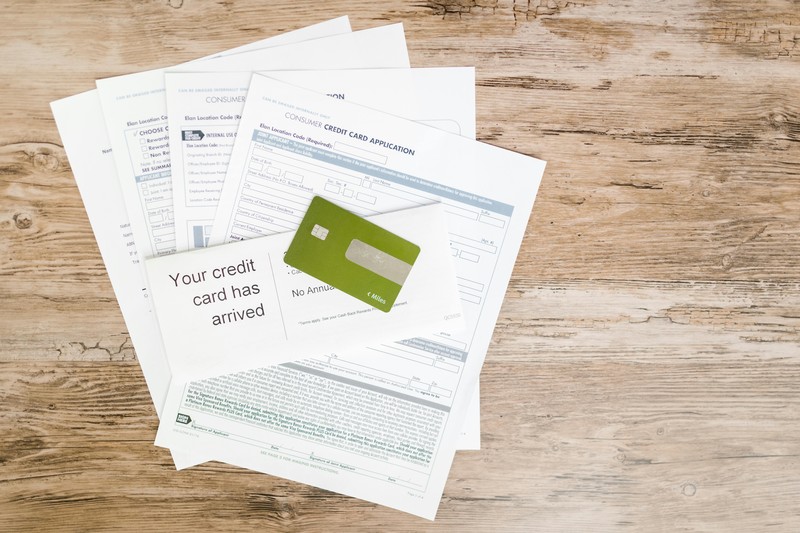
How to File a Cancellation Claim: A Step-by-Step Outline
When something goes wrong, don’t panic. Follow this step-by-step process to file your insurance claim smoothly.
- Contact the provider first. Before calling your insurance, notify the airline, hotel, or tour operator that you need to cancel. Explain the situation. Ask if they’ll offer a credit or waiver. Some properties are flexible, especially if you explain the reason (medical, family emergency). Get their refusal or approval in writing.
- Gather your documentation. You’ll need: receipt for the cancelled booking, proof of your reason (doctor’s note, airline cancellation notice, police report), and your insurance policy number. Keep copies of everything.
- Call your insurance claims line. Most companies have a 24/7 hotline. Tell them you need to file a cancellation claim. They’ll give you a claim number and explain the next steps.
- Submit the online form. Most insurers have a portal. Upload all documents. Be thorough: missing a single receipt can delay reimbursement by weeks. Double-check everything before submitting.
- Follow up. Claims take time. Typically 2–4 weeks for straightforward claims, longer for complex ones. If you haven’t heard back in 3 weeks, call them. Keep a log of your conversations including dates, names, and what was promised.
Common pitfalls: not reading the claim form instructions, uploading blurry documents, or missing the deadline for submission (usually 30–90 days from the event). Take it slow, be accurate, and don’t assume anything.
Comparing the Best Travel Insurance Options for Italy
These are options I’ve seen work well for Italy-bound travelers. Your mileage may vary, so always read the policy documents yourself.
World Nomads. Best for adventure travelers. Covers Vespa rentals, hiking, scuba diving, and other activities standard policies exclude. Easy online purchase and claim filing. Downsides: medical coverage limits can be lower (often $100,000). Not ideal for those with high medical evacuation needs.
Allianz Travel Insurance. Best for comprehensive coverage. Offers robust trip cancellation and interruption benefits. Their ‘OneTrip Prime’ plan covers up to $50,000 in medical evacuation. Good for families and expensive itineraries. Downsides: adventure activity exclusions are strict. Check if your planned activities are covered.
TravelGuard. Best for budget-minded travelers. Their plans are competitive on price but have lower limits. Suitable for short trips or travelers with strong health insurance who mainly need cancellation coverage. Downsides: medical coverage is often secondary, meaning you must use your own insurance first.
InsureMyTrip. Best for comparison shopping. This is an aggregator, not an insurer. You can compare policies from multiple companies based on your specific itinerary. Useful for seeing side-by-side coverage differences. Downsides: you need to know what you’re looking for. The sheer number of options can be overwhelming.
For most Italy trips, I recommend a mid-tier plan from Allianz or World Nomads, depending on your activities. If you’re just sightseeing and eating pasta, Allianz is solid. If you’re renting a Vespa or hiking the Dolomites, World Nomads is the safer choice.
Your Next Step: Ready to Book With Confidence?
You’ve got the tools now. Check cancellation policies carefully, buy insurance that matches your actual itinerary, and know how to handle a claim if things go sideways. The goal isn’t to eliminate all risk — that’s impossible. It’s to remove the worry so you can actually enjoy the trip. So go ahead. Book that cooking class in Tuscany. Reserve that vineyard tour. Plan the train ride between Cinque Terre towns. With the right coverage, you’re free to say “yes” to the spontaneous moments that make Italy so good. Ready to explore? Start here.