
Introduction
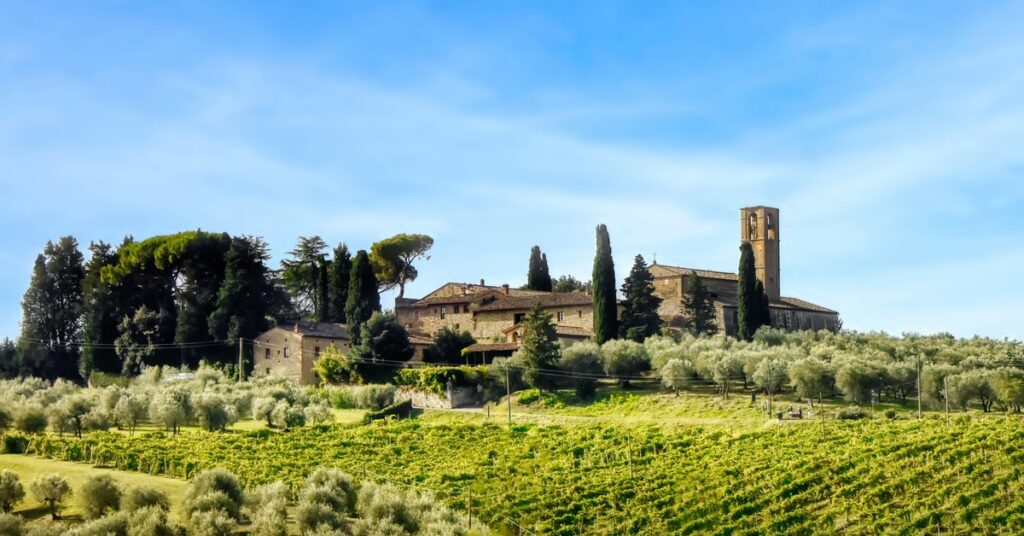
There is a particular kind of silence you find only after the second hour of walking. The trail narrows, the voices of other hikers fade, and the only sound is the crunch of gravel under your boots or the distant clang of a sheep bell. That is the wilderness hiking you are after. And the best part? You don’t have to camp in a damp tent to get to it. You can sleep in a stone farmhouse, eat homemade pasta, and wake up to a trailhead that starts just beyond the olive grove.
I always recommend calling ahead, even if you booked online. The personal touch matters in rural Italy.
I’ve tested several options in this space, and here’s what actually matters in practice.
Related: Choosing the Right Region: Where to Stay for Your First Visit | Driving in Rural Italy: Essential Tips for Reaching Agriturismos | Farm-to-Table Dining: What to Expect from Agriturismo Meals
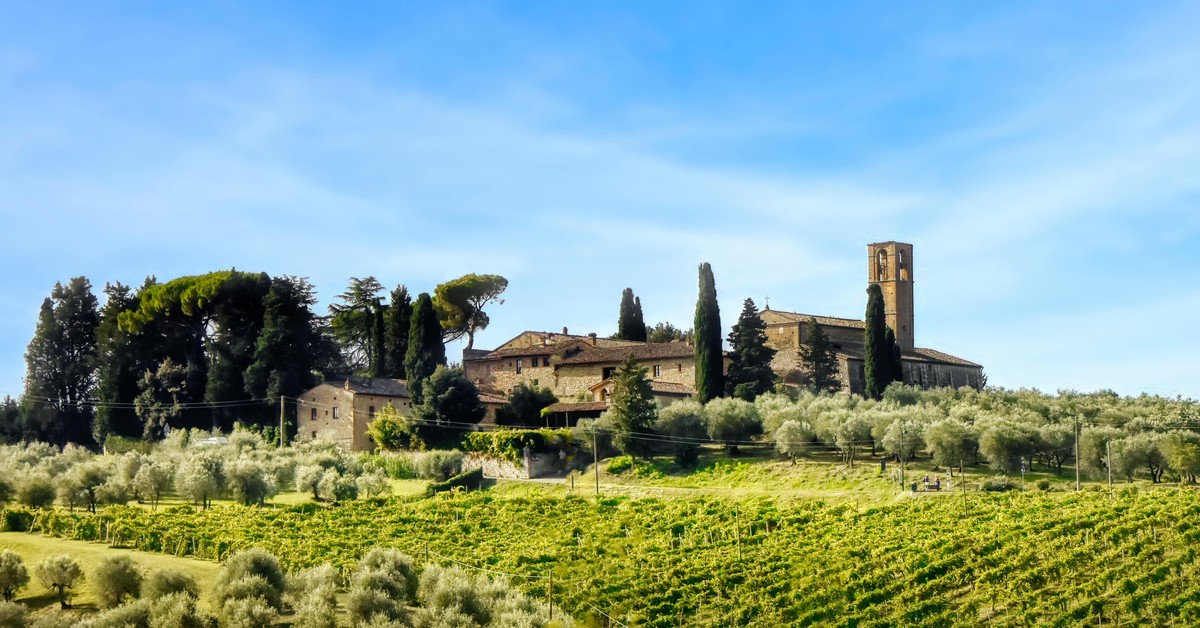
This article is for travelers who want to combine serious wilderness hiking with a stay at an Italian agriturismo. Not the light stroll from one vineyard to another, but real trails—the kind that demand a good pair of boots and a packed lunch. Italy has hundreds of agriturismos tucked into the countryside, and many of them sit within striking distance of remarkable hiking routes. But without local knowledge, it is easy to book a beautiful farmhouse that turns out to be hours from any real trail, or to end up walking a crowded tourist path when you wanted solitude. We have done the research so you can choose the right hiking trails rural Italy has to offer and match them to the perfect agriturismo base.
Why Pair Wilderness Hiking with an Agriturismo Stay?
Most people stay in agriturismos for the food and the slow pace of life. That is a perfectly good reason. But if you are a hiker, there is a deeper logic at work. Agriturismos are almost always located in rural, off-the-beaten-path areas—precisely where the best wilderness trails begin. They sit on the edges of national parks, along ridge lines, or in valleys that the tourist buses never find.
Contrast that with staying in a city like Florence or Rome. You spend an hour just getting out of the urban sprawl. Then you fight for parking. Then you share the trail with dozens of other day-trippers. An agriturismo eliminates all of that friction. You park your car once. You hike from the property or from a trailhead ten minutes down a gravel road. You return in the afternoon for a shower, a glass of wine, and a meal made from ingredients grown right there.
The regions where this combination works best are Tuscany, Umbria, Le Marche, and Abruzzo. Each has a dense network of well-maintained trails and a strong agriturismo culture. In Tuscany, you get the classic rolling hills and forested ridges. In Umbria, the mountains are steeper and quieter. Le Marche offers dramatic gorges and coastal hikes. Abruzzo has three national parks and some of the wildest terrain in Italy. These are the regions you should be looking at first.
What to Look for in a Trail Near an Agriturismo
Not all trails are created equal, and not every trail that looks good on a map will work well as part of an agriturismo trip. Here is what you need to evaluate before you book.
Trail difficulty and length. Italian hiking trails follow the CAI (Club Alpino Italiano) grading system. Most wilderness trails near agriturismos will be rated E (Escursionistico) or EE (Escursionistico per Esperti). An E trail is suitable for fit beginners on good terrain. An EE trail requires sure-footedness and some exposure. Check the grade before you commit, and be honest about your experience level.
Distance and elevation gain. A 12-kilometer trail with 300 meters of ascent is very different from a 12-kilometer trail with 800 meters of ascent. Many agriturismo websites will mention nearby trails, but they rarely give you these numbers. Look up the trail on a site like CAI’s Sentieristica or on an app like Komoot. Those numbers matter more than the trail name.
Accessibility from the agriturismo. A trail that is a five-minute drive from your agriturismo is ideal. One that is an hour away starts to defeat the purpose. Use Google Maps to check distances before you book. Also consider parking. Some trailheads in Italy have very limited parking, especially in summer. If the agriturismo itself is on a trail network, that is even better.
Seasonal conditions. Many wilderness trails in Italy are not accessible year-round. High-altitude trails in Abruzzo or the Apennines can be snow-covered well into June. Lowland trails in Tuscany can be muddy in spring and unbearably hot in August. Check the trail’s typical season and match it to your travel dates.
Waymarking. Italian trails are generally well-marked with red and white CAI signs. But in some remote areas, markers can be faded or missing, especially after winter storms. Always carry a reliable map or GPS track, not just your phone with a sketchy signal.
Water sources. Many Italian wilderness trails do not have reliable water sources, and agriturismos are often in areas where you cannot count on filling up at a fountain. Carry enough water for the entire hike, plus a filter or purification tablets as backup. Hikers who want a reliable way to treat trail water may consider a lightweight water filter for hiking for extra safety.
Understanding these factors before you choose a trail will save you from the common mistake of arriving at an agriturismo only to find that the famous trail you wanted to hike is either too hard, too far, or closed for the season.
From what I’ve seen comparing these side by side, the differences aren’t always where you’d expect.
5 Best Wilderness Hiking Trails Near Italian Agriturismos
1. Sentiero del Viandante – Lake Como (Lombardy)
Region: Lombardy
Nearest town: Varenna / Colico
Suggested agriturismo type: Hillside farmhouse with Lake Como views
Distance: 40 kilometers (tackle in sections of 10–15 km)
Difficulty: E (moderate)
Elevation gain: Variable, approximately 200–400 meters per section
This historic trail runs along the eastern shore of Lake Como, well above the tourist crowds. It passes through terraced vineyards, chestnut forests, and small hamlets that feel frozen in time. The wilderness feel comes from the quiet forest sections and the uninterrupted views across the lake to the Alps. Best hiked in spring or autumn. Parking is available in Varenna or Dorio. Agriturismos in the area tend to be perched on hillsides above the lake, often with their own vineyards. They are not cheap, but the combination of a morning hike and an afternoon swim in the lake is hard to beat.
2. Gola della Rossa – Le Marche
Region: Le Marche
Nearest town: Frasassi / Genga
Suggested agriturismo type: Olive grove farmhouse in the foothills
Distance: 12 kilometers (out-and-back or loop)
Difficulty: E (moderate)
Elevation gain: 500 meters
The Gola della Rossa is a deep limestone gorge carved by the Sentino River, and the trail that runs through it is one of the most spectacular in central Italy. You walk alongside turquoise pools, under towering rock walls, and through a lush canyon that feels a world away from the nearby tourist attraction of the Frasassi Caves. The trail is well-marked but rugged in places. Best in spring and autumn. Carry plenty of water, and start early to avoid afternoon heat in summer. Agriturismos in the area are clustered in the hills around the gorge, offering quiet stays with easy access to the trailhead. For the rougher sections, hikers who want extra grip and support may prefer a reliable pair of waterproof hiking boots to handle uneven terrain.
3. Gran Sasso – Campo Imperatore – Abruzzo
Region: Abruzzo
Nearest town: L’Aquila / Santo Stefano di Sessanio
Suggested agriturismo type: Stone farmhouse in the Gran Sasso foothills
Distance: Multiple options, from 8 to 20 kilometers
Difficulty: EE (challenging)
Elevation gain: 600–1200 meters depending on route
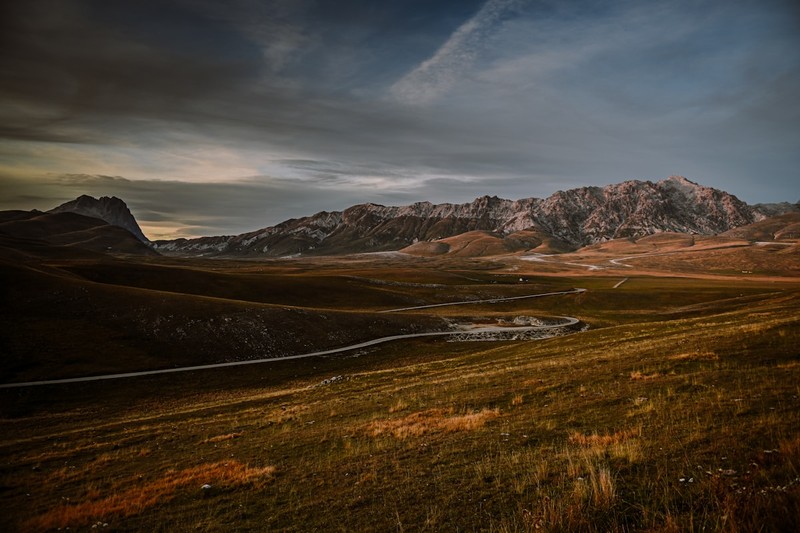
Campo Imperatore is a high-altitude plain surrounded by the peaks of the Gran Sasso massif. The hiking here is serious and rewarding. Trails cross wide open grasslands dotted with wildflowers and sheep, then climb into alpine terrain with views that stretch to the Adriatic. This is real wilderness—no gift shops, no cafes, just you and the mountains. Best in late spring through early autumn, but be prepared for snow patches at higher elevations even in June. Agriturismos in the area are rustic and authentic, many offering local lamb dishes and homemade cheeses. This is not the place for luxury; it is the place for raw, beautiful hiking.
4. Val d’Orcia – The Crete Senesi Loop – Tuscany
Region: Tuscany
Nearest town: Pienza / Montalcino
Suggested agriturismo type: Vineyard agriturismo with a pool
Distance: 15 kilometers (loop)
Difficulty: E (easy to moderate)
Elevation gain: 250 meters
This is not a technical hike, but it is a wilderness experience in the sense that you will walk for hours through some of the most iconic landscapes in Italy without seeing another person. The Crete Senesi are the clay hills south of Siena, and the trails here wind through fields, cypress groves, and isolated farmhouses. The best route starts near Pienza and loops through the valley of the Asso River. It is perfect for a half-day hike followed by a long lunch at the agriturismo. Spring and autumn are ideal. Summer can be brutally hot on these exposed hills, so hike early if you come in July or August.
5. Monte Cucco – Umbria
Region: Umbria
Nearest town: Sigillo / Costacciaro
Suggested agriturismo type: Hilltop farmhouse near the Monte Cucco Park
Distance: 10 kilometers (loop)
Difficulty: E (moderate)
Elevation gain: 400 meters
Monte Cucco is a lesser-known peak in the Umbrian Apennines, and it offers some of the best wilderness hiking in the region. The trail loops through beech forests, across high pastures, and along the edges of the mountain’s famous karst system. The views from the summit stretch across Umbria and into Le Marche. The area is popular with paragliders, but the trails themselves are quiet. Best in late spring and autumn. The Monte Cucco Park has clear waymarking, and there are several agriturismos in the foothills that cater specifically to hikers. This is a true gem for anyone looking for hiking trails rural Italy that still feel undiscovered.
How to Choose the Right Trail for Your Fitness Level
Here is a simple way to match yourself to the right trail.
If you are a day hiker comfortable with moderate distance and elevation: The Val d’Orcia loop and the Sentiero del Viandante sections are your best bets. Both offer beautiful scenery without demanding extreme fitness. You can finish by early afternoon and still enjoy the agriturismo pool.
If you are a seasoned trekker looking for a challenge: The Gran Sasso routes and Monte Cucco will give you exactly what you want. These trails require proper boots, good navigation skills, and a realistic understanding of your own limits. Do not underestimate the elevation gain.
If you are hiking with a partner who is less experienced: The Gola della Rossa is a strong choice. It is moderately challenging but not technical, and the scenery is dramatic enough to keep everyone motivated. Alternatively, split your trip: one day on a harder trail, the next on an easier one.
One nuance worth noting: terrain matters more than distance. A 10-kilometer trail with 500 meters of ascent on loose rock will take longer and feel harder than a 15-kilometer trail on a well-graded path. When in doubt, choose the shorter trail with less elevation. You can always add an extra loop if you finish early.
Gear You Should Pack for Hiking in Rural Italy
Italian wilderness trails are not groomed nature paths. They are often rough, steep, and poorly maintained in sections. Pack accordingly, or you will have a miserable day.
Sturdy hiking boots. This is non-negotiable. Trail runners might work on well-graded paths in the Val d’Orcia, but on the Gola della Rossa or Gran Sasso, you need ankle support and good tread. Look for boots with a Gore-Tex lining for spring and autumn conditions. A pair from a reliable brand like Salomon or Lowa will serve you well.
Hydration pack or water bottles. Many trails in rural Italy lack reliable water sources. Carry at least 1.5 liters per person for a half-day hike, and more for full-day routes. A hydration bladder is convenient because you can drink without stopping, but bottles are easier to refill. Bring both if you have the space. A hydration pack for hiking is a practical way to stay hydrated without extra weight.
Sun protection. The Italian sun is strong at altitude, and many trails are exposed. Pack sunscreen with at least SPF 30, a wide-brimmed hat, and polarized sunglasses. Do not skip this even on overcast days.
GPS or paper map. Cell service is unreliable in many of these areas. Download offline maps on your phone before you leave the agriturismo. In areas like Gran Sasso or Monte Cucco, also carry a paper map as a backup. CAI maps are available at local tourist offices and are usually accurate.
Lightweight backpack. A 20–30 liter pack is ideal for day hikes. Look for one with a hydration sleeve and decent hip support. Brands like Osprey and Deuter make reliable options.
Snacks. Carry more than you think you will need. High-energy bars, nuts, dried fruit, and chocolate are all good choices. Many agriturismos will prepare a packed lunch if you ask the night before. Take advantage of this—it will be better and more authentic than anything you can buy at a trailhead shop.
Do not overpack. Strip down to the essentials. A heavier pack means a slower, more exhausting hike. Lightweight daypack for hiking options make it easier to keep your load manageable.
Common Mistakes When Hiking Near Agriturismos
Underestimating trail length and difficulty. The most common mistake. A trail description that says ’12 kilometers’ sounds manageable. But if that includes 800 meters of elevation gain on loose terrain, it is a full-day commitment for a fit hiker. Always look up the actual specs, not just the name.
Relying solely on phone maps. Cell service disappears quickly in valleys and canyons. The Gola della Rossa, for example, has almost no reception. Download offline maps before you leave the agriturismo, and carry a backup battery.
Not checking agriturismo hours. Many agriturismos serve meals at fixed times. If you arrive back at 5 PM and lunch finished at 2 PM, you may need to drive to a nearby town for food. Ask about meal times when you book, and request a packed lunch if you plan to be out all day.
Choosing a trail too far from your base. An hour’s drive each way turns a day hike into a logistical chore. Stay within 30 minutes of the trailhead. That is the sweet spot for a relaxed hiking day.
Ignoring weather warnings. Summer thunderstorms roll in quickly in the mountains. Check the forecast before you head out. If thunderstorms are predicted, postpone the hike or choose a lower-elevation route. Lightning on exposed ridges is a real danger.
How to avoid all of these. Research the trail thoroughly, have a backup plan, talk to the agriturismo owner about conditions, and always tell someone where you are going. Simple precautions make all the difference.
How to Combine Your Hike with an Agriturismo Stay
The best rhythm for a hiking and agriturismo trip is simple: hike in the morning, relax in the afternoon, and eat well in the evening.
Start early. Italian summers are hot, and even spring afternoons can become warm. Aim to be on the trail by 7:30 or 8 AM. That gives you four to five hours of hiking before the heat peaks. You will also see more wildlife early in the morning.
Many agriturismos offer packed lunches if you request them the night before. This is a small gesture that makes a huge difference. Instead of eating a sad sandwich from a gas station, you get homemade bread, local cheese, cured meat, and fresh fruit, all wrapped in a cloth napkin. Eat it on the trail, or find a viewpoint and sit for 30 minutes.
Return to the agriturismo by early afternoon. If your property has a pool, use it. If not, a shower and a cool room are enough. Dinner is served late in Italy—usually around 8 PM—so you have time to rest, read, or watch the sunset over the hills.
This rhythm works because it respects both the demands of the trail and the traditions of Italian rural life. You get a proper hiking day and a proper agriturismo experience. Neither is rushed.
Agriturismo Accommodations Near These Trails: What to Look For
Not every agriturismo is a good hiking base. Here is what separates a convenient one from a frustrating one.
Proximity to trailhead. Look for agriturismos within a 30-minute drive of the trail you want to hike. Anything beyond that becomes a pain. If the agriturismo is on a trail network itself, even better.
Parking. You will need a car to reach the trailhead in almost every case. Make sure the agriturismo has secure off-street parking. Some rural properties have very limited space.
Early breakfast options. If you want to start hiking at 7 AM, you need breakfast before then. Some agriturismos offer a flexible breakfast schedule. Others serve breakfast at 8:30 AM sharp. Ask about this before booking.
Packed lunch service. This is a sign of a hiker-friendly agriturismo. If they offer packed lunches, they understand what you need.
Drying facilities. You will get sweaty on the trail. Your boots might get wet. A place where you can hang your gear to dry overnight is a simple convenience that matters.
Local trail knowledge. The best agriturismo hosts know the trails in their area. Some have maps, offer advice, or even guide hikes. Ask when you book if the owner or staff are familiar with local hiking routes.
Here is a quick comparison of agriturismo types for the five trails:
| Trail | Best Agriturismo Type | Key Factor |
|---|---|---|
| Sentiero del Viandante | Hillside farmhouse with lake view | Proximity to Colico or Varenna |
| Gola della Rossa | Olive grove farmhouse | Close to gorge entrance in Genga |
| Gran Sasso – Campo Imperatore | Rustic stone farmhouse | Altitude and authenticity |
| Val d’Orcia Loop | Vineyard agriturismo with pool | Comfort after a day in the hills |
| Monte Cucco | Hilltop farmhouse near the park | Direct access to trails |
Seasonal Considerations for Hiking in Rural Italy
Spring (April to June) and autumn (September to October) are the best seasons for hiking near agriturismos. Temperatures are mild, wildflowers are in bloom in spring, and the crowds are thin. Autumn brings harvest season in many agriturismos, which means excellent food and wine alongside good hiking conditions.
Summer (July and August) can work if you choose high-altitude trails like those in the Gran Sasso, where the temperature is cooler. Lowland trails in Tuscany or Le Marche become brutally hot by midday. If you must go in summer, start before sunrise and finish by 11 AM.
Winter (November to March) is mostly off-limits for wilderness hiking in these regions. Many trails are snow-covered or muddy, and agriturismos close for the season. Some lower elevation trails in Tuscany or the coastal areas of Le Marche may still be passable on dry days, but do not plan a winter hiking trip around agriturismos unless you have confirmed they are open and the trail is accessible.
Also understand that many small agriturismos close between November and March. Even if they stay open, services may be limited. Check directly with the property before booking for a winter stay.
Final Tips for a Successful Wilderness Hiking Trip
Download offline maps before you leave the agriturismo. Cell service is not reliable in remote areas, and you do not want to be navigating with a frozen phone screen.
Carry cash. Many rural shops and even some agriturismos in very remote areas do not accept credit cards. You will need cash for trailhead parking fees, small purchases, and emergencies.
Learn a few Italian phrases for trail use. ‘Dove va questo sentiero?’ (Where does this trail go?) and ‘È segnato bene?’ (Is it well-marked?) will help you get information from locals.
Always tell someone at the agriturismo your planned route and expected return time. If something goes wrong—a twisted ankle, bad weather, a wrong turn—they are your lifeline. This is not dramatic advice. It is the standard practice of experienced hikers everywhere.
And finally, pace yourself. This is not a race. You are in Italy to experience the land, not to conquer it. Walk slowly enough to notice the wild orchids, the fox prints in the mud, the smell of pine after rain.
Compare Your Options and Plan Your Trip
You now have a curated list of wilderness trails, a framework for choosing the right one, and a clear sense of what makes a good agriturismo base. The next step is comparing your options and making decisions that fit your fitness level, your budget, and your travel dates.
Which trail fits your style? If you want dramatic mountain scenery, the Gran Sasso is your trail. If you prefer classic Tuscan landscapes, the Val d’Orcia loop delivers. For a gorge walk that feels genuinely wild, the Gola della Rossa is unmatched. And for a quiet, lesser-known alternative, Monte Cucco in Umbria is a gem.
My honest take: don’t let perfect be the enemy of good. Pick something and start.
Compare these trails side by side. Look at the agriturismos near each one. Consider your fitness level, the season, and the kind of experience you want. Then book your agriturismo, pack your boots, and get ready for a wilderness hiking trip that feels like it belongs to you alone.