
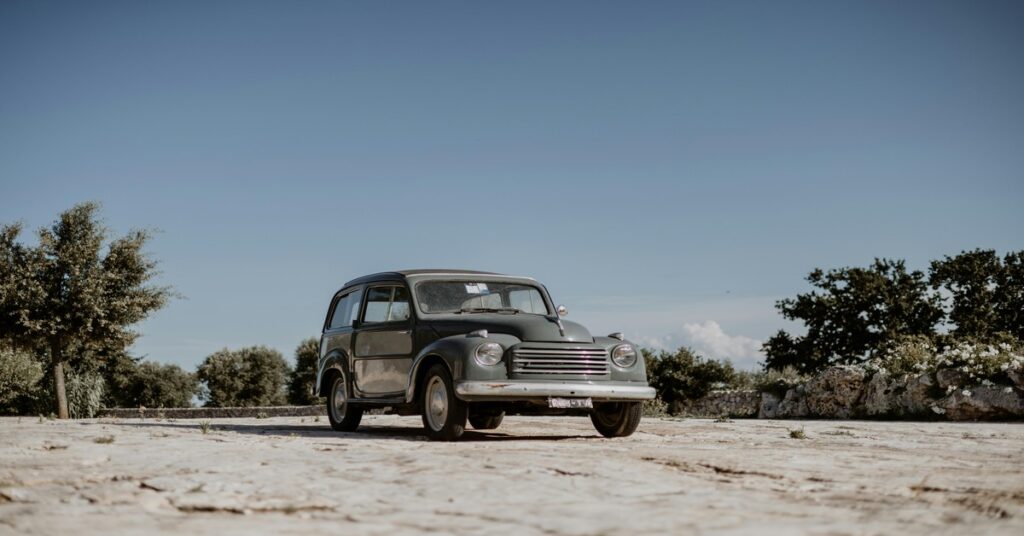
Driving in Rural Italy Tips for Reaching Your Agriturismo
Driving to a rural agriturismo in Italy can be one of the best parts of the trip. But it has its moments. Once you leave the autostrada and head into the hills, the road gets narrow, the GPS starts guessing, and that farmhouse you booked might be at the end of a one-lane gravel track. These driving in rural Italy tips are for anyone heading off the main highways for the first time. We’ll cover rental cars, ZTL zones, unpaved roads, and what to do if something goes wrong. The kind of things you actually need to know before you point the car toward the hills.
Choosing the Right Rental Car for Rural Roads
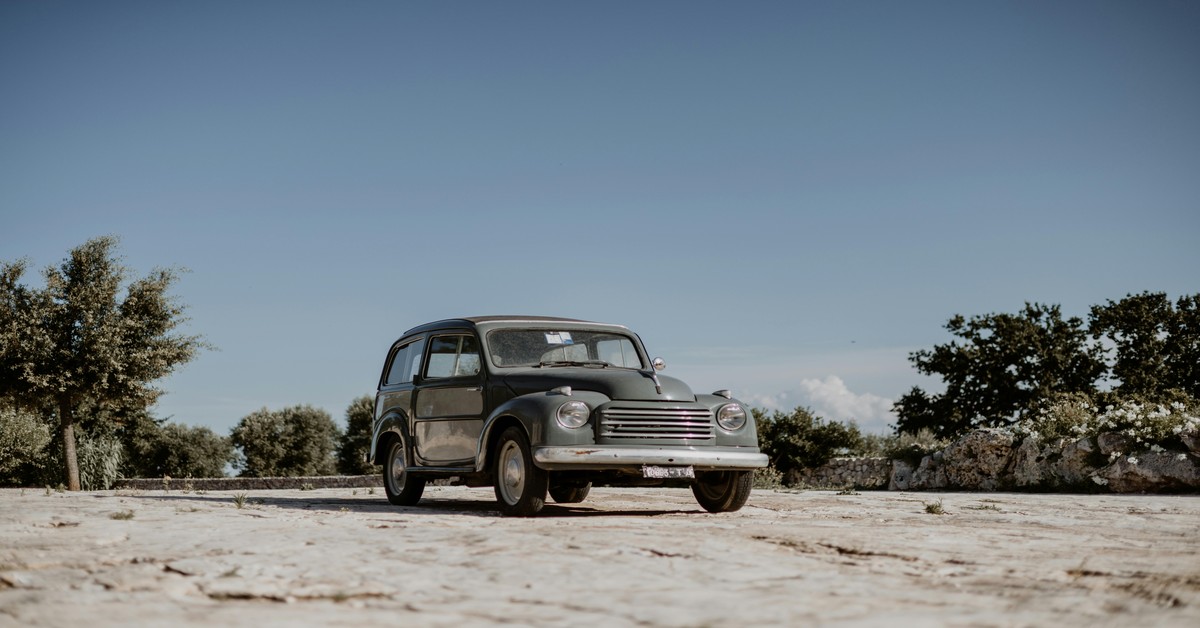
The biggest mistake I see is renting a big car for a week in Tuscany. You want the smallest thing that fits your family and luggage. A Fiat 500 or a Panda works on most rural roads. These cars were made for these conditions — narrow lanes, tiny parking spots, and switchbacks that make a sedan feel like a boat.
There’s a tradeoff between comfort and getting around. A small hatchback won’t feel as solid on the highway, but once you hit the white roads (strade bianche) leading to your agriturismo, you’ll be glad. If you know how to drive manual, book manual. Automatics are harder to find in Italy and cost more. Some local agencies don’t have them at all. Diesel is fine for long distances, but if you’re just hopping between villages, petrol is simpler and cheaper.
Related: Smart Italy Travel Insurance Tips: Navigating Cancellation Policies for Your Trip | Agriturismo Safety Tips: Staying Safe on a Working Farm in Italy | Best Italy Navigation Apps: How to Navigate Rural Roads and Find Farm-Stays
Practical tip: you’ll want a reliable way to mount your phone for navigation. Holding it is illegal. A dashboard phone mount is a simple fix. If you’re worried about ground clearance, consider a small SUV like a Fiat 500X or a Renault Captur. Still compact, but higher off the ground for those unpaved drives.
Understanding ZTLs: Don’t Drive Into the Wrong Zone
ZTL stands for Zona a Traffico Limitato. These are limited traffic zones in historic centers. Only authorized vehicles are allowed. Cameras read your license plate at the entrance, and if you don’t have permission, fines run from €80 to over €300. Worse, the ticket can take months to arrive — often after you’re home.
The most common mistake is trusting Google Maps. It’ll happily route you through a medieval village without warning about ZTL gates. Waze is better because it has user-reported alerts, though it’s not perfect. Safest bet is to park outside the town walls and walk. Look for blue parking lines (paid) or free white lines outside the center.
I once drove into a small hill town in Liguria and only realized because a local started waving at me. I was maybe three meters from a ZTL camera. Not an experience you want. Check the town’s website or ask your agriturismo host about parking. They’ll tell you where to leave the car.
Navigating Narrow Roads and Unpaved Stretches
Rural Italian roads aren’t forgiving. You get single-lane passes, hairpin turns without guardrails, and the occasional tractor hauling hay. The last kilometer to many agriturismos is unpaved — gravel, dirt, or loose stones after rain. Not the place to drive aggressively.
Here’s the reality: you will have to back up. Two cars approaching on a narrow road means one reverses until there’s room. If you’re closer to the edge, you’re probably the one backing up. Locals know these roads and will be faster. Let them pass. Don’t fight for right-of-way. It’s not worth the scratches or the stress.
If your rental has low ground clearance, be careful on gravel. Stones can chip the undercarriage. A small SUV or crossover helps here. But even a Fiat Panda handles it if you take it slow. The key is not to rush. You’re on vacation. Let the drive be part of the trip.
GPS and Navigation: Best Tools for the Countryside
Cell reception drops as you leave the valley floors. I’ve been in Umbria with zero signal for twenty minutes while the GPS tried to find a route. That’s why offline maps are non-negotiable. Google Maps lets you download specific regions. Maps.me and OsmAnd use OpenStreetMap data and often show trails Google misses.
Waze is good for traffic and ZTL alerts, but useless without signal. If you rely only on Waze, you’ll get lost on a remote stretch. My advice: use Google Maps online in towns, and have OsmAnd or Maps.me downloaded for the countryside. Some dedicated GPS units like TomTom come with offline maps, but a phone with offline maps is enough for most people.
Another trick: many agriturismos have vague digital addresses. The booking might say ‘Località Podere 45’ which means nothing to GPS. Ask the host for coordinates or use what3words. It assigns a three-word address to every three-meter square. Type ‘///loads.mingle.gladiators’ and you end up exactly where you need to be.
What to Know About Italian Road Signs and Rules
The basics: stop signs say ‘Fermarsi e Dare Precedenza’ (stop and give way). Give way signs are inverted red triangles. Speed limits are 130 km/h on highways, 90 km/h on main roads, 50 km/h in towns. But there are details that catch tourists.
At roundabouts, give way to cars already inside — standard in Europe, but can confuse American or Canadian drivers. Always signal your exit. On highways, the left lane is for passing only. Italians drive fast but they’re disciplined about this. Stay right unless overtaking.
Headlights on outside towns is common in many regions, especially in tunnels and rain. Some rental cars have automatic lights. If not, get in the habit of turning them on when you leave a village. It’s not always enforced, but it’s safer and helps other drivers see you on winding roads.
Pulling Over and Parking at Rural Agriturismos
When you reach your agriturismo, parking isn’t usually a paved lot. Most farm stays have a designated area — a gravel patch, a steep driveway, or a tight spot behind a barn. Sometimes you park at the top of a hill and walk down to your room. Normal.
Email the host about your car size before you arrive. If you rented a large SUV and the spot is tight, you’ll be wedging in. Many agriturismos are on hillsides, and parking can involve a slope. If you’re not comfortable, ask if there’s another option.
A common mistake: assuming there’s street parking outside the gate. The road is often too narrow. Use the host’s designated area even if it seems inconvenient. They know the terrain.
Fueling Up: Stations and Payment Cards
Fuel stations in rural areas aren’t like autostrada stations. Small towns often have a two-pump station open limited hours. Some are self-service only and require a chip and PIN credit card. Many foreign cards don’t work at these unattended pumps. The reader may reject your chip or ask for a PIN your bank doesn’t support.
Solution: carry cash. Euro notes work at almost all manned stations. Keep in mind the Italian habit of closing for lunch — many stations shut down between 12:30 and 15:00. If you’re driving on Sunday, fill up Saturday. Sundays in rural Italy feel closed, and running low on fuel with no station for twenty kilometers is a pain.
Fill up before heading into remote areas. The price difference between stations is small, but the convenience difference is huge. Some prepaid travel cards like Revolut or Wise work reliably at Italian pumps, but test yours near the airport before heading inland.
In Case of Trouble: Towing, Breakdowns, and Help
Breakdowns happen. If you break down in a remote area, call the rental company first. They have roadside assistance numbers for Italy. Write that number down before leaving the airport. Don’t rely on finding it in the glove box later.
Many credit cards include European breakdown cover. Check yours before you travel. Some reimburse you for towing or repairs if you pay upfront. That said, roadside assistance in rural Italy can take time — sometimes an hour or more if you’re far from a town.
Before you drive, check if your rental has a spare tire (many come with a puncture repair kit instead) and know how to use it. If it has run-flat tires, you’re set, but most Fiat Pandas don’t. A tire sealant kit helps with a slow leak on gravel. Also, keep water and snacks in the car. It sounds silly, but if you’re stuck for an hour, you’ll be glad.
Renting a Car from the Airport vs. Local Agencies
Renting at a major airport is convenient — step off the plane and there’s a desk. But prices are higher, and the car selection leans toward midsize sedans not ideal for rural roads. You’ll pay extra for GPS or additional drivers that smaller agencies include.
Local agencies in regional towns or train stations often have better rates and smaller cars. For example, flying into Florence but heading to Chianti? Take the train to a smaller town like Pontassieve or Greve in Chianti and rent there. The savings can add up, and you get a car more suited to the terrain.
The tradeoff is less English support. If you’re not comfortable with Italian or translation apps, stick with a well-known chain at the airport. Local agencies sometimes have limited weekend hours too. Plan accordingly. But for a Fiat Panda at a fair price, the local place is often the better choice.
Driving Etiquette: How to Drive Like a Local
Italian drivers in rural areas are generally patient with tourists. Up to a point. They understand visitors aren’t used to the roads. But they drive fast on roads they know. If you’re going too slow, they’ll tailgate or flash lights. Don’t take it personally. Pull over at the first safe spot and let them pass.
On narrow roads, you don’t have right-of-way just because you think you do. If another car is coming, especially if they’re going uphill, give way. Better to reverse fifty meters than argue. Use your horn gently on blind corners — a short toot is common practice and signals your presence.
One mistake: speeding up on a straight stretch right after a curve. Don’t. Italian roads often have hidden driveways or farm exits. Brake before corners, not during them. Use turn signals at roundabouts. These small habits make a difference.
Luggage and Practical Accessories for the Trip
A few small items help. A car phone mount is essential — you’ll use your phone for navigation constantly. I like a magnetic mount that attaches to the air vent. Works with most cases and doesn’t damage the dashboard. A 12V USB car charger is also vital because rural driving drains phone batteries fast, especially with GPS on.
Consider a paper road map as backup. It sounds old-fashioned, but if your battery dies or signal cuts out, a map gets you to the next town. A sunshade for the windshield helps if you park uncovered in summer heat. Italy gets hot, and returning to a baked car is unpleasant.
A small first-aid kit is never a bad idea. Not for drama, just for scrapes and headaches. Inexpensive and stores well in the glove box.
Ready to Drive? Plan Your Stay at the Right Agriturismo
The best way to avoid driving stress is to choose an agriturismo with easy access. Look for properties that mention ‘easy parking’ or ‘accessible road.’ Many farm stays in Tuscany and Umbria are on well-maintained gravel roads just off paved routes. Others are at the end of challenging tracks. Read reviews — if someone mentions ‘the road was rough,’ take it seriously.
We feature farm stays with clear driving directions, dedicated parking, and English-speaking hosts. If you want a stress-free arrival, start there. Once you find the right place, check availability directly or through a trusted booking partner. A little planning before you drive means less time worrying about directions and more time enjoying the olive groves.