
So, What Exactly Is a Sagra? (And How It’s Different from a Festival): Italy Village Sagre Guide
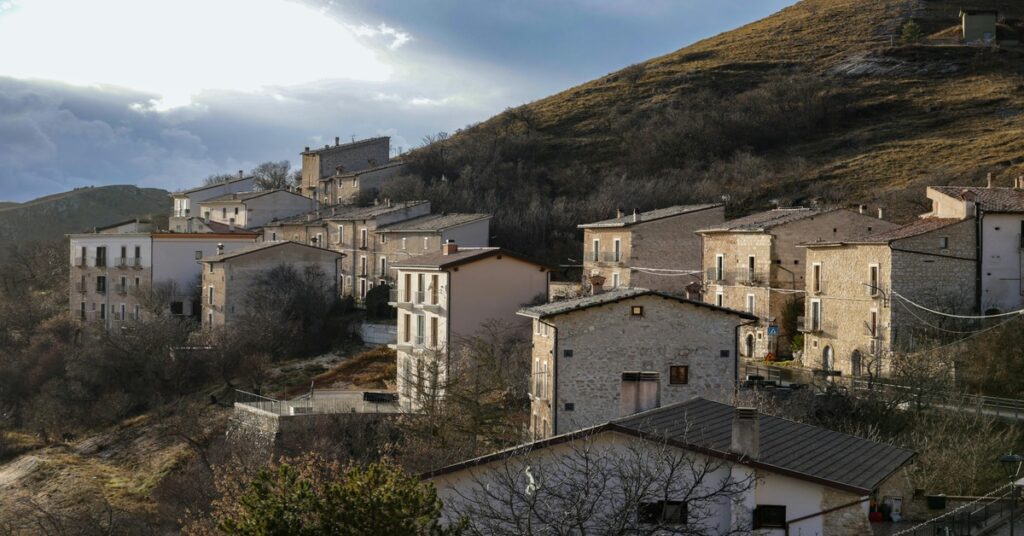
You’ll hear “sagra” (plural: sagre) a lot when talking about food in Italy. It’s not quite a street fair or a music festival. A sagra is a local celebration built around one specific food or farm product. Usually it’s tied to a harvest, a saint’s feast day, or an old rural tradition. Think of it like a village-wide dinner party with one glorious theme.
After working through this myself, I found a few things that textbooks don’t tell you.
The scale is small. A sagra might be in a single piazza, a field on the edge of town, or under a big tent. The focus is the food itself, not entertainment. There could be a small band, but what draws people is the hyper-local specialty: porcini mushrooms made the way the grandmothers do it, or a chestnut soup that’s been served for generations.
Related: What is an Agriturismo? Italy’s Unique Farm-Stay Explained | Driving in Rural Italy: Essential Tips for Reaching Agriturismos | Agriturismo Packing Essentials: Luggage and Shoes for Italy’s Rural Roads
The roots go way back. Many sagre trace to Roman harvest festivals or medieval religious processions where a village gave thanks for a good harvest. They’re not put on for tourists—they’re community events. That’s the key difference. Unlike the big Palio horse race in Siena or elaborate Carnevale in Venice, a sagra isn’t a spectacle. It’s real, unpolished Italian village life. And for a traveler? That’s gold.
Why Sagre Matter for the Traveler Seeking Real Italy
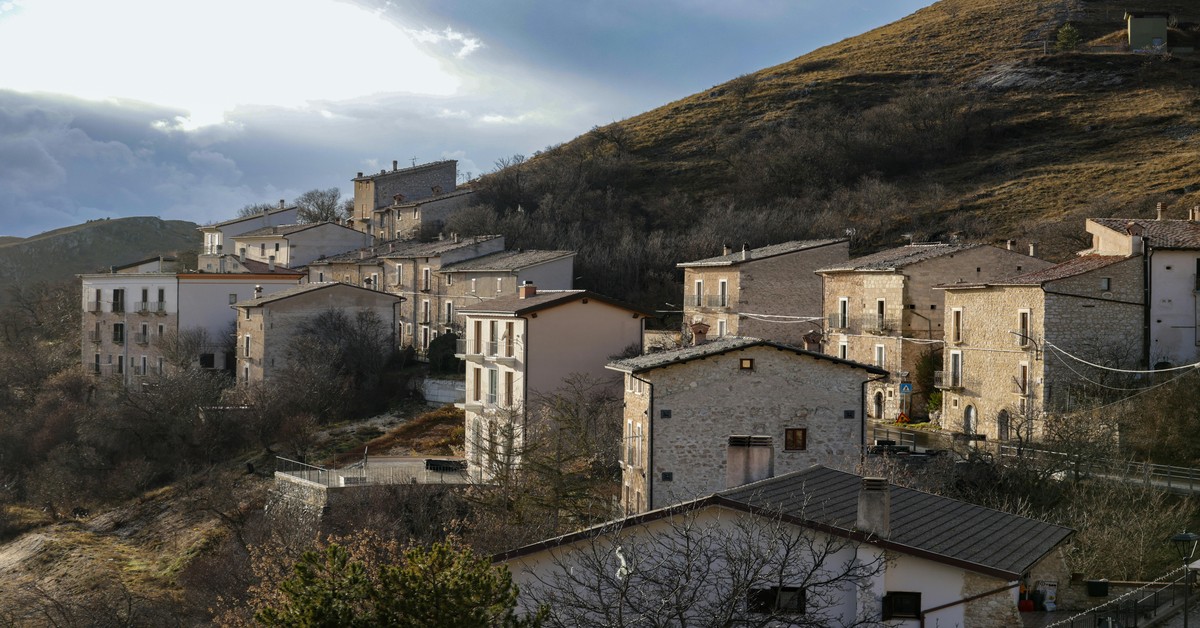
The practical value of a good sagra is hard to beat. First, the food is authentic and hyper-local. You’re eating the same pici pasta or wild boar stew the family has been making for decades, often prepared by people who grew the ingredients. The price is a fraction of what you’d pay in any restaurant. A full sit-down meal with wine might run €15–€25 per person. And the crowds? Light. Unless it’s a famously marketed truffle sagra in a tourist town, you’ll mostly be surrounded by locals. This is where you get the real Italy—the conversations, the stories, the genuine hospitality.
It’s not just cheap food and fewer crowds. It’s about access. A sagra can transform a travel day. You’re not just visiting a medieval hilltop village; you’re invited into its kitchen. You’re tasting local pecorino while the farmer explains how his sheep graze the nearby slopes. That kind of interaction doesn’t happen at a restaurant in Florence.
Logistics are simple. Most sagre run for one or two weekends. They’re often in the main square or a local campo sportivo. You show up, buy a ticket token, and enjoy. No complex planning. But you do need to know where to find them.
Types of Sagre You’ll Encounter (and What to Expect)
Here’s a quick guide to the most common types, broken down by what you’ll eat and when to go.
Truffle Sagre
Usually autumn (October–December) in regions like Tuscany, Umbria, and Piedmont. The famous one is the White Truffle Fair in Alba, but smaller village-level truffle sagre are common. Expect tartufo shaved over pasta, crostini with truffle butter, and truffle-infused oil for sale. These are sit-down dinners.
Porcini Mushroom Sagre
Also autumn, mostly in Tuscany, Emilia-Romagna, and the Alpine foothills. Porcini are a big deal. The sagra might have porcini risotto, grilled porcini, or pasta with porcini. Usually €15–€20 for a full meal. Some are street-fair style, some sit-down.
Chestnut Sagre
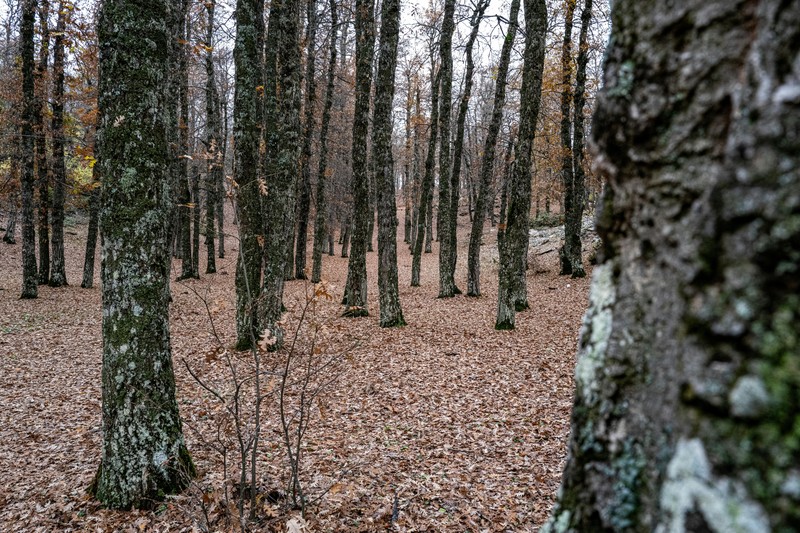
Autumn, in the Apennine mountains. Think caldarroste (roasted chestnuts), chestnut flour pasta, and chestnut soup. Very rustic, low-key, often in the village’s medieval center.
Olive Oil Sagre
Late autumn (November–December) after the olive harvest. More about tasting and buying than a full meal. You’ll find fresh olive oil, bruschetta, and local producers. Great for picking up a high-quality bottle.
Wine Sagre
Spring or autumn, depending on the region. Often paired with a local food (e.g., Sagra del Vino e del Pecorino). Wine stands, simple food, lots of tasting. Be ready for strong, local wines.
Polenta Sagre
Winter, in northern Italy. Polenta is the star—served with stew, cheese, or mushrooms. A hearty, warming affair. Expect communal wooden tables and a wood-fired pot of polenta.
Wild Boar Sagre
Autumn and winter, in Tuscany, Umbria, and parts of central Italy. The wild boar (cinghiale) is the draw, often slow-cooked in tomato sauce or grilled. A meat lover’s dream.
Pasta Sagre
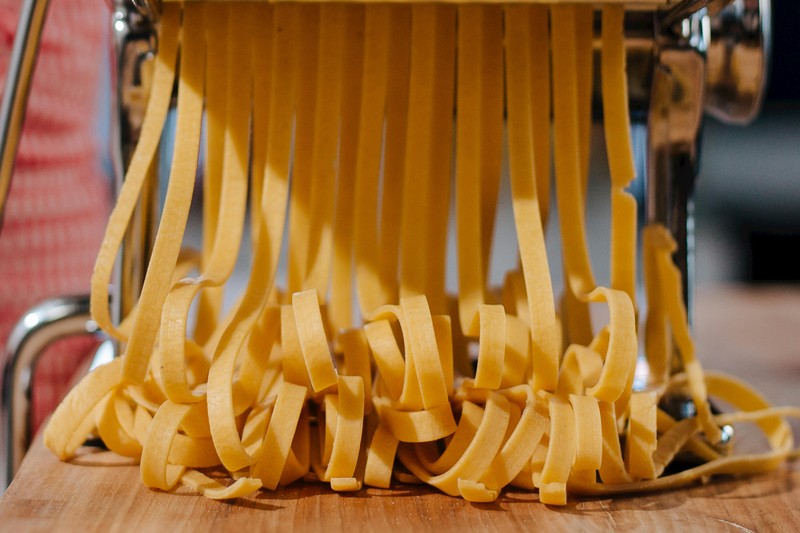
Year-round, often tied to local shapes. Examples: Sagra del Pici in Tuscany, Sagra dello Gnocco in Emilia, Sagra delle Orecchiette in Puglia. Pure comfort food, usually in a piazza with a simple pasta dish and a glass of red wine.
Seafood Sagre
Summer, along the coasts (Liguria, Sicily, Puglia). Grilled fish, fried anchovies, seafood pasta. These can be larger, more festival-like.
Cheese Sagre
Spring or autumn, in cheese-making regions like Tuscany, Sardinia, and Piedmont. Pecorino is the most common. You’ll sample different ages, pair with honey or jam, and often buy wheels to take home.
How to Find Sagre Dates and Locations Year After Year
This is the trickiest part. Sagra dates shift every year. They’re often tied to the local saint’s feast day, which is fixed, but the exact weekend varies. Most village websites are… not great. But don’t give up.
Start with the big databases. The best for English speakers is Sagre in Italia. It’s in Italian but very visual. You can filter by region and month. Another solid one is Eventi Sagre. These sites are updated yearly, but always double-check—an event listing might be from two years ago.
Go to the source: the local Pro Loco website. The Pro Loco is the local tourism association that organizes many sagre. Search for “[town name] Pro Loco” and you’ll find their site. They usually post the calendar a few weeks ahead, making this the most reliable method.
Use the comune website. Every Italian village has a comune (municipal) website. It’s often clunky, but it has a “Cultura e Turismo” or “Eventi” section. This is the official source. If it’s listed on the comune site, it’s likely happening.
Check local Facebook groups. Search for “[region or town] sagra” or “[region] eventi di paese.” These groups are very active and post updates in real-time. You’ll get the most current info here, though it requires some Italian.
Biggest mistake: Relying on Google for old results. A sagra that was popular in 2021 might not happen this year. Confirm the current year’s date from the Pro Loco or comune website. And don’t trust third-party tourism sites that never update their content.
Something I noticed right away: the more expensive option isn’t always the better fit.
Best Months to Plan Your Trip Around Sagre
The sagra calendar is seasonal. Here’s a month-by-month guide to the best experiences.
Spring (April–May)
Spring is for asparagus, strawberries, and olive oil. You’ll find Sagra dell’Asparago in many northern towns, and Sagra della Fragola (strawberry) in central Italy. New olive oil sagre start in late May. Spring is also good for cheese sagre—pastures are lush.
Summer (June–August)
Peak season for seafood, cherries, and grilled meats. Coastal towns have Sagra del Pesce (fish) and Sagra delle Cozze (mussels). Inland, you’ll find cherry and peach sagre. Many are outdoor, evening events. The weather is warm, but so are the crowds. If you’re in a popular beach area, expect more tourists.
Autumn (September–November)
This is the sweet spot. The weather is perfect—mild days, cool evenings. The main events are truffle, porcini, chestnut, and wine sagre. Tuscany and Piedmont are at their best. This is the season for serious food lovers. Crowds are smaller than summer, but popular truffle sagre like Alba’s still draw big numbers.
Winter (December–February)
Winter is for polenta, pork, and hearty soups. The Sagra della Polenta in the northern mountains is a cozy affair. The Sagra del Maiale (pork) happens in many villages. These are less known, so more local. The weather is cold—dress warmly.
If you can only go once, aim for mid-October to mid-November in Tuscany or Umbria. That’s the peak for truffle, porcini, olive oil, and chestnut sagre. The villages are quiet, the food is memorable.
Logistics: Getting to a Sagra in a Small Village Without a Car
This is the single biggest challenge. Most sagre are in villages not well-served by public transport. A car is the best option. If you rent one, you have freedom—you can visit multiple sagre in a day, explore the countryside, and park easily (though see our tip below). Consider booking a car through a reliable service like DiscoverCars for competitive rates. They cover most Italian airports.
Without a car, it’s harder but not impossible. Regional trains get you close to larger towns, but then you need local buses or a taxi. The bus schedule is sparse, especially on weekends. A taxi might cost €20–€30 for a short ride. Some sagre near larger towns (like Chianti) have shuttle buses from the town center. Check the sagra’s Pro Loco page for details.
Organized tours can help. Look for food tours that include a sagra visit, especially in famous regions like Truffle Country. They handle transport and often include a guide—a good option if you’re not comfortable driving on rural Italian roads.
Parking pro tip: Sagre are popular with locals. If you drive, you’ll often park on a dirt road or a field. Bring a small flashlight for the walk back. Arrive early for the best parking spots—those close to the event. By 8 PM, the sagra is often full and parking gets ugly.
Sagra Etiquette for First-Timers: What to Know Before You Go
A few norms will make your first sagra smooth.
Buy a ticket token. Almost all sagre use a chipping (token) system. Buy food and drink tickets at a central booth, then pay with them. Rarely do they accept credit or debit cards. Bring cash. A few sagre now take cards, but don’t count on it.
You sit down. This is the most common misconception. A sagra is not a street fair where you walk around with a paper plate. Most have long communal tables under a tent or in a piazza. You usually order a fixed menu (primo, secondo, contorno, dolce, wine) for a set price. You sit, eat, and socialize. A few sagre (like seafood ones) are more walk-around, but for the typical village sagra, it’s a sit-down meal.
Arrive early. The sagra starts at 7 PM or 8 PM. By 8 PM, the popular ones are full. Show up at 9 PM and you might be turned away. Get there early, get a seat, and enjoy the evening. The best food goes first.
Don’t overorder. Portions are generous. The menu is fixed for a reason. Start with the first course, then see if you want a second. Many first-timers order multiple courses and end up with a mountain of food they can’t finish. Share a meal if you’re not a big eater.
Limited English. Most sagra staff are volunteers from the village. They speak local dialect, not English. Use a translation app. Point at the menu. Smile. It works.
Be prepared for a long evening. This is not a quick bite. The sagra is a social event. The meal can take two hours. Enjoy the pace.
What to Bring to a Sagra: Gear and Essentials
Packing a small day bag helps.
- Foldable chair or cushion. Many sagre use wooden benches or plastic chairs. If you have a bad back or just want comfort, a small foldable chair or stadium cushion is a game-changer. A portable cushion can be useful.
- Reusable cup or wine bag. Some sagre provide a glass with the first wine, but bringing your own is smart. A collapsible cup or a collapsible travel cup is a practical addition to your bag.
- Insect repellent. Summer and early autumn sagre are outdoors. Mosquitoes are active in the evening. A small repellent is cheap insurance.
- Cash wallet. You need cash. Small denominations work best. Keep it in a secure pouch.
- Phone charger. You’ll be using your phone for translation, photos, and confirming the sagra location. A portable power bank can help if your phone runs low.
- Picnic blanket. If the sagra is in a field, the ground can be damp. A blanket gives you a clean spot to sit or place your bags.
- Lightweight rain jacket. Weather is unpredictable, especially in spring and autumn. A small packable rain jacket is all you need.
How to Build a Small Italy Itinerary Around Sagre
Planning a trip around sagre is simpler than you think. Here’s a framework.
1. Choose a base region. Pick one area—Tuscany, Umbria, Piedmont, or Emilia-Romagna. Each has a rich sagra culture. Don’t try to cover two regions in one trip—that’s too much driving and too little time.
2. Identify your sagra window. Use the month guide above. If you want truffle and wild boar, aim for mid-October to mid-November in Tuscany. If you want seafood and summer, go for July or August on the coast.
3. Cross-reference sagra dates with your accommodation. Once you know the region and month, use the finding methods above to list sagre happening during your travel dates. Then book accommodation within a 30-minute drive of each sagra. This gives you flexibility to attend multiple.
4. Build your itinerary with sagre as evening activities. Sagre happen in the evening. Your days are free for sightseeing, hiking, or visiting villages. Plan your day so you’re near the sagra village by 6 PM. After the meal, drive back to your accommodation or stay at a local agriturismo.
5. Leave flexibility. Sometimes a sagra is cancelled due to weather or low turnout. Have a backup plan—a good restaurant or a local wine bar. And don’t book non-refundable tours on sagra nights.
Sample 5-Day Itinerary: Chianti Truffle Sagra in November
Base: Greve in Chianti or a nearby agriturismo.
Day 1: Arrive in Florence, pick up rental car (affiliate link), drive to Greve. Evening: welcome dinner at a local trattoria.
Day 2: Morning at Castello di Verrazzano winery. Afternoon explore Greve market. Evening: Sagra del Tartufo in a nearby village. Check Pro Loco for exact date.
Day 3: Day trip to Siena. Evening: another sagra, maybe porcini if nearby.
Day 4: Morning at a local olive grove. Afternoon visit a smaller hilltop village. Evening: last sagra dinner.
Day 5: Drive back to Florence for departure.
This itinerary avoids overplanning. You have time to enjoy the sagre without rushing. The agriturismo gives you a peaceful base.
Common Misconceptions About Sagre (and What to Avoid)
Let’s clear up a few myths.
Myth 1: “All sagre are tourist traps.” False. The famous ones near Florence, Siena, and Cortona can be tourist-heavy, but the vast majority are local. Avoid the names you see on every blog. The real gems are in tiny villages off the main tourist trail. If you’re in Tuscany, skip the Sagra del Tartufo Bianco in San Miniato (touristy) and look for one in a village like Volterra or Casole d’Elsa.
Myth 2: “Every sagra has wine.” Not always. Many only serve wine with the fixed menu. Some are dry (no alcohol). If you want a drink, check the sagra’s Facebook page or ask. A bread and wine sagra will have wine; a mushroom or chestnut sagra might not.
Myth 3: “Sagre are free.” No. There’s usually a small entry fee (€5–€10) or a ticket cost for the meal. The food itself is cheap, but not free. Budget €15–€25 per person for a full meal with wine.
Myth 4: “The food is always gourmet.” Not necessarily. Some sagre are simple—roasted pork or fried fish. Others are elaborate, particularly truffle sagre. Manage expectations. A sagra is about community, not Michelin-star cooking. But the local ingredients are always good.
What to avoid: Don’t expect a festival atmosphere. There’s no music stage or fireworks. It’s a quiet, community meal. If you want that, look for a festa (like a festa di paese), which is more festival-like with games and music. Sagre are about food and conversation.
Our Favorite Sagre Worth a Detour (By Region)
Here are a few sagre that are well-known but still authentic. They’re worth the drive.
- Tuscany: Sagra della Fagiolina in Grigliano (near Montepulciano) – September. A rare bean variety. The sagra is small, local, and serves a simple bowl of beans with olive oil and bread. Pure Tuscan soul food.
- Emilia-Romagna: Sagra dello Gnocco in Zocca (Modena) – September. Gnocco fritto (fried dough) and cured meats. A big event with lots of locals. Expect a line for the gnocco stand.
- Piedmont: Sagra della Polenta in Caraglio (Cuneo) – October. Polenta cooked in a giant copper pot over a wood fire. Served with wild boar or cheese. Very wintery and charming.
- Liguria: Sagra del Pesce in Camogli – May. A massive fish fry in the harbor. The crazy part? Cooked in a giant frying pan 4 meters wide. Tourist-friendly but still local in spirit.
- Umbria: Sagra della Porchetta in San Venanzo (Terni) – August. Porchetta (roasted pork) is the star. The whole village turns up. A loud, jovial affair with live music.
- Sicily: Sagra della Ricotta in Castel di Lucio (Messina) – June. Ricotta-making demonstrations, plus fried ricotta and pasta. A real insight into dairy traditions.
Pro tip: If you see a sagra in a village you’ve never heard of, it’s usually a good sign. The locals run it, not a tourism board.
Final Tips for Making the Most of Your First Sagra Experience
You’ve got the plan. Here’s the last piece of advice.
Go with an open mind. The menu might not be in English. You might not understand the organizer. But that’s the point. The experience is about being part of something genuine. Bring a translation app—Google Translate is fine—and use it to ask questions. People love to talk about their food.
Be ready for crowds at the popular ones. If a sagra is famous for truffles, expect lines. Arrive 30 minutes before the start time to secure a seat. If you’re hungry, eat a small snack beforehand. Service can be slow.
Don’t overplan. Serendipity works. If you’re driving through the Tuscan hills and see a yellow sign for a sagra, stop. Those are often the best memories. You can always find a seat.
And the most important tip: Strike up a conversation. The person next to you might be a local farmer or a nonna who’s been making that dish for fifty years. Listen. Ask about the ingredients. You’ll learn more in five minutes than in a whole restaurant experience.
After all the research and comparison, I’ve found that the simplest answer is usually the right one.
Ready to explore? Pick a region. Check the Pro Loco sites. Start building your itinerary. The right sagra is waiting for you.