
Introduction
Most travelers to Italy head straight for the coast or the major cities. That is a mistake if you want to see the country’s wild side. Abruzzo offers something different — a landscape of national parks, limestone peaks, deep forests, and villages perched on hillsides where life moves at the same pace it has for centuries.
I spent way too long figuring this out the hard way. Here’s what I wish I’d known from the start.
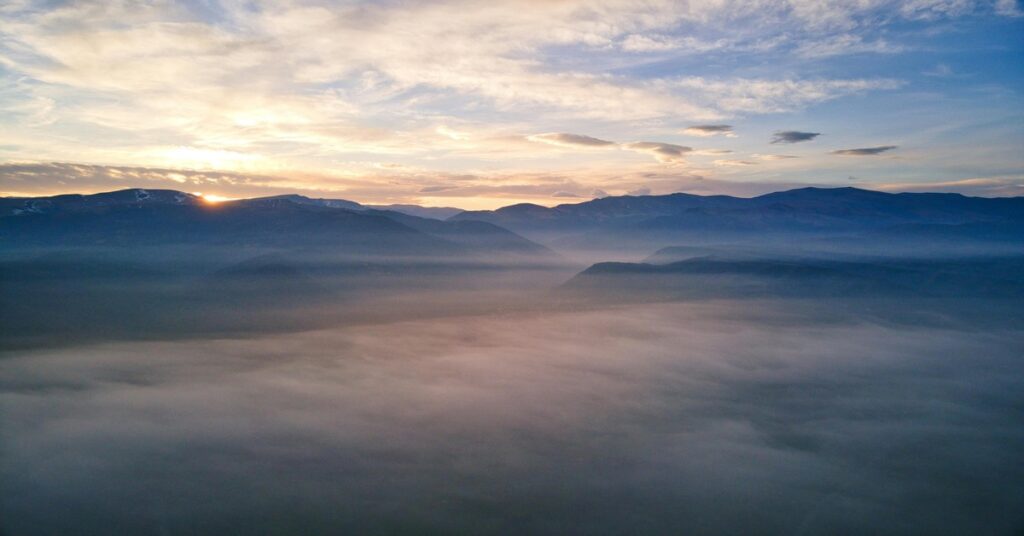
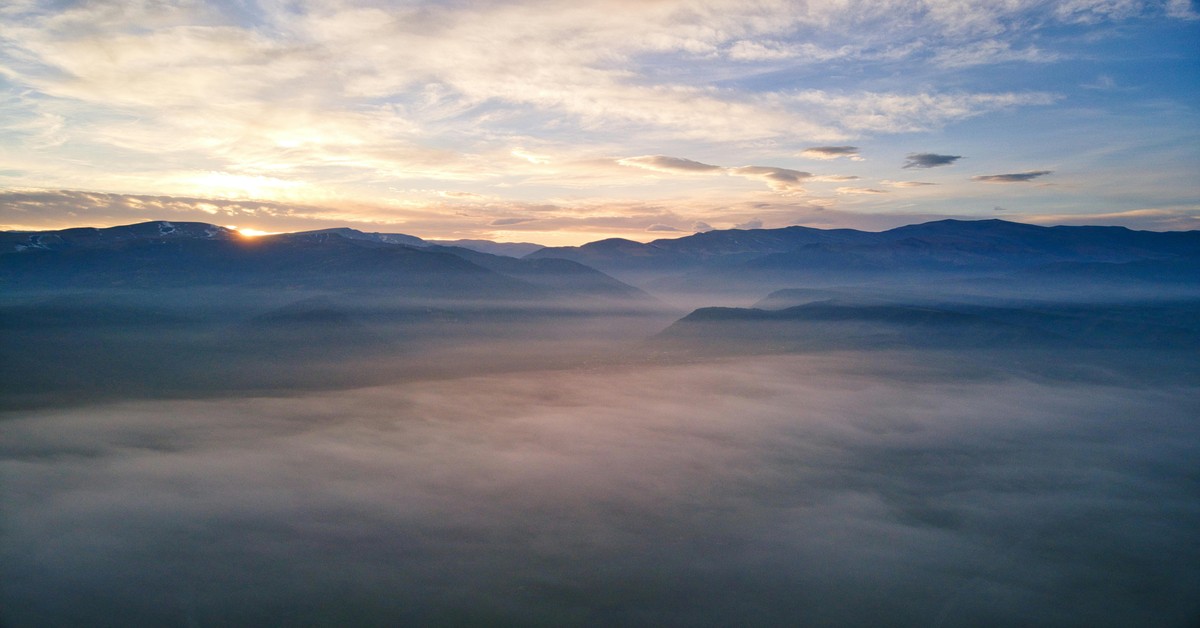
The best way to experience this is by booking an agriturismo abruzzo mountains property. These working farms and rural lodgings sit right at the edge of protected areas. You wake up to mist rolling off the mountains, eat breakfast with honey from the property’s hives, and plan your day around hiking trails or wildlife watching. This is for travelers who want substance over polish — real food, real landscapes, and a base that puts nature first.
Related: Traveling Italy by Train: How to Reach Farm-Stays Without a Car | Smart Italy Travel Insurance Tips: Navigating Cancellation Policies for Your Trip | Agriturismo Safety Tips: Staying Safe on a Working Farm in Italy
If you are already past the hotel-phase of travel and want a more grounded experience, a mountain agriturismo in Abruzzo is worth the planning effort.
Why Choose a Mountain Agriturismo Over a Coastal One in Abruzzo
The coastal side of Abruzzo — towns like Pescara, Vasto, and Francavilla al Mare — has its appeal. Beach clubs, seafood restaurants, and summer festivals draw crowds. But the coast gets hot, packed, and expensive in July and August. The mountains stay cooler, quieter, and more affordable through the same period.
The tradeoff is clear. Inland, you trade boardwalk nightlife for stargazing. You trade crowded beaches for trails where you might not see another person for hours. Meals shift from fried fish to roasted meats, hearty soups, and sheep’s milk cheeses. The produce is different too — wild asparagus, truffles, lentils, and chestnuts depending on the season.
If your priority is wilderness access instead of coastline relaxation, the mountains win every time. You also get better wildlife viewing. Marsican brown bears, Apennine wolves, golden eagles, and chamois all live in these parks. Travelers who want to maximize their sightings may want to bring a compact pair of binoculars to spot them from a distance.
That said, mountain agriturismos are not resorts. Expect basic accommodations, family-run atmospheres, and a slower pace of service. If you need constant entertainment or five-star amenities, this is not the right fit. But if you want to step out your door and onto a trail, it is exactly what you are looking for.
Top National Parks Near Abruzzo Mountain Agriturismos
Three national parks define the region. Each offers different terrain, wildlife, and access points. Choosing the right park matters for where you book your agriturismo.
Parco Nazionale d’Abruzzo, Lazio e Molise
This is the oldest and most famous park in the region. It is also the most accessible for first-time visitors. The park has well-marked trails, visitor centers with English information, and the highest concentration of Marsican brown bears in Italy.
Best agriturismos for access are near Pescasseroli, Opi, or Civitella Alfedena. These villages sit directly at park gates. Driving distances from agriturismos in this area to trailheads are usually under 15 minutes. You can easily spend a full day hiking and return for a farm dinner.
Gran Sasso e Monti della Laga
Gran Sasso is more dramatic — rugged peaks, high-altitude plateaus, and the Corno Grande, the highest peak in the Apennines. This park attracts more serious hikers and climbers. Wildlife includes chamois, golden eagles, and peregrine falcons.
Look for agriturismos near Santo Stefano di Sessanio, Castel del Monte, or the Campo Imperatore plateau. These locations put you at trailheads for some of the best high-mountain routes. Driving from these villages to trail starts is usually 10 to 20 minutes, but some require unpaved roads. A sedan works in summer, but you want a higher clearance vehicle in spring or fall.
Majella National Park
Majella is less crowded than the other two parks. It has deep gorges, beech forests, and abundant wildlife. The park is also known for its hermitages and ancient monasteries built into cliffsides.
Best agriturismos are near Caramanico Terme, Sant’Eufemia a Maiella, or Guardiagrele. These towns give you easy park access and the added benefit of thermal springs at Caramanico Terme. If you want to combine hiking with spa relaxation, this is the area to choose.
Something I noticed right away: the more expensive option isn’t always the better fit.
Best Agriturismos for Wildlife Watching in Abruzzo
Not every agriturismo in the mountains is positioned equally for wildlife viewing. You want a property that sits within or adjacent to park boundaries, has terrace views over valleys, and preferably offers guided dawn or dusk walks.
Agriturismo Lo Scrigno near Pescasseroli is a strong choice for bear and deer viewing. It sits at the edge of the national park. The owners organize early-morning wildlife excursions with a local guide. Best for: serious wildlife enthusiasts who want structured viewing experiences.
Agriturismo La Porta dei Parchi in Rivisondoli works well for birdwatchers. The property overlooks a valley where golden eagles and griffon vultures circle regularly. They also produce their own honey and cheese. Best for: birders and photographers who want a scenic base.
Agriturismo Valle Scannapieco near Caramanico Terme is set inside Majella National Park. The terrain around the property is perfect for spotting chamois and wild boar, especially near dusk. The owners are knowledgeable about local trails and can point you to less-traveled routes. Best for: hikers who want wildlife sightings as a bonus, not the main event.
When booking for wildlife, ask the property directly whether they have guided programs or recommended times for animal activity. Many agriturismos will not list this on their website but are happy to arrange it once you contact them.
What to Pack for a Mountain Agriturismo Stay in Abruzzo
Mountain conditions in Abruzzo shift faster than you expect. Mornings can be cold even in summer, and afternoon thunderstorms roll in without much warning. Pack accordingly.
- Layers — A lightweight fleece or merino wool mid-layer and a waterproof shell. Skip the bulky jackets. You want packable options that handle temperature swings. A good waterproof jacket is a practical investment for these conditions.
- Hiking boots — Trails are rocky and uneven. Trail runners work for well-maintained paths, but boots give you more ankle support on loose terrain. Look for waterproof models if you plan to hike in spring or fall.
- Binoculars — You will regret not bringing these. A compact 8×42 pair is enough for bear spotting or eagle watching. Do not rely on phone zoom.
- Insect repellent — Mosquitos and horseflies are active near water and in late afternoon. A DEET-based repellent works best, but picaridin is a good alternative if you prefer something gentler.
- Reusable water bottle — Many mountain agriturismos have potable water. Refill instead of buying plastic bottles. A 1-liter capacity is sufficient for day hikes.
These are not optional items. You can buy basic supplies in the villages, but specialty gear like binoculars and quality boots should be brought from home.
Mountain Honey Tasting: A Local Specialty You Shouldn’t Skip
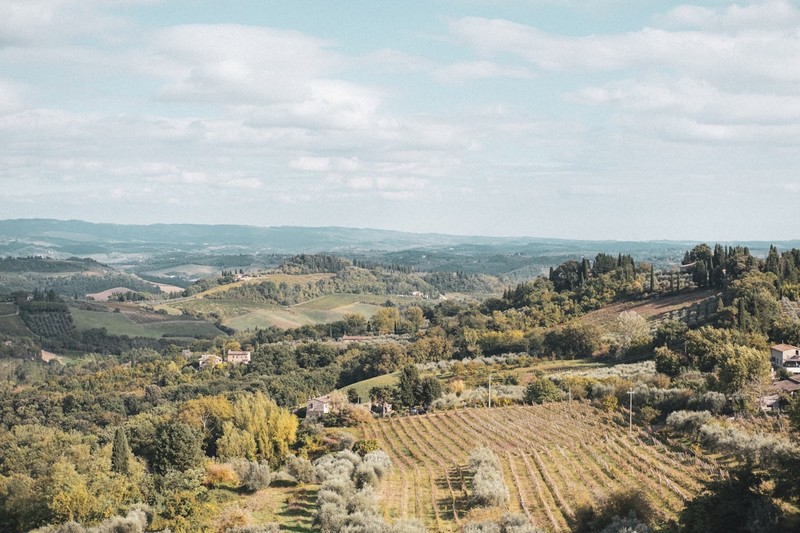
Abruzzo is one of Italy’s largest producers of high-altitude honey. The diverse flora in the national parks gives bees access to wild thyme, oregano, chestnut blossoms, acacia, and star thistle, depending on elevation and season. The result is honey with distinct flavors that vary by area and harvest month.
Not all agriturismos produce their own honey, but many source it from local beekeepers. You can usually buy it directly at the property. Prices range from 8 to 15 euros for a 500-gram jar depending on variety.
Millefiori honey (wildflower) is the most common and versatile. It works on bread, with aged cheeses, or stirred into tea. Chestnut honey is darker, stronger, and slightly bitter — pair it with pecorino cheese. Acacia honey stays liquid longer and is mild enough for breakfast. Thyme honey has herbal notes and is excellent with fresh ricotta.
If you want a property that produces honey, ask directly during booking. Agriturismi like La Porta dei Parchi and several near Castel del Monte maintain their own hives. Tasting is usually informal, but some properties will walk you through the different varieties if you show interest.
Mountain honey is also a great gift to bring home. It packs easily in checked luggage if kept in a sealed bag. Customs within the EU has no restrictions, but if you are traveling from outside, check local import rules for agricultural products.
Common Mistakes When Booking an Agriturismo in the Abruzzo Mountains
I see the same mistakes come up repeatedly with travelers new to this part of Italy. Here are the most common ones and how to avoid them.
Booking too late for bear season. Spring through early autumn is prime bear-viewing time. The best properties near Pescasseroli and Opi book months in advance. If you want a specific agriturismo for bear season, book at least four to five months ahead. Last-minute bookings lock you into less convenient locations.
Underestimating altitude temperatures. Villages above 1,000 meters drop to 10–12°C at night even in July. Pack warm sleepwear and a layer for evening dinners if your property serves meals outdoors. Many travelers show up with only summer clothes and end up cold after sunset.
Not checking if the property offers half-board meals. Some remote agriturismos have no restaurants nearby. Driving to a village for dinner after a long hike is exhausting. Properties that offer half-board (breakfast and dinner) save you time and money. Always confirm meal options before booking.
Assuming Wi-Fi is reliable. Internet in mountain agriturismos can be slow or intermittent, especially in valley locations. If you need to work remotely, ask the property to test the connection speed before you arrive. Do not expect to stream video or join video calls reliably.
How to Get Around: Driving vs. Guided Tours in Abruzzo
This decision shapes your entire trip. Each option has clear tradeoffs.
Renting a Car
A car gives you independence. You can change plans on short notice, reach trailheads that public transport does not serve, and stop at villages or viewpoints along the way. It is also the only realistic option if you want to visit multiple parks during one trip.
The downsides: narrow mountain roads, limited parking at popular trailheads, and the occasional gravel surface that a small rental car handles poorly. Seasonal snow passes exist, but most mountain roads are clear from April through October. A compact car with decent ground clearance works for the majority of routes.
Best for: experienced drivers who are comfortable on narrow, winding roads and want maximum flexibility.
Guided Tours
Guided tours remove the stress of navigation and driving. You get local knowledge — where to find wildlife, which trails are currently passable, and where to eat. Many agriturismos partner with local guides who can pick you up at the property.
Downsides: less flexibility, fixed schedules, and higher cost per day compared to self-driving. You also cannot spontaneously change plans mid-hike.
Best for: solo travelers, non-drivers, or anyone who prefers to focus on the experience rather than the logistics.
If you are staying for more than a week, consider a hybrid approach. Rent a car for park exploration and book one or two guided wildlife walks during your stay.
Best Time to Visit an Abruzzo Mountain Agriturismo for Wildlife and Honey
Each season offers a different experience. Match your visit to your primary interest.
Spring (April to June): Wildflowers bloom, bear cubs emerge, and honey flow starts. Migratory birds return. Temperatures are mild, but rain is common in May. Best for: wildlife viewing and wildflower photography. Late June is ideal for early honey sampling.
Summer (July to August): Warm days, cool nights. Hiking conditions are at their best at higher elevations. This is peak tourist season — expect higher prices and more crowded trails on weekends. Summer honey varieties are plentiful. Best for: hiking and reliable weather, but book well ahead.
Autumn (September to October): Bear feeding season, chestnut honey harvest, and fewer visitors. The beech forests turn gold and red. Daytime temperatures are pleasant, and evening chill sets in. This is the best season for food-focused visitors who want truffles, chestnuts, and seasonal game. Best for: serious foodies and travelers who want mild weather without crowds.
Winter (November to March): Heavy snow at higher elevations limits park access. Some agriturismos close entirely. Ski resorts near Roccaraso and Campo Felice operate, but wildlife viewing is minimal. Honey is generally unavailable as hives are dormant. Best for: skiers who want a cozy farm stay near the slopes. Skip this season if your goal is wildlife or honey.
How to Book Directly With Agriturismos in Abruzzo
You have two main paths for booking — direct or through a booking platform. Both work, but direct booking has advantages.
Start your search on Agriturismo Italia. This network lists verified properties across the country. Filter by region (Abruzzo) and features like “mountain location” or “organic farm.” Each listing includes contact details, photos, and basic information about the property and its produce.
Cross-check reviews on Google Maps and TripAdvisor. Look for recent reviews from guests who stayed in the same season you plan to visit. Pay attention to comments about food quality, road access, and wildlife experiences.
Email the property directly. Most agriturismi respond in Italian, but some speak basic English. Write in simple English and state your dates, number of guests, and any specific interests (honey, wildlife programs, half-board). Example: “I am interested in honey tasting and guided bear walks. Do you offer these? Please inform.”
Booking directly usually gets you better communication about local conditions, meal options, and any special programs the property offers. Payment is often made on arrival in cash or by bank transfer. If you prefer the convenience of online booking, platforms like Booking.com are a reliable alternative.
Final Recommendations: Which Type of Traveler Fits Which Agriturismo
If you are a family with children, pick an agriturismo with a swimming pool and easy, short trails nearby. Properties near Caramanico Terme or Rivisondoli work well. Avoid remote locations with steep access roads.
If you are a couple looking for romance, choose a smaller property with private terraces and candlelit dinners. Look for agriturismi near Santo Stefano di Sessanio or Castel del Monte. The Gran Sasso backdrop does the atmospheric work for you.
If you are a solo nature lover or a serious wildlife enthusiast, focus on properties inside or adjacent to national parks. Agriturismo Lo Scrigno in Pescasseroli or properties near Opi are your best bets. Book guided walks and plan early mornings around wildlife activity.
Whichever type you are, plan ahead, pack for the conditions, and talk directly to the property owners before you arrive. They know the land better than any guidebook ever will.
My honest take: don’t let perfect be the enemy of good. Pick something and start.
Ready to experience the wild side of Abruzzo? Check rates and book your stay now at a mountain agriturismo that matches your travel style.