
Introduction
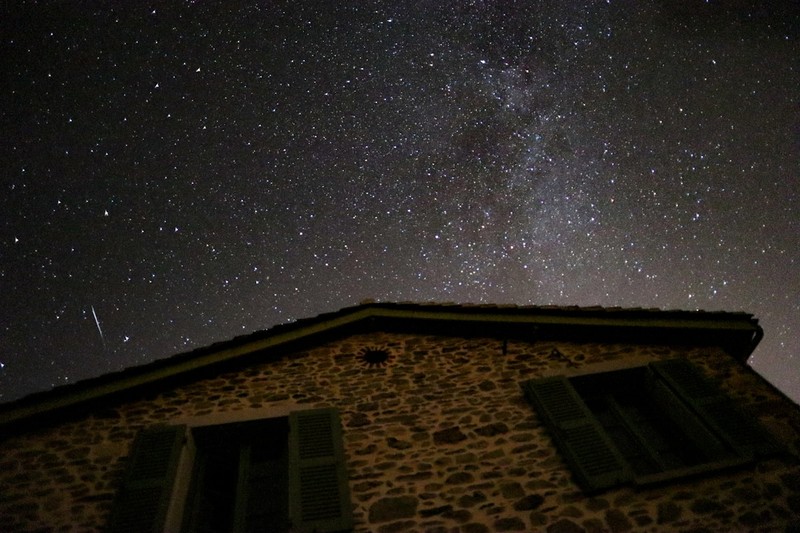
Most people picture Tuscany in terms of rolling vineyards, olive groves, and hill towns. That’s fair. But on my first trip to a remote agriturismo near the Crete Senesi, I found something I hadn’t planned on—a sky so dark and clear it felt like a different part of Italy. The farmer pulled out a small telescope after dinner and started pointing out constellations. That night, I saw the Milky Way without driving hours from a city. It stuck with me, and now I try to include tuscany astronomy nights in my trips whenever I can.
This guide is for travelers who want to pair a classic Tuscan agriturismo stay with a good evening under the stars. Whether you’re with family, as a couple, or alone, you can experience the night sky here without it feeling like a tourist trap. I’ve spent time visiting properties and talking to hosts about their setups, the local conditions, and what actually makes for a great astronomy night. This guide comes from that.
Why Tuscany Is a Surprising Destination for Stargazing
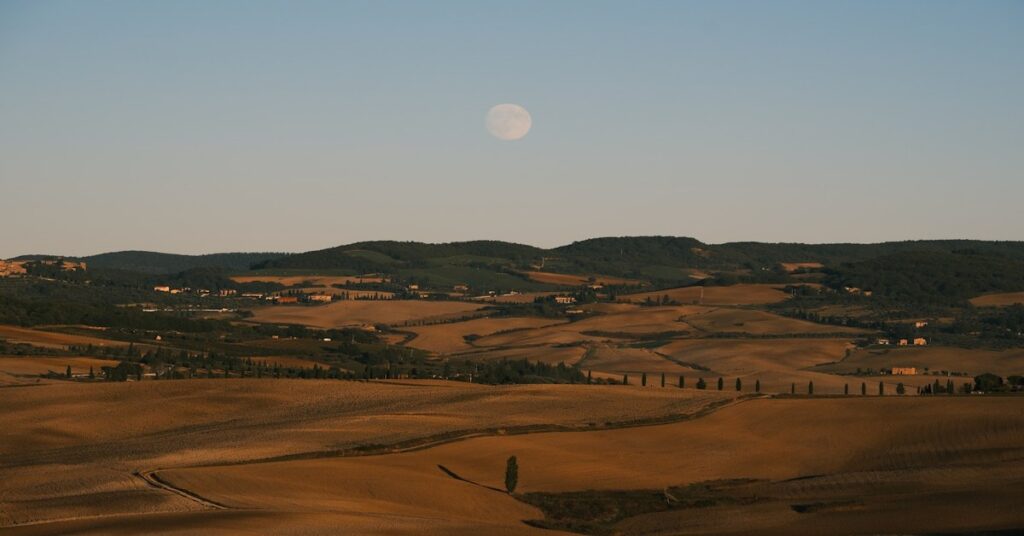
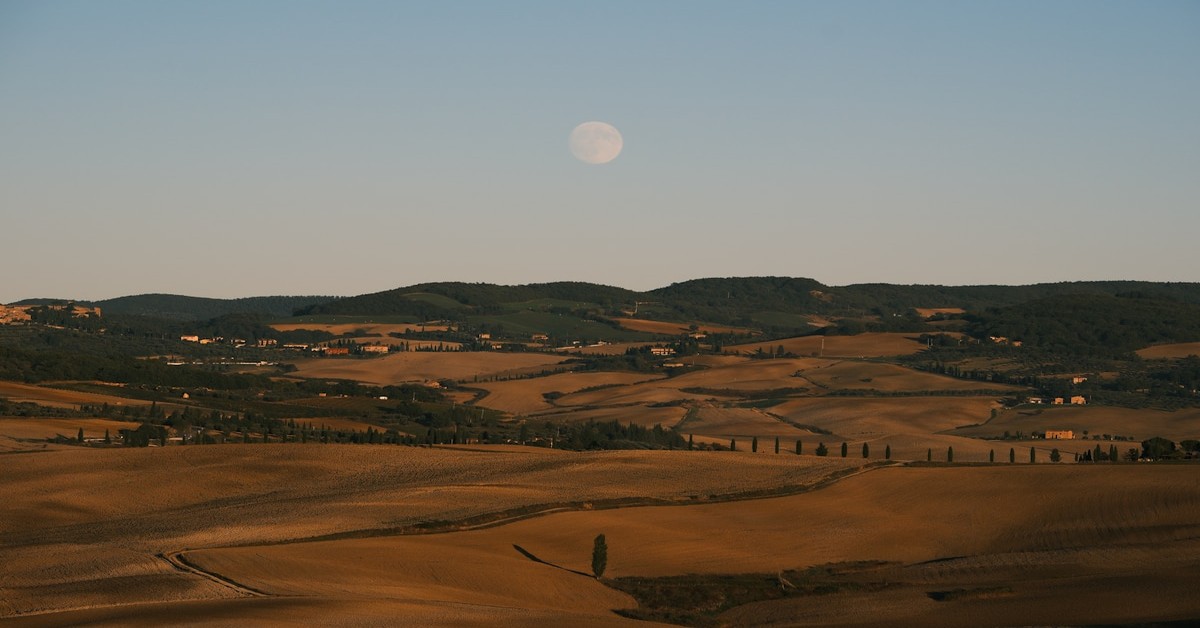
Tuscany doesn’t have official Dark Sky Park certification like some other regions in Europe. That’s fine for most visitors. What matters is the practical reality: big chunks of rural Tuscany—especially the Crete Senesi, Val d’Orcia, and the hills around Montalcino—have pretty low light pollution. On the Bortle scale, these areas often sit at Class 4 or even Class 3 on clear nights. That’s good enough to see the Milky Way clearly with your own eyes.
Elevation helps a lot. Many agriturismos are on hilltops or valley slopes, which puts you above the haze and ambient light from smaller towns. Spring and autumn are your best bet: lower humidity means less atmospheric scatter, and the nights are long enough for a proper session. Summer evenings are pleasant but shorter, and humidity can make things hazy. Winter has the longest nights and often the darkest skies, but it gets genuinely cold at altitude.
Another advantage: Tuscan agriturismos are often family-run, with land that stretches into undeveloped fields. You’re not just picking a random spot. The hosts know the land. They can tell you exactly which direction has the best sky, where the nearest village lights are, and when the moon will drop behind the hills. That local knowledge is something you won’t get from a generic stargazing tour.
The Best Locations for Astronomy Nights in Tuscany
Not every agriturismo is set up for stargazing. But some types of properties consistently deliver good conditions. Here are the options I’ve found useful after visiting and researching.
Agriturismos with Dedicated Astronomy Programs
A handful of properties have invested in proper astronomy nights. They typically offer a telescope (usually an 8-inch Dobsonian), an English-speaking guide, and a structured 2–3 hour program. The best ones I’ve seen are in the Crete Senesi, south of Siena. The sky there is reliably dark, and the hosts often have a real interest in astronomy. If you’re new to this, these are your safest bet. You get a guide who can answer questions, point things out, and handle the telescope. The tradeoff is cost and availability—they book up fast, especially during the Perseids in August.
Remote Hilltop Towns with Natural Darkness
If you’d rather do your own thing, find an agriturismo in a remote valley. Look for properties down a gravel road, at least 15 minutes from the nearest real town. The Val d’Orcia around Pienza and the hills near Montalcino work well. The darkness there is outstanding. You’ll see stars you didn’t know existed. The catch is you’re on your own with equipment and knowledge. If you have binoculars and some experience, this is great. If you’re a complete beginner, you might feel lost without a guide.
Luxury Properties with Personal Telescopes
A few high-end agriturismos offer in-room telescopes or private terraces with a telescope setup. These are pricey, but for couples on a special trip, it’s a nice perk. The telescope quality varies, so ask before you book. Sometimes it’s a small, cheap refractor that’s frustrating to use. Other times it’s a decent 6-inch Dobsonian. If you value convenience and privacy, it might be worth it. But in most cases, the shared guided experience from a dedicated program offers better value thanks to the guide’s knowledge.
For booking, I usually look at platforms like agriturismobaccole.com that let you filter by amenities and location. Properties like Fattoria di Montefiridolfi (close to Florence, but with good dark skies) and Tenuta di Murlo work well for families. For couples, Casanova di Carli in the Crete Senesi is a favorite. Solo travelers should pick an agriturismo with a hosted program to avoid feeling isolated.
What to Expect from a Guided Astronomy Night Experience
A typical guided astronomy night runs about 2 to 3 hours. It usually starts after dinner, around 9:30 or 10 p.m., once the sky is fully dark. The host or a local astronomer gives a brief intro—usually in Italian with English translation—about what you’ll see and how the telescope works. Then they point the telescope at whatever’s visible: planets like Jupiter and Saturn (if they’re up), the Andromeda Galaxy, star clusters, and double stars. They’ll also do a naked-eye tour of the main constellations, often weaving in some mythology and local folklore.
The telescope is usually a basic but functional Dobsonian. It’s not a high-end astrophotography rig, but it shows you stunning views of Saturn’s rings, Jupiter’s moons, and the Orion Nebula. Don’t expect vivid color—that’s mostly a photography trick. What you’ll see is sharp, ethereal light that’s genuinely moving.
Bring warm layers. Even in summer, the temperature drops sharply after sunset in the hills. Wear a hat and gloves. Leave white flashlights in the car; a red light is essential. The guide will ask you to turn off phone screens because they kill night vision for 20 minutes. Most guides handle English speakers well, but confirm when you book. The quality varies. Some hosts are passionate amateurs; others have formal training. The former can be more fun because they share folklore, the latter more educational. Both work.
Essential Gear to Bring for a Comfortable Stargazing Evening
You don’t need expensive gear to have a great night. But a few items make the difference between a memorable experience and a miserable one.
- Red flashlight. Essential. A small headlamp with a red mode is best. Travelers who need free hands often choose a headlamp with a red mode, like those in a red headlamp. Red light preserves night vision so you can read star charts or walk without stumbling. Without it, getting your eyes back to full dark adaptation takes 20 minutes.
- Portable chair or blanket. The ground is often damp after sunset. A simple folding chair or a thick blanket or yoga mat keeps you dry and comfortable.
- Binoculars. For beginners, binoculars are more useful than a telescope. They’re easier to use, cheaper, and show you wide-field views a telescope can’t match. A pair like the Nikon Action Ex 10×50 (around $130) is solid. Avoid anything above 10x magnification, as you can’t hold them steady.
- Smartphone astronomy app. Download Stellarium (free, no ads) or SkySafari (paid, better databases) before you go. Use airplane mode at the site. The sky map feature lets you hold your phone to the sky and identify objects. Set it to night mode (red screen) to preserve your vision.
- Layered clothing. A thermal base layer, fleece, and a windproof jacket. The temperature can drop 10°C (18°F) between sunset and midnight. Don’t underestimate how quickly you’ll get cold sitting still.
When to Go: Seasonal Guide to Clear Skies and Star Events
The best months for tuscany astronomy nights are April through May and September through October. These months give you the best mix of low humidity, decent night length, and comfortable temperatures. July and August are popular, but higher humidity can reduce transparency and make the sky look hazy. Plus, August nights are short—you only get true dark between midnight and 3 a.m.
Moon phases matter more than meteor showers. A full moon washes out the sky completely. Check a moon phase calendar and aim for the week around the new moon. Avoid the seven days around full moon. If you can be flexible, plan your trip around the new moon.
Meteor showers are fun but not reliable. The Perseids peak around August 12, but they often coincide with bright moonlight. The Orionids in October are a good alternative, with darker skies and cooler weather. Honestly, a clear night with no moon is better than any meteor shower under moonlight. Don’t plan your entire trip around a shower. Focus on moon phase and weather.
Local weather matters too. Tuscany’s summer thunderstorms can build quickly in the afternoon and clear by evening. Check a weather radar app 48 hours ahead. Avoid valley floors that trap fog—the hills are better. If you book a guided night, many hosts will cancel if the sky is partly cloudy, but some will still run if there are enough breaks.
Choosing the Right Agriturismo for Astronomy Nights
The wrong property can ruin your astronomy night. Here’s how to choose.
Agriturismos with hosted astronomy programs are the safest choice for beginners. They usually have a guide, a decent telescope, and a designated viewing area away from ambient lights. They cost more, but you get expertise and structure. Best for families and first-timers.
Remote agriturismos in dark valleys are for experienced stargazers. These are cheaper and offer total solitude. You’ll have natural darkness but no guide. Best for couples or solo travelers with binoculars and a good app.
Luxury properties with personal telescopes are a mixed bag. The telescopes are often small and hard to use. The novelty is nice, but you might end up frustrated. Only choose this if you’re willing to research the telescope model beforehand. Ask the host what they have.
When comparing, look at proximity to towns with streetlights. Check if the agriturismo has a dedicated stargazing spot away from car lights and building lights. Ask if they have a policy about outdoor lighting (some places dim or turn off security lights after 10 p.m.). On-site dining matters because after a 10 p.m. session, you won’t want to drive to a restaurant. An agriturismo with a restaurant or arranged dinner is ideal.
Here’s a quick comparison for decision-making:
- Best for families: Agriturismo with hosted program, restaurant, and children-friendly guide (e.g., Fattoria di Montefiridolfi).
- Best for couples on a romantic trip: Remote valley agriturismo with a private terrace and no light pollution. Pack your own wine.
- Best for solo travelers: Small, family-run agriturismo with an astronomy-host night. You’ll meet others.
- Best for experienced astronomers: Any property in the Crete Senesi with minimal light and access to a dark field. Bring your own gear.
For booking, use agriturismobaccole.com or specialized travel booking platforms that allow you to filter by stargazing. Read recent reviews, especially regarding telescope quality and guide expertise.
Common Mistakes to Avoid When Planning Your Stargazing Night
I’ve made most of these mistakes myself. You don’t have to.
1. Relying on weather apps incorrectly. Many travelers check a single weather app and see “partly cloudy” and cancel. But partly cloudy can mean thin cirrus that doesn’t affect viewing. Use a dedicated astronomy weather app like Clear Outside or Astrospheric. They give cloud cover and transparency forecasts specifically for stargazing.
2. Forgetting the moon phase. This is the biggest killer of a good astronomy night. A full moon turns the sky into a washed-out gray. I once drove two hours to a dark site only to find a full moon. I couldn’t see anything but the moon itself. Check the moon phase at least two weeks before your trip.
3. Not bringing warm clothes. Even in August, once you’re sitting still at 11 p.m. on a Tuscan hilltop, you will get cold. I once wore a T-shirt, thinking it would be fine. By midnight I was shivering. A fleece and hat are non-negotiable.
4. Skipping the red light. A white flashlight ruins night vision for everyone within 50 feet. A red flashlight costs $10 on Amazon. It’s the single most useful item you can bring. Most guided tours will actually ask you to buy or borrow one on the spot.
5. Expecting IMAX-quality views through small telescopes. A small telescope will show you Saturn as a tiny, sharp disc with rings. That’s incredible, but it’s not a full-color poster. Some guided experiences overpromise. Manage your expectations. The wonder comes from seeing it with your own eyes, not the visual quality. If you want big views, ask if they have a 10-inch or larger Dobsonian. If they say “a small refractor,” temper your expectations.
Astronomy Apps and Digital Tools Worth Using
These apps won’t replace a guide, but they’re essential for navigating the sky on your own.
- Stellarium Mobile (free/paid). The free version is excellent. It shows a realistic sky map based on your location. Point your phone at the sky to identify stars, planets, and satellites. The pro version ($2.99) offers higher resolution textures and more objects. Get the paid version before your trip.
- SkySafari 7 Pro ($39.99). This is for serious enthusiasts. It has a massive database of stars, deep-sky objects, and precise ephemerides. It connects to GoTo telescopes. Overkill for a casual traveler, but if you have even basic interest, it’s the best astronomy app available.
- Clear Outside (free). The best app for checking cloud cover, transparency, and seeing conditions. It uses TAF and METAR data. Check it 24 hours before your session. It’s not flawless, but better than generic weather apps.
- Light Pollution Map (free). Use this to check your exact location’s Bortle class. It’s helpful for choosing an agriturismo.
How to Combine Astronomy with Other Tuscan Daytime Activities
A stargazing night naturally fits into a day of touring. The best approach is to keep the daytime light and not overdo it. Here’s a sample itinerary that works well:
- Morning: Visit a hilltop town like Pienza, Montepulciano, or San Gimignano. Walk the streets, have a coffee, buy some pecorino or wine. Keep it short—don’t burn out.
- Afternoon: Visit a local vineyard or olive oil producer for a tasting. Alternatively, visit hot springs like Saturnia or Bagni San Filippo for a soak. Both are relaxing and leave you fresh for the evening.
- Late afternoon: Return to your agriturismo. Rest, read, or swim. Have an early dinner at 7 p.m. if the agriturismo serves it.
- Evening: Stargazing from 9:30 p.m. onwards.
This flow works because you’re not racing between destinations. The key is to avoid a long drive at night. Choose an agriturismo close to the day’s activities. The combination of wine tasting and stargazing is particularly good—both are slow, contemplative experiences that complement each other.
Photographing the Night Sky: A Realistic Guide for Beginners
Let me be clear: you won’t get professional-quality photos on your first attempt. But you can capture decent images that serve as great memories. Here’s a realistic approach.
What you need: A camera with manual controls (even a compact or a modern phone), a tripod, and a remote shutter or timer. A dSLR or mirrorless camera is best, but a modern flagship phone (iPhone 14 or Samsung Galaxy S22) with a solid tripod and a slow shutter can work surprisingly well.
Settings: Set your camera to manual mode. For a start, try ISO 1600, aperture as wide as possible (f/2.8 or lower), shutter speed 15 seconds. Use manual focus set to infinity. Use a two-second timer or a remote shutter to avoid camera shake. Shoot in RAW if your camera supports it.
What to photograph: The Milky Way will be a faint band across the sky, visible to the naked eye only from good dark sites. A 15-second exposure will make it much more prominent. You’ll also get star trails with longer exposures (minutes). Don’t try to photograph faint galaxies or nebulae unless you have a star tracker, which is advanced.
What not to expect: Don’t expect the vibrant colors you see in online photos. Those are heavily processed composites. Your image will show a subtle band of light with stars. That’s fine. The joy is in the process, not the final image. If you’re really interested, look up free tutorials on Night Sky Stacking or use DeepSkyStacker for free processing. But for a trip, just set up the camera and enjoy the sky.
A cheap remote shutter (like the JJC Timer Remote) is worth buying for $12. It prevents shake and allows bulb mode for long exposures. For example, a remote shutter release for DSLR is a simple tool that most astrophotography beginners find useful.
Final Checklist for Your Tuscany Astronomy Night
- Check moon phase: aim for new moon week.
- Book an agriturismo with hosted program or confirmed dark skies.
- Pack red flashlight, warm layers, portable chair, binoculars.
- Download Stellarium or SkySafari offline.
- Check weather 48 hours ahead using Clear Outside.
- Ask about telescope model and guide’s English proficiency.
- Bring a simple tripod and remote if you want to shoot photos.
Ready to explore? Start here: agriturismobaccole.com to browse agriturismos with perfect conditions for your tuscany astronomy night.