
Introduction
Learning traditional Italian songs isn’t something most travelers think about when planning a trip. You book a flight to Rome, map out your museum routes, and settle on your gelato-to-pizza ratio. But if you’re the kind of traveler who wants to understand a place rather than just see it, there’s a quieter way to experience Italy. A farm-stay—specifically a traditional italian music travel experience at a working agriturismo—offers something no guidebook can. It puts you in a room with people who have been singing these songs their whole lives, not as a performance but as a continuation of what their grandparents did before them.
When I first started researching this, I made a lot of assumptions that turned out wrong.
At a place like Agriturismo Baccole, this isn’t an optional tourist add-on. It’s built into the stay. The family leads evening sessions after dinner, pulling out an accordion or a guitar, and the songs come naturally. You’re invited to join, to listen, to try. This article is for travelers who want to show up ready—or at least curious—to take part. We’ll cover what to expect, how to prepare, what to bring, and how to choose the right farm-stay for this kind of immersion. No romanticizing. Just practical guidance for a genuinely unique travel experience.
Related: Farm-to-Table Dining: What to Expect from Agriturismo Meals | 10 Things to Know Before Your First Agriturismo Stay: Essential Agriturismo Travel Tips | Driving in Rural Italy: Essential Tips for Reaching Agriturismos
Why a Farm-Stay Works for Learning Traditional Italian Songs
You could learn traditional Italian songs in a city music school. You could sit through a staged folk performance in a tourist restaurant. Neither comes close to what happens naturally in a farm-stay. The difference is exposure. Not a one-hour class, but daily, passive exposure to the rhythm of rural life—the way songs are woven into cooking, pruning vines, or sitting on a terrace after sunset.
Farm-stays, especially in regions like Tuscany, Umbria, and Le Marche, often preserve what Italians call canti della terra—songs of the land. These aren’t polished compositions. They’re work songs from olive harvests, lullabies passed down through generations, and improvised rhymes sung over glasses of wine. The learning happens informally. You don’t sit in a classroom. You stand in a kitchen helping roll pasta while the nonna hums a melody. You repeat a phrase until you get it right, and nobody corrects you harshly.
The pace matters too. A farm-stay isn’t rushed. You have evenings free, and those evenings often turn into song sessions. If you miss a verse one night, you’ll hear it again the next. That repetition, combined with the relaxed setting, makes the learning stick. Compare that to a city-based workshop where you pay for an hour and then walk back into traffic. The farm-stay lets the tradition breathe, and you benefit from that patience.
What to Expect from a Song-Learning Session at an Agriturismo
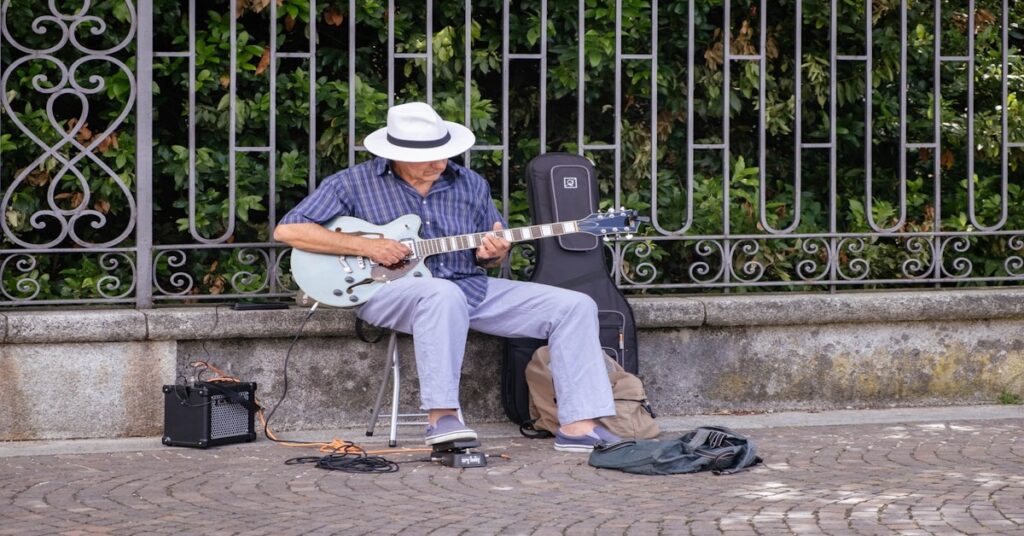
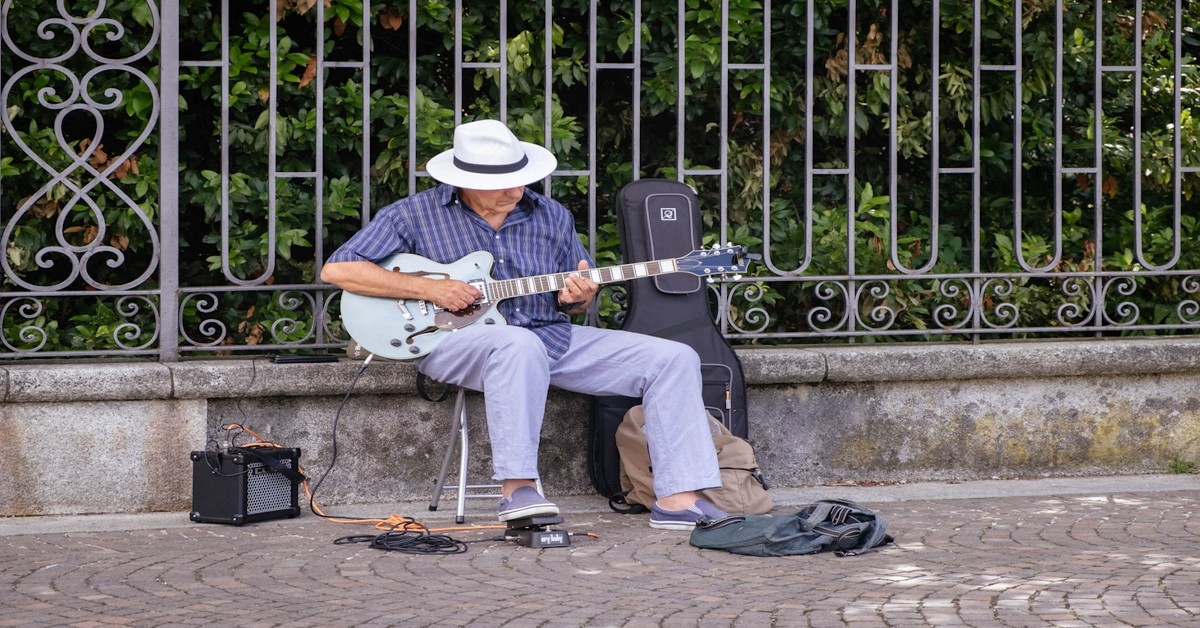
First, understand that this isn’t a concert. You won’t be handed sheet music. There’s no stage. The session usually starts after dinner, when the table is cleared and someone reaches for an instrument. At Agriturismo Baccole, that instrument is often a guitar or a small accordion, but it varies. The song starts, and you’re expected to listen first, then join in on the chorus.
The format is almost always call-and-response. The leader sings a line, and everyone repeats it. This is key because the songs are often sung in dialect—Tuscan, Sicilian, or another regional tongue—not standard Italian. You won’t understand every word, and that’s fine. The emphasis is on participation, not perfection. The most common mistake travelers make is being too shy to try. They worry about their pronunciation or their voice. But the locals aren’t judging. They’re happy you’re even attempting it.
Wine helps. Not as a crutch, but as a social lubricant that makes the whole thing feel natural. A glass of the house red, some bread and cheese, and suddenly the room feels less like a classroom and more like a family gathering. That’s the point. The songs are meant to be shared, not performed.
Traditional Italian Song Styles You Might Encounter
You won’t hear every style during a short stay, but knowing what might come up helps you appreciate the moment. In Tuscany, you’re likely to hear stornelli, which are improvised rhyming couplets. They’re like verbal duels—someone sings a line, and someone else responds with a clever retort. The melody is simple, but the wordplay is sharp. Understanding even a little Italian adds a lot to this experience.
Work songs, or canti di lavoro, are another staple. These have a steady, rhythmic beat because they were originally sung during repetitive tasks like harvesting grapes or threshing wheat. The rhythm helps synchronize movement. You might still find older farmers humming them while they work, even today.
You might also hear ninne nanne, the lullabies, which are slower and more melodic. And depending on who’s playing, you could get a tarantella, the fast-paced dance song from southern Italy. Regional variation matters a lot. A farm-stay in Tuscany will have a different musical DNA than one in Sicily or Puglia. The medieval roots of stornelli, for example, trace back to poetic traditions from the 13th century. Understanding that context makes the song feel heavier, more meaningful.
From what I’ve seen comparing these side by side, the differences aren’t always where you’d expect.
How to Prepare: Best Apps and Resources Before Your Stay
You don’t need to be fluent in Italian to enjoy this, but a little preparation goes a long way. Travelers who want to start learning the language can use a phrase book to pick up basic greetings and key phrases. You don’t need conversational fluency, but being able to say ‘I like this song’ or ‘teach me that phrase’ shows respect and opens doors.
For actual songs, YouTube is surprisingly useful. Search for channels like ‘Canzoniere della Tradizione’ or look up specific regional folk songs. Listen to a few examples so the melodies sound familiar when you hear them live. If you want to go deeper, a collection of Italian folk songs gives you a written reference you can bring along.
Also prepare yourself mentally. This is an informal, fluid experience. The more rigid your expectations, the more you’ll be frustrated. Come with an open mind, a willingness to hum along even when you don’t know the words, and a small notebook to jot down lyrics or phrases you want to remember later.
Common Mistakes Travelers Make When Trying to Learn Local Songs
The first mistake is fixating on memorizing lyrics instead of the melody. The melody is what makes the song recognizable. You can fumble the words, but if you hum the tune, people will appreciate the effort. Focus on the rhythm and the emotion first, the vocabulary second.
Another common error is showing up without any attempt at basic pronunciation. You don’t need to be perfect, but making an effort to say ‘grazie’ and ‘per favore’ correctly goes a long way. It shows you care about the culture, not just the novelty.
Don’t interrupt a song to clarify a word. The flow is part of the experience. Write down the word you didn’t understand and ask after the song ends. Also, avoid comparing yourself to professional standards. These aren’t opera singers. They’re farmers and grandmothers. The rough edges are what make it authentic.
Who Should—and Shouldn’t—Book a Song-Learning Farm-Stay
This experience is best for music enthusiasts, cultural travelers, families looking for multigenerational activities, and solo travelers seeking meaningful connection. If you enjoy learning skills that feel rooted in place, you’ll love this. It’s also excellent for people who want a slower, more deliberate travel pace.
But this isn’t for everyone. If you prefer structured classes with a syllabus and clear learning outcomes, you’ll be frustrated. The informality means inconsistency. Some nights you’ll learn a song deeply; other nights you’ll just listen and sip wine. If you have zero tolerance for repetition or dislike group activities where you’re expected to participate, this isn’t a good fit.
The tradeoff is real: less consistency, more authenticity. That’s the whole point.

What to Bring: Practical Gear for an Authentic Experience
You don’t need much, but a few items can enhance the experience significantly. A small voice recorder is invaluable for capturing sessions so you can review them later. You’ll hear things you missed in the moment. A travel journal is great for jotting down lyrics, stories, and the names of songs. A portable speaker comes in handy for practicing back in your room. A scarf or hat is practical for evening outdoor sessions, which can get cool even in summer.
Comfortable clothes matter too. You’ll be sitting for extended periods, often on wooden benches or cushions near the fireplace. Avoid stiff denim or tight shoes. Keep it casual, like you’re visiting a relative’s house for dinner.
How to Choose the Right Farm-Stay for Music Learning
Not all agriturismi offer music sessions. Some are purely accommodation focused. When researching, look for specific mentions of weekly music nights, family-led singing, or partnerships with local folk musicians. At Agriturismo Baccole, the family leads the sessions themselves. That’s a good sign. Others might host a local musician once a week. Either works, but check if it’s included in the stay or an extra cost.
Read reviews carefully. Look for terms like ‘evening singing,’ ‘local traditions,’ or ‘musical evenings.’ If none appear, the property probably doesn’t prioritize this. Also consider the region. Tuscany, Umbria, and parts of Campania have strong folk music traditions. Sicily and Sardinia have their own distinct styles. Your preference for regional music can guide your choice.
Beyond the Song: Cultural Context Worth Understanding
These songs aren’t just entertainment. Historically, they served practical purposes. Canti di lavoro kept farmworkers synchronized during repetitive tasks. Canti di raccolta celebrated the harvest and gave voice to communal joy. Lullabies soothed children while mothers worked. Songs were also used to share local news, gossip, and satire in communities where literacy was low.
The cantastorie—storytellers who traveled and sang news—were a fixture in Italian villages until the mid-20th century. Scholars like Alan Lomax documented this tradition in the 1950s, and books like The Italian Folk Revival by F. Giannattasio trace how these practices have survived. Knowing this context transforms a simple song session into something deeper. You’re not just learning a tune. You’re participating in a living history that goes back centuries. For those who want to explore further, a book on Italian folk music history can add depth to your understanding.
Sample Itinerary: A 3-Night Farm-Stay Focused on Traditional Music
Day 1: Arrival & Evening Introduction
Arrive in the afternoon, settle into your room, and take a walk around the property. After a farm-to-table dinner, the first music session begins. This is introductory. Expect a few simple songs, a lot of listening, and an offer to join on the chorus.
Day 2: Morning Walk & Deep Dive
In the morning, join a guided walk where the host points out local plants and explains their connection to song lyrics—wild herbs mentioned in folk verses. After lunch, there’s an optional cooking class (many agriturismi offer this). In the evening, the music session goes deeper into one style, like stornelli, with the host explaining the rhyme structure.
Day 3: Village Visit & Final Performance
Take a half-day trip to a nearby village. Many small towns have a local tavern or community center where folk musicians gather. Check if your host can arrange an introduction. That evening, the group gathers for a final, longer session. Everyone who wants to can try leading a song or contributing a verse. It’s not a formal performance, but it’s the moment when the learning pays off.
Final Tips for Making the Most of Your Traditional Italian Music Travel
Be patient with yourself. The learning curve is real, and you won’t master a song in one night. Engage with the host family beyond the music. Ask about their favorite songs, what they mean, and how they learned them. That curiosity deepens the connection. And always record the sessions—audio, not video—so you can revisit them months or years later.
This kind of traditional italian music travel isn’t about perfection. It’s about connection. The songs are a bridge between you and a culture that values community, patience, and shared experience. Show up ready to listen, participate, and maybe even sing out of tune. The host family will appreciate it more than you know.
After all the research and comparison, I’ve found that the simplest answer is usually the right one.
If you’re ready to experience this for yourself, consider booking a stay at a farm-stay that offers authentic music sessions. Check rates and availability now to secure your spot.