
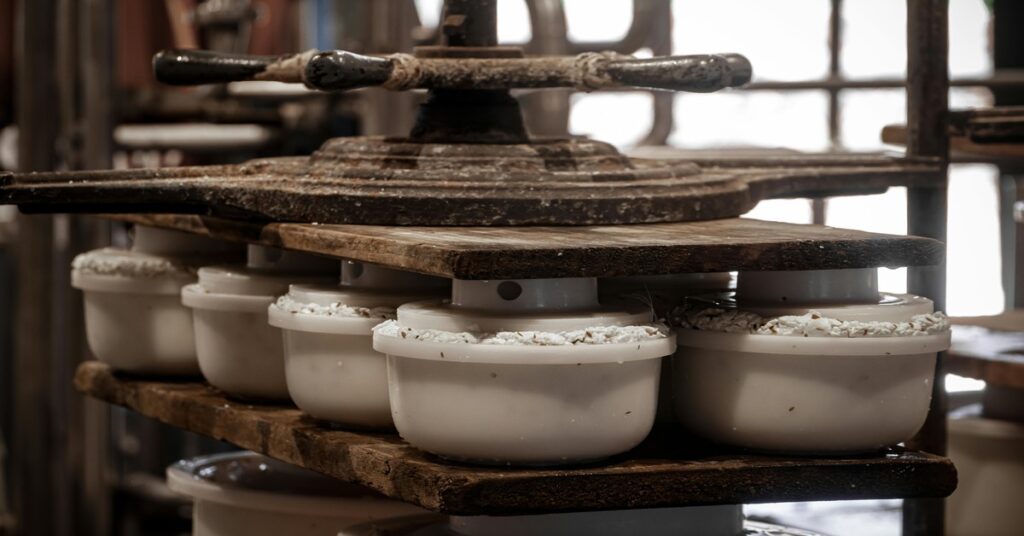
Why Basilicata and Calabria Are Worth Your Time
Most travelers rush through southern Italy on their way to Sicily or skip it entirely. That’s their loss. Basilicata and Calabria offer a version of Italy that’s harder to find in Tuscany or the Amalfi Coast. Fewer tourists, lower prices, and landscapes that shift from mountain peaks to turquoise coastline within an hour’s drive.
I spent way too long figuring this out the hard way. Here’s what I wish I’d known from the start.
The tradeoffs are real. English is less common here than up north. Luxury options are sparse. Some agriturismos have winding gravel access roads that test your rental car’s suspension. But if your goal is to eat olive oil pressed that morning, watch shepherds move flocks past your window, and fall asleep to nothing but cicadas and wind, this is where you want to be.
Related: Smart Italy Travel Insurance Tips: Navigating Cancellation Policies for Your Trip | The Complete Agriturismo Le Marche Guide: Vineyards, Sunflowers ‘ Where to Stay | Traveling Italy by Train: How to Reach Farm-Stays Without a Car
Basilicata gives you the lunar landscape of Matera, the Pollino National Park, and some of Italy’s best preserved medieval hill towns. Calabria runs along the toe of the boot, with the Tyrrhenian and Ionian coasts, the Sila mountains, and enough spicy ‘nduja to keep you coming back. Both regions reward travelers who plan carefully and embrace a slower pace.
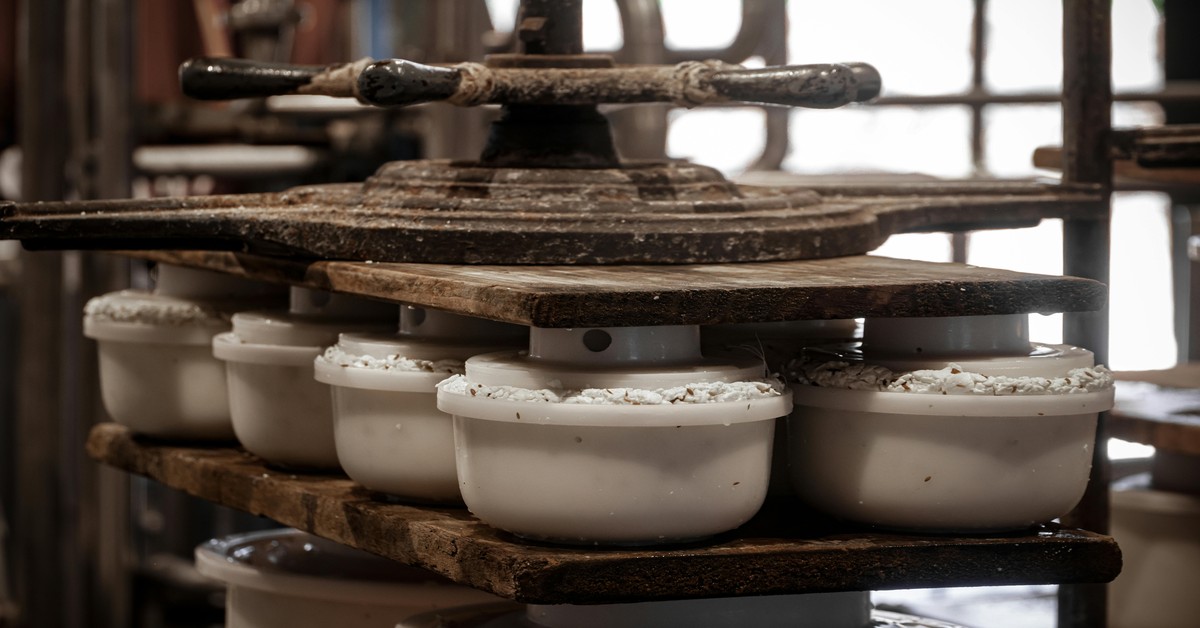
What to Look for in a Basilicata or Calabria Agriturismo
Not all agriturismos are created equal. Some are working farms where you can help press grapes. Others are boutique guesthouses that happen to have a vegetable garden. You need to match the property to your travel style.
Start with location. Are you planning to use the agriturismo as a base for day trips, or do you want to stay put for a week? Properties near Matera or the Tropea coast are convenient but pricier. Deeper rural locations cost less but require longer drives to reach restaurants and attractions. Travelers who want to navigate rural roads confidently may appreciate a good compact travel camera to document the landscape without hauling heavy equipment.
Farm activities matter more than you might think. Some properties offer olive oil tastings, cheese making demonstrations, or vineyard tours. Others just have a few olive trees in the yard. If you want hands-on experiences, look for agriturismos that list specific activities on their website or social media.
Meal options vary significantly. Half-board (breakfast and dinner) is common. Dinner is usually a fixed menu based on what’s in season. This is wonderful for food lovers but frustrating if you want flexibility. If you prefer self-catering, check whether the property has a kitchenette or access to a shared kitchen.
Accommodation style ranges from rustic to modernized. Rustic doesn’t mean uncomfortable, but it does mean thick stone walls, smaller windows, and older bathrooms. Modernized properties offer better insulation, newer fixtures, and reliable WiFi. Neither is wrong, but you should know which you’re getting.
Best for couples: A smaller, quieter agriturismo with a pool and private dining terrace.
Best for families: A working farm with animals, space to run, and flexible meal times.
Best for solo travelers: A property that offers communal dinners and local tour recommendations.
The Logistics: Getting There and Getting Around
You cannot experience these regions without a car. Public transport exists but is infrequent and doesn’t reach most agriturismos. Car rental is mandatory, not optional.
The nearest major airports are Bari (for Basilicata), Brindisi (southeastern Basilicata), Lamezia Terme (central Calabria), and Reggio Calabria (southern Calabria). Fly into whichever gives you the best connection and plan to drive from there. Drive times from Bari to Matera are about one hour. From Lamezia Terme to Tropea, figure ninety minutes.
Road conditions vary. Major highways are fine. Rural roads range from well-maintained to gravel tracks with switchbacks. I strongly recommend renting a compact SUV or at least a car with decent ground clearance. Compact cars work, but you’ll feel every pothole.
Book your rental car well in advance, especially in May, June, September, and October. Prices spike during these shoulder seasons because everyone else has figured out the same thing. Compare rates on aggregator sites and consider adding full insurance through a third party. The peace of mind is worth it.
Navigation is straightforward if you download offline maps before you leave. Cell service is reliable in towns but spotty in deep rural areas. Google Maps works, but confirm your route the night before if you’re driving after dark. A simple way to reduce stress on the road is to pick up a reliable car phone mount so your navigation app stays visible without fumbling.
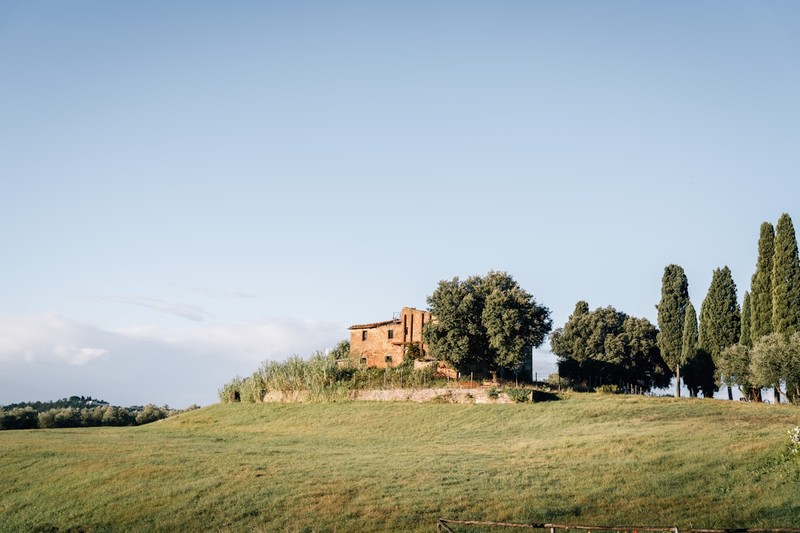
Something I noticed right away: the more expensive option isn’t always the better fit.
When to Go: Timing Your Stay for the Best Experience
Late spring and early fall are the sweet spots. May and June offer warm days, blooming landscapes, and olive groves in full green. September and October bring harvest season, cooler temperatures, and fewer tourists. Prices are lower than summer, and the light is beautiful.
July is hot but manageable if your agriturismo has air conditioning. August is the worst time to visit. It’s scorching, crowded with Italian holidaymakers, and many small businesses close for part of the month. Prices at popular agriturismos double. Unless you have no other option, skip August.
Winter stays are possible but niche. Some agriturismos close from November through March. Those that remain open offer cozy fireside dinners and dramatic winter landscapes. If you enjoy solitude and don’t mind cold weather, winter rates can be remarkably low.
Harvest activities peak in September and October. Olive harvesting runs from October through December. Wine harvest is typically September. If you want to participate, book a property that specifically mentions harvest experiences and email ahead to confirm availability.
Agriturismo Basilicata Guide: Five Reliable Stays
1. Le Monacelle (Matera)
Not technically a farm, but this converted monastery in the Sassi district offers an agriturismo experience through its restaurant and local sourcing. The location is unbeatable for exploring Matera. Rooms are stone-walled and atmospheric. No pool, but you’re steps from town. Best for culture-focused travelers who want to be in the heart of Matera. Mistake to avoid: Don’t book if you need parking included; you’ll pay extra for nearby garages.
2. Agriturismo La Dirindina (Policoro Coast)
A working farm near the Ionian coast. They produce their own olive oil, wine, and vegetables. The restaurant serves five-course dinners that change daily based on what’s harvested. Rooms are simple but clean. Has a large pool. Best for food lovers and families who want a fixed base near the beach. Mistake to avoid: Don’t expect late check-in. They close reception by 8 PM.
3. Agriturismo Casa Terra (Craco area)
A small, family-run property near the ghost town of Craco. Very rural, very quiet. They offer cooking classes and olive oil tastings. Only five rooms, so book months ahead. Best for couples seeking total isolation and authentic farm experiences. Mistake to avoid: Don’t arrive without GPS coordinates; the road signs are minimal.
4. Masseria Giubileo (Metaponto)
A restored farmhouse with modern amenities. They grow their own citrus, olives, and almonds. Large property with walking trails and a lovely courtyard for dinner. Rooms are comfortable but not luxurious. Best for travelers who want a balance of rural and coastal access. Mistake to avoid: Don’t skip the dinner even if you’re tempted to eat out; the home-cooked pasta is exceptional.
5. Agriturismo Il Giardino di Ararat (Pollino National Park)
Perched at the edge of the Pollino National Park. Mountains, forests, and hiking trails start right from the property. They produce honey and chestnuts. Meals are hearty mountain fare. Best for hikers and nature lovers. Mistake to avoid: Don’t book if you need WiFi for work; the connection is weak at best.
Calabria Gems: Five Agriturismos That Deliver
1. Agriturismo Le Zagare (Tropea coast)
Overlooking the Tyrrhenian Sea, this property grows citrus and olives. Rooms have sea views. The pool is positioned to catch the sunset. Dinner focuses on local seafood and seasonal vegetables. Best for couples who want coastal beauty with farm-to-table dining. Mistake to avoid: Don’t book here if you need late-night restaurant access; dinner hours are strict.
2. Agriturismo La Valle (Sila National Park)
In the Sila mountains, this farm is surrounded by forests and lakes. They produce cheese and cured meats. Hiking trails start from the door. Rooms are cozy and wood-paneled. Best for hikers and families who want mountain air and active days. Mistake to avoid: Don’t come without warm clothes; even summer nights can be cool at this altitude.
3. Agriturismo Masseria del Pantano (Reggio Calabria area)
Near the Aspromonte National Park. They produce wine, olive oil, and honey. The property includes a small museum of rural life. Rooms are spacious and have modern bathrooms. Best for culture and wine lovers who want a rural base near Reggio. Mistake to avoid: Don’t assume the pool is open year-round; confirm ahead.
4. Agriturismo Il Bergamotto (Gerace)
Named for the local bergamot citrus, this property sits near the medieval hill town of Gerace. They make marmalades and liqueurs from their fruit. Simple rooms with lovely views. The restaurant serves regional Calabrian cuisine with an emphasis on pork and chili. Best for foodies and history lovers. Mistake to avoid: Don’t book if you have mobility issues; there are stairs everywhere.
5. Agriturismo La Fiumara (Pollino Calabro side)
On the Calabrian side of the Pollino National Park, this farm runs along a river. They produce mushrooms, chestnuts, and local meats. Very rustic. Very peaceful. Best for serious hikers and off-grid travelers. Mistake to avoid: Don’t bring fancy clothes; you’ll be in hiking boots the whole time.
Mistakes to Avoid When Booking Agriturismos Down South
Booking too late. The best agriturismos in these regions have very few rooms. High season and shoulder season book out months in advance. If you find something that fits, book it. Don’t wait.
Ignoring meal policies. Some properties require half-board. Others offer it as an option. Read the fine print. If you’re on a budget, being forced to pay for a multi-course dinner every night adds up quickly. Conversely, if you’re in a remote location, skipping the dinner means driving 30 minutes to find a restaurant.
Underestimating driving distances. Southern Italy looks small on a map. It’s not. Driving from Matera to Tropea takes over three hours. Don’t try to base yourself in one spot and tour both regions. Pick one region and explore it properly.
Assuming English is widely spoken. Many agriturismos are family-run by older generations who speak only Italian. Younger family members often have basic English. But if you don’t speak Italian, email ahead to confirm communication methods. A few phrases in Italian go a very long way. A pocket Italian phrasebook is worth considering for those moments when translation apps fail.
Not reading cancellation policies. Some properties have strict cancellation policies, especially during peak season. Others are more flexible. If you’re booking far in advance, make sure you understand the terms. Travel insurance is a good idea if you’re planning a trip that involves multiple agriturismos.
How to Book: Direct vs. OTA vs. Last Minute
Direct booking has advantages. Some agriturismos offer a discount for booking through their website, usually because they avoid commission fees. Communication is clearer because you’re talking to the owners directly. You can ask specific questions about room features, dietary needs, and local recommendations.
OTA booking platforms offer convenience and flexibility. You can compare prices, read reviews from multiple sources, and often get free cancellation. This is especially useful if you’re still deciding on dates or want the safety net of a refund.
Last-minute booking is risky in these regions. The best properties fill up early. You might find a cancellation, but you’ll likely end up in a less desirable spot. If you’re spontaneous, check booking platforms a few days before your desired date. But for peace of mind, book at least two months ahead for shoulder season and four months for July and August.
My recommendation: Use OTAs for initial research and comparison. Then check the property’s own website for direct booking rates or special offers. If the price is the same or better, book direct. If you want cancellation flexibility or loyalty points, the OTA may be the better choice.
Packing Essentials for a Southern Italian Agriturismo Stay
Insect repellent. Rural areas have mosquitoes, especially near water sources and in the evening. Bring a good DEET-based repellent or a natural alternative that works for you. This is not optional.
Cash. Many rural agriturismos don’t accept credit cards. ATMs are not always nearby. Bring enough euros to cover your stay plus meals and extras. You can always use an ATM in a larger town, but don’t rely on it.
Reusable water bottle. Southern Italy has excellent tap water in most places. Many agriturismos have natural springs or filtered water. A reusable bottle saves plastic and money.
Sturdy shoes. Gravel paths, stone stairs, and uneven ground are everywhere. Leave the delicate sandals at home. Bring walking shoes or trail runners that can handle a bit of dirt.
Offline map app. Download Google Maps offline or use Maps.me. Cell service drops frequently in rural areas. Having offline maps saves you from getting lost on winding mountain roads.
Power adapter. Italy uses Type F or Type L plugs. Bring a universal adapter with surge protection if you have multiple devices.
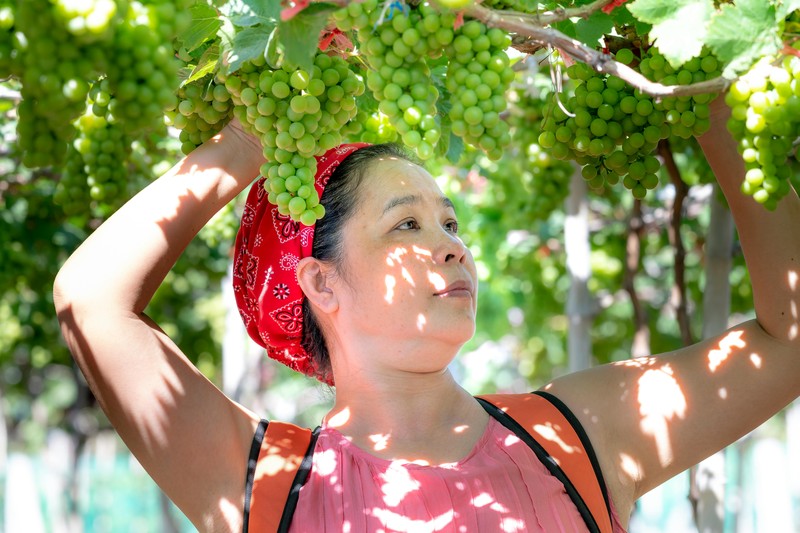
What About the Food? Meal Plans and Dietary Needs
Half-board is the most common arrangement. You get breakfast and dinner included. Breakfast is usually simple: pastries, bread, jam, yogurt, and coffee. Dinner is the main event, often a multi-course affair featuring local ingredients.
If you have dietary restrictions, email the property before you book. Most agriturismos can accommodate vegetarian, vegan, or gluten-free diets if notified in advance. The key is giving them time to prepare. Don’t assume they’ll have options on the fly.
Farm-to-table at these properties is not a marketing gimmick. The vegetables were picked that morning. The olive oil was pressed on the property. The cheese came from the sheep you saw in the field. Dinner isn’t just a meal; it’s the farm’s daily production on a plate. Expect simple preparations that let the ingredients speak for themselves.
If you prefer self-catering, look for agriturismos with kitchenettes or access to a communal kitchen. Some properties offer picnic baskets for day trips. Ask ahead, and you’ll be surprised how accommodating most are.
Final Tips for a Smooth Stay
Confirm directions in Italian before you arrive. Many agriturismos are on unmarked roads. Ask the owner for the exact address and any landmarks. Write it down or save a screenshot.
Don’t expect 24/7 reception. Most agriturismos are family-run. They have set check-in hours. If you’re arriving late, email ahead and make arrangements. Showing up at 10 PM without notice creates problems for everyone.
Ask about local tours. Many agriturismos have relationships with local guides who offer private tours of nearby towns, hiking routes, or food producers. This is often the best way to see the area without the crowds.
Bring a phrasebook or have Google Translate ready. Knowing even ten phrases in Italian transforms your experience. Locals appreciate the effort even if your pronunciation is terrible.
After all the research and comparison, I’ve found that the simplest answer is usually the right one.
Booking with confidence means knowing what you’re getting into. These agriturismos aren’t luxury resorts. They’re farms, olive groves, and family homes that welcome guests. If you embrace the pace and the setting, you’ll leave with memories that last far longer than any hotel stay.