
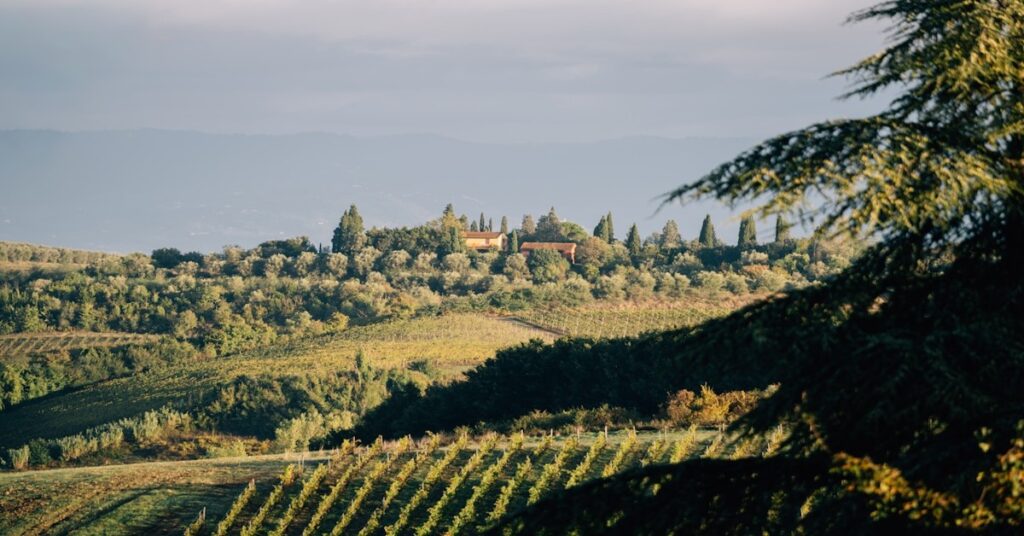
What defines a luxury agriturismo in Sicily?
You’ve probably seen the photos: a stone farmhouse perched on a hill, an infinity pool overlooking the sea, a plate of pasta that looks more like art. That’s the promise of a luxury agriturismo in Sicily. But what actually separates these stays from a standard farm stay or a five-star hotel?
Here’s what I’ve learned from planning rural Italy trips: leave more time than you think you need between destinations.
I’ve tested several options in this space, and here’s what actually matters in practice.
Related: Best Italy Navigation Apps: How to Navigate Rural Roads and Find Farm-Stays | Agriturismo Safety Tips: Staying Safe on a Working Farm in Italy | Smart Italy Travel Insurance Tips: Navigating Cancellation Policies for Your Trip
A true luxury agriturismo blends three things: restored historic buildings (think 18th-century baglios and converted monasteries), a working farm that supplies the kitchen, and accommodations that rival any high-end boutique hotel. You are not just sleeping in a room with a nice view. You are living on a farm that produces olive oil, wine, almonds, citrus, cheese, or honey. The luxury comes from the quality of that experience, not just the thread count on your sheets. That said, some of these places have thread counts that would make a five-star hotel blush. But the real luxury is in the food, the silence at night, and the feeling that you are connected to the land in a way that a resort can never replicate.
On the practical side, be realistic. Some luxury agriturismos are more rustic than marketing photos suggest. An infinity pool with a view of Mount Etna might be striking, but the road to get there might be unpaved. And that charming farmhouse might have stone walls that keep it cool in summer, but not all rooms have air conditioning. Luxury here is about authenticity and craftsmanship, not a sterile five-star experience. For the right traveler, that is exactly the point.
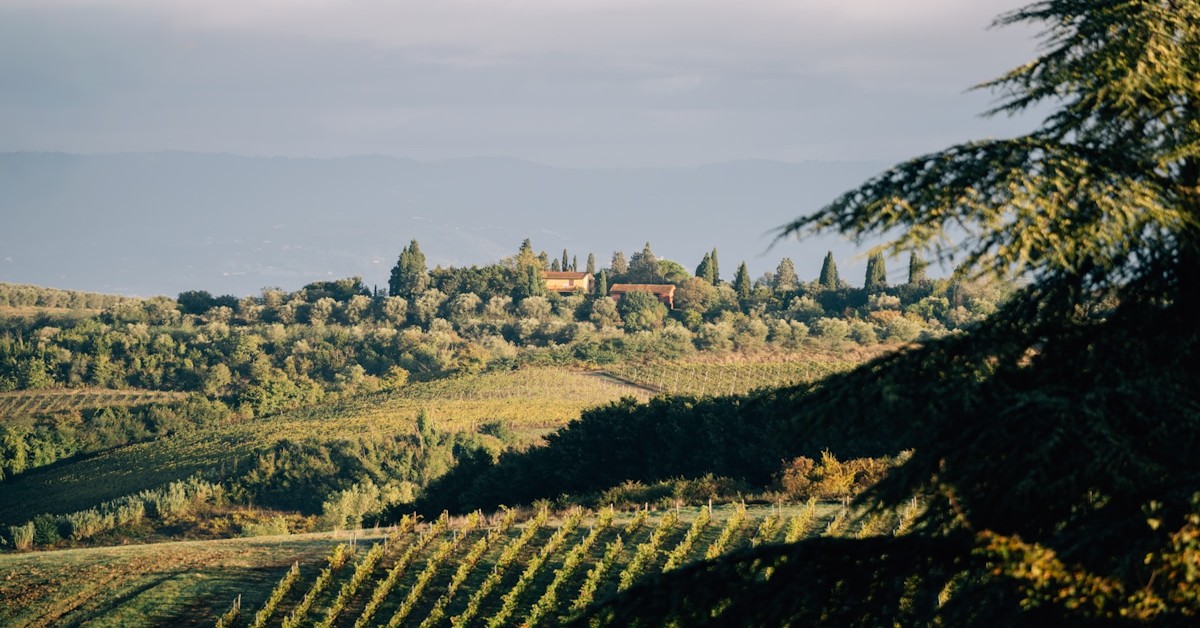
Top 5 luxury agriturismos for fine dining enthusiasts
For travelers who book a trip around dinner, Sicily’s luxury agriturismos offer some of the most memorable meals in Italy. The restaurant is often the heart of the property. Below are five properties where the dining experience alone is worth the journey. Prices are rough estimates for high season.
| Property | Region | Dining Highlight | Price Range (per night) |
|---|---|---|---|
| Monaci delle Terre Nere | Mount Etna | Michelin-starred restaurant with volcanic wines | €300–€500 |
| Baglio Oneto dei Principi | Val di Noto | Family-run kitchen, estate olive oil and honey | €250–€400 |
| Casa Verdi | Madonie | Truffle-centered tasting menus | €200–€350 |
| Masseria degli Ulivi | Western Sicily | Seafood and salt pans influence | €220–€380 |
| Golfo di Castellammare Agriturismo | Coastal Sicily | Farm-to-table with garden tours | €180–€300 |
Monaci delle Terre Nere sits on the slopes of Mount Etna. The restaurant has a Michelin star, and the menu changes with the volcanic soil’s bounty. The wine pairings come from the estate’s own vineyards. Book a table months in advance. Room options include private villas with terraces that face the volcano.
Baglio Oneto dei Principi is a restored 19th-century baglio in the Val di Noto region. The dining experience revolves around family recipes passed down through generations. Their olive oil, pressed from centuries-old trees, is a staple in every dish. The property also offers cooking classes where you can learn to make those recipes yourself.
Casa Verdi in the Madonie mountains is a quieter, more intimate option. The restaurant specializes in truffle dishes sourced from the surrounding forests. The tasting menu is a journey through autumnal flavors. The property also has a small cheese-making operation where you can sample fresh ricotta.
Masseria degli Ulivi in Western Sicily near Trapani combines farm life with coastal influences. The restaurant serves seafood caught locally, paired with vegetables from the garden and olive oil from the grove. The salt pans of Trapani influence the seasoning and the wine pairings.
Golfo di Castellammare Agriturismo is a more affordable but still luxurious option. The restaurant offers farm-to-table meals with garden tours included. It is a good choice for travelers who want fine dining without the Michelin price tag.
A note on booking: these restaurants have limited seating. Many allow external guests, but staying on the property guarantees you a table. Reserve as soon as you book your room.
Beyond the restaurant: farm activities and experiences
Dinner is the main event, but the farm itself offers experiences that turn a meal into a lasting memory. Olive oil tastings are common. Many agriturismos let you walk the grove, see the press, and taste the oil straight from the harvest. Truffle hunting is popular in the Madonie mountains, usually with a trained dog and a guide who has been doing it for decades. Cheese-making workshops happen at properties with dairy herds. You can watch the process, then eat the results for lunch.
Vineyard tours are standard at wine-producing estates. Some offer barrel tastings and cellar tours. Others let you walk the rows and taste grapes straight off the vine during harvest season in September and October. Seasonal produce harvesting is another option. In spring, you can pick artichokes and fava beans. In summer, tomatoes, eggplants, and herbs. In autumn, grapes, olives, and mushrooms.
Most activities cost extra, usually between €30 and €100 per person. A few are included in the room rate. Ask when booking. Some activities require a minimum group size, typically four people, so if you are traveling as a couple, you might need to join others. Seasonal availability is real. Harvest activities only happen during harvest. Truffle hunting is best in autumn and winter. Plan your visit around the experiences you want.
From what I’ve seen comparing these side by side, the differences aren’t always where you’d expect.
How to choose: best regions for different travel styles
Sicily is a large island with distinct regions, each offering a different agriturismo experience. The choice depends on what you want to do between meals.
Val di Noto is for lovers of baroque architecture and honey. The towns of Noto, Modica, and Ragusa are close. You can spend mornings exploring churches and palaces, afternoons at the agriturismo pool. The honey produced here is some of Sicily’s best. This region is ideal for couples who want a mix of culture and countryside.
Mount Etna is for wine enthusiasts and hikers. The volcanic soil produces distinctive wines, especially Nerello Mascalese and Carricante. You can hike on the volcano, then return to your agriturismo for a tasting. The altitude means cooler evenings, even in summer. A good choice for active couples and solo travelers who want adventure with their luxury.
Western Sicily, near Trapani and Marsala, is for seafood lovers and sunset chasers. The salt pans, coastal views, and seafood restaurants define this area. Agriturismos here often have a more coastal feel. Good for couples and small groups who want to combine farm life with beach time.
The Madonie mountains offer truffles, forests, and cooler air. This is the place for peace and quiet. Hiking trails, medieval villages, and rustic mountain farms make this a good fit for solo travelers and couples who want to disconnect. Families with kids might find it too remote.
Tradeoffs: Mount Etna is active. Volcanic activity can disrupt flights or close roads. Western Sicily gets touristy in July and August. Madonie roads are winding and narrow. Val di Noto is more popular, so book well ahead. Each region has strengths. Match them to your travel style.
Common mistakes when booking a luxury agriturismo in Sicily
A few mistakes can turn a dream stay into a logistical headache. The most common is not confirming that the restaurant is open daily. Many agriturismi close their restaurant one day a week, sometimes for a staff holiday or a family event. If you are arriving on a Wednesday and the restaurant is closed Tuesday and Wednesday, you will need to drive to a nearby town for dinner. That kills the magic of a farm-to-table stay.
Underestimating rural road conditions is another. The winding, narrow roads in the Madonie or on the slopes of Etna are slow going. A ten-kilometer drive can take 30 minutes. Plan your driving accordingly. Most rental cars will handle the roads fine, but a small car is better for tight corners.
Assuming all rooms have air conditioning is a mistake in historic properties. Many restored farmhouses rely on thick stone walls and cross-ventilation for cooling. That works well in spring and autumn, but in July and August, you might want a room with air conditioning. Ask before booking if it matters to you.
Not checking if the farm is actually working is another. Some agriturismi are more aesthetic than active. The olive trees are for show, not for harvest. If you want to see farm life in action, ask whether the farm produces food and whether guests can participate. Finally, don’t overlook the cancellation policy. Some luxury agriturismi have strict policies, especially during high season. Read the fine print before you pay.
What to pack for a luxury farm stay in Sicily
The dual nature of the trip—elegant dinners on a working farm—demands a clever packing strategy. Start with comfortable walking shoes. You will walk through olive groves, vineyards, and sometimes unpaved paths. Sneakers or sturdy sandals work well. For fine dining at the agriturismo restaurant, pack a dressy outfit that is still practical. A linen dress or a lightweight blazer with chinos will work. The vibe is refined but not formal.
Insect repellent is non-negotiable. Sicilian mosquitoes are active at dusk and near water. Bring a small bottle. A sun hat covers you during the day. Binoculars are worth the space if you enjoy birdwatching. The countryside has hoopoe, kestrels, and other birds. A reusable water bottle saves you from buying plastic. Most agriturismi have filtered water stations. A small daypack holds everything for farm tours.
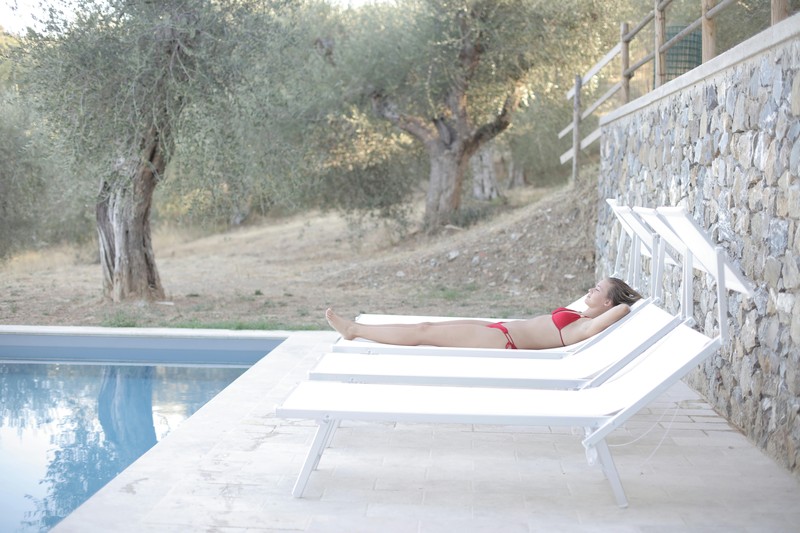
Most farms supply pool towels and umbrellas, so do not pack those. If you plan to buy wine or olive oil to take home, bring a small duffel or leave space in your luggage. A wrinkle-resistant travel shawl can double as a light layer for cool evenings.
For packing easy options, consider packable flats for walking and a collapsible water bottle from a travel store.
Luxury agriturismo vs boutique hotel: which is right for you?
Both offer high-end accommodations, but they serve different kinds of travelers. Here is a comparison to help you decide.
| Factor | Luxury Agriturismo | Boutique Hotel |
|---|---|---|
| Food authenticity | Farm-to-table, often from the estate | Good, but sourced externally |
| Nightlife proximity | Far from bars and clubs | Usually in town or nearby |
| Child-friendliness | Varies, some very family-friendly | Often more adult-oriented |
| Service style | Family-run, personal, sometimes slower | Professional, faster, more structured |
| Privacy | High, lots of space | Moderate, more guests |
| Total cost | Often lower for the quality | Higher for similar amenities |
Agriturismos are typically not a good fit if you want constant entertainment, late-night bars, or a concierge who can book a club table. They are excellent for travelers who prize peace, authenticity, and the ability to spend an evening with a good book and a glass of estate wine. Boutique hotels are better for travelers who want to be walkable to restaurants, bars, and sights. If you want the quiet of the countryside but also want the option of a night out, consider a boutique hotel that is located in a town or city.
For many travelers, a split stay works best: a few nights at a luxury agriturismo for the food and peace, then a move to a boutique hotel in a city like Palermo or Taormina for the energy. That gives you both experiences without compromise.
How to book directly vs through aggregators
Booking strategy can affect your experience and your wallet. Booking direct with the agriturismo offers several advantages. You can request a specific room, ask about dietary restrictions for the restaurant, and communicate any special needs directly with the host. Cancellation terms are often more flexible when you book direct, because the property wants to keep a good relationship with you. Some properties offer package deals that include cooking classes or wine tours, which only show up on their own website.
Booking through an aggregator like Booking.com or Expedia has its own benefits. You get easier cancellation policies in some cases, especially if you choose free cancellation options. You can also earn loyalty points if you use a booking site with a rewards program. The downside is that you communicate through a third party, which can lead to misunderstandings. Some properties also charge a higher rate on aggregator sites to cover commission, so you might pay more.
My advice: check both. Look at the property’s own website for special packages and rates. Then check the aggregator for cancellability and protection. If the direct rate is comparable, book direct. If the aggregator offers a better cancellation policy or loyalty points, book there. Either way, read the fine print before paying.
Budgeting for a luxury agriturismo trip to Sicily
Luxury agriturismo stays are not cheap, but they often deliver more value than a five-star hotel at a similar price. Here is a breakdown of typical costs.
Nightly rates range from €200 to €600+ for a double room. Properties with Michelin-starred restaurants and private villas are at the top of that range. Shoulder season (April, May, October, November) can drop prices by 20–30%. High season is July, August, and September, plus Easter week.
Meal costs at the agriturismo restaurant run €50 to €150 per person with wine. A tasting menu with wine pairings will be at the high end. Lunch is usually cheaper than dinner.
Activity fees: cooking classes cost €60 to €100 per person. Olive oil tastings with a tour are €30 to €50 per person. Truffle hunting with a guide is around €80 to €120 per person. Many activities require advance booking.
Wine purchases to take home range from €15 to €50 per bottle. Estate wines are often a highlight, and buying a few bottles for your room or for gifts is common.
Tipping is not required but appreciated. A euro or two per service is fine for staff.
Minimum stay: many luxury agriturismi require a 3–5 night minimum in high season. That is a commitment, but it also means you will settle in and experience the property fully.
Here is a sample 5-night budget for two people in high season at a mid-range luxury agriturismo:
- Accommodation (5 nights at €300/night): €1,500
- Meals (dinner 4 times, lunch 5 times, breakfast included): €500
- Activities (cooking class and wine tasting): €150
- Wine purchases at the estate: €100
- Transport and incidentals: €150
- Total: €2,400
That works out to about €240 per person per day, including food and activities. Compare that to a nice hotel in Taormina, and it is actually good value for the experience.
Final tips for a memorable Sicilian farm stay
A few practical things will make your stay better. Learn a few Italian phrases. The farm staff will appreciate it. Buongiorno, grazie, and ottimo go a long way. Respect meal times. Lunch is late, usually around 1:30 or 2:00 PM. Dinner starts between 8:00 and 9:00 PM. Plan your day around those times. Do not show up at 7:00 PM and expect to be seated.
Ask about the farm’s production. Understanding what you are eating transforms a good meal into a memorable one. “Where do these olives grow?” is a question that opens a conversation. The family running the place will be happy to tell you. Bring layers for cool evenings. Even in summer, the countryside cools down after sunset. A light jacket or shawl is essential. Allow for downtime. These stays are about slowness. Do not overplan. The best experiences come from sitting on a terrace, drinking a glass of wine, and watching the light change.
My honest take: don’t let perfect be the enemy of good. Pick something and start.
Check italy travel guide on Amazon
Ready to experience it yourself? Use the links above to check rates and availability for your dates. A luxury agriturismo in Sicily is not just a place to sleep. It is an invitation to taste the land.