
So You’re Thinking About an Agriturismo Stay?
If you’ve been looking into a trip to Italy, you’ve probably seen the word “agriturismo.” Maybe you picture rolling hills, stone buildings, and a glass of wine handed over by a friendly farmer. That picture is accurate—but it’s not the whole story. An agriturismo is a working farm that also rents out rooms, and for first-timers, the experience comes with some surprises. That’s where these agriturismo travel tips come in. They’re the kind of practical, real-world advice you won’t always find in glossy guides. This article covers ten things to know before you book, so you show up prepared, avoid rookie mistakes, and actually enjoy what makes an agriturismo special.
I spent way too long figuring this out the hard way. Here’s what I wish I’d known from the start.
1. Agriturismo Is Not a Hotel: Adjust Your Expectations
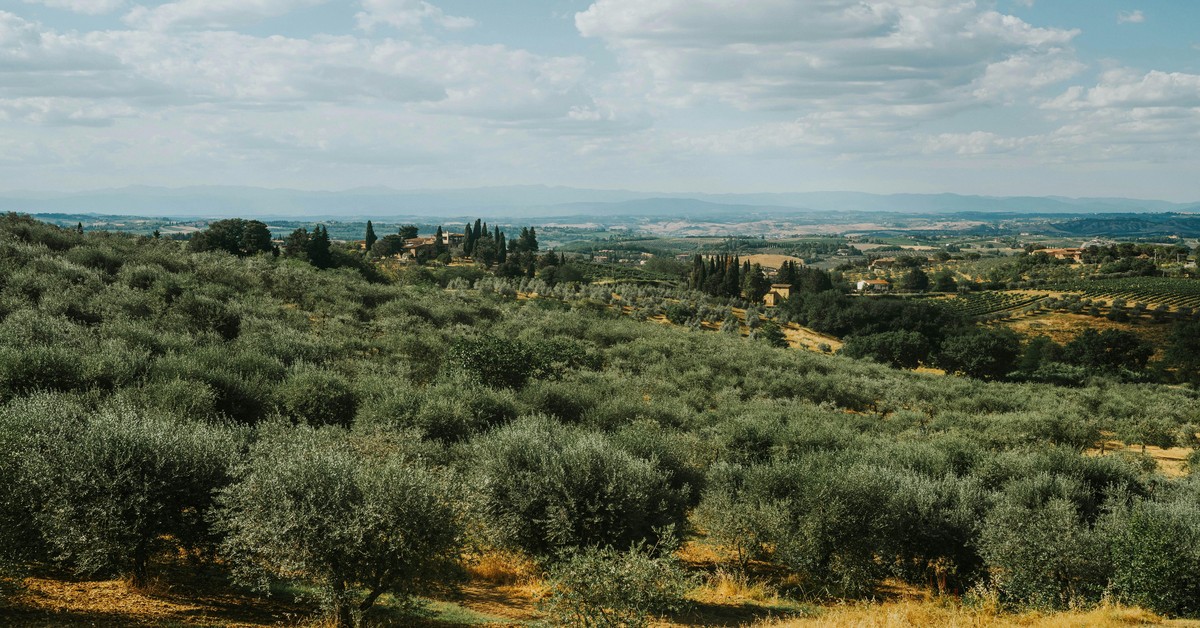
This is the most important thing to understand. An agriturismo is a farm first. The family running it might be busy with olive harvest, cheese making, or tending animals. The reception desk, if there is one, might not be staffed around the clock. You won’t find a 24-hour concierge, room service, or a pool (though some do have pools). What you will find is a slice of real Italian life.
Related: Agriturismo Safety Tips: Staying Safe on a Working Farm in Italy | Smart Italy Travel Insurance Tips: Navigating Cancellation Policies for Your Trip | Best Italy Navigation Apps: How to Navigate Rural Roads and Find Farm-Stays
When we first stayed at an agriturismo in Tuscany, we arrived expecting hotel-style crisp white linens and a welcome cocktail. Instead, we were greeted by the owner’s mother, who handed us a key and pointed toward our room. It was clean, comfortable, and had a stunning view, but it wasn’t polished in a hotel way—and that’s the point. The charm is in the authenticity, not the amenities. Embrace the quirks, and you’ll have a much better time.
2. How to Choose the Right Agriturismo for Your Needs
Not all agriturismi are the same. Some are tiny family-run operations with three rooms. Others are large estates that function more like small resorts. Some are deep in the countryside, miles from the nearest town. Others sit on the edge of a village. Your choice should depend on your travel style.
Consider these factors:
- Type of farm: Do you want a working farm with animals and fields? Or a luxury agriturismo that prioritizes comfort over agricultural activity? Look at the property description carefully.
- Meals included: Some agriturismi offer half-board (breakfast and dinner) as mandatory. Others let you choose. Check this before booking, especially if you plan to eat out.
- Proximity to towns: If you want to explore nearby villages, you’ll want an agriturismo with easy access to a road or a short drive from a town. If you’re looking for total seclusion, deeper in the countryside is fine.
- Activities: Some offer cooking classes, wine tastings, or farm tours. Others are just a place to sleep. Decide what matters to you.
If you’re overwhelmed, a specialist booking site like Agriturismo.it lets you filter by all these details. It’s a good starting point for first-timers.
3. Book Directly or Use a Specialist Site? Pros and Cons
You have a few options when booking an agriturismo. Each has tradeoffs.
- Booking.com / Expedia: Easy, familiar, and often free cancellation. But you might miss out on the best small properties that don’t list on these big sites. Plus, the owner pays a commission, which sometimes means slightly higher prices.
- Specialist sites (Agriturismo.it / Agriturismo.net): These cater specifically to agriturismi. You get more detailed descriptions, real photos, and direct booking options in many cases. The downside is the refund policy can vary.
- Direct booking: You email or call the owner. This often gets you the best price (no commission) and a more personal connection. The risk is a less formal cancellation policy and potentially language barriers.
For a worry-free first experience, my advice is to start with a specialist site. For example, you can check availability at Agriturismo Baccole —a well-regarded property—through their direct booking link. It’s a good way to see how the system works without the friction of a full OTA.
4. What to Pack for an Agriturismo Stay (and What to Leave Behind)
Packing for an agriturismo is different from packing for a city hotel. The rural environment and farm setting demand specific items. Here’s a practical list.
Bring:
- Comfortable walking shoes: You’ll walk on gravel, dirt paths, and sometimes uneven steps. Leave the heels at home. A pair of sturdy sneakers or hiking shoes is non-negotiable. Travelers who need a comfortable walking shoe for rough terrain might consider a sturdy hiking shoe.
- Layers: Even in summer, evenings can get cool, especially in the hills. A light jacket, cardigan, or fleece is useful. For cooler evenings, a lightweight travel fleece can be a simple addition.
- Insect repellent: Farms mean bugs. A good DEET-free repellent will save your sanity, especially during sunset. Beginners may want to look for a natural insect repellent that is gentle on skin and effective.
- Cash: Credit cards aren’t always accepted in rural areas. Bring enough euros for meals, tips, and any extras you might buy on-site.
- Travel adapter: Italy uses two-pin plugs (Type F and L). A universal adapter is cheap and saves trouble.
Leave behind:
- Fancy clothes: You’ll be in a farm setting. No one expects you to dress up. Leave the cocktail dresses and blazers at home.
- Heavy luggage: Many agriturismi have stairs, narrow hallways, or no elevator. A suitcase that’s too heavy will be a nightmare.
Something I noticed right away: the more expensive option isn’t always the better fit.
5. How Meals Work at an Agriturismo: Breakfast, Dinner, and the Half-Board Option
Meals are a highlight of agriturismo life, but the system can confuse first-timers. Here’s the breakdown.
- Breakfast: Almost always included. Expect a simple spread: bread, jam, yogurt, coffee, and sometimes eggs or local pastries. It’s not a buffet like in a resort, but it’s filling.
- Half-board: This includes breakfast and dinner. Dinner is usually a set menu based on what the farm produces. You get a starter, main course, dessert, and sometimes wine. The quality is often exceptional because the ingredients come from the farm. This is where the real value lies.
- Full-board: Less common. Includes all three meals. Usually not necessary unless you’re on a dedicated cooking or wellness retreat.
When is half-board a good value? If you plan to stay at the farm in the evening and enjoy the local cuisine, it’s often cheaper than going out to a restaurant. If you want to explore nearby villages for dinner, avoid half-board. You’ll be paying for meals you don’t use.
One note: meal times can be early by Italian standards, with dinner often served at 7 or 7:30 PM. Dietary restrictions should be communicated in advance. Most hosts can accommodate vegetarian or gluten-free requests if they know ahead of time.
6. The Hidden Costs First-Timers Miss
Italy has a few fees that surprise many visitors. Here’s what to watch out for.
- Tourist tax (tassa di soggiorno): Almost every Italian city and town charges this per person, per night. It’s usually €1-€5 per person, per night. Agriturismi in rural areas often charge this too. Pay it in cash on arrival.
- Heating or air conditioning: Some properties charge extra for A/C or heating, especially if used beyond a standard allowance. Ask before you crank the thermostat.
- Meals for non-resident guests: If you invite friends staying elsewhere for dinner, the agriturismo might charge you extra per person. This is common if they serve a set menu.
- Parking: Rarely an issue at agriturismi (most have plenty of space), but worth confirming if parking is free.
- Activities: Cooking classes, wine tastings, and olive oil tours often cost extra. More on that below.
To avoid surprises, ask for a full price breakdown when you book. A simple email like “Could you please confirm what is included and any extra fees?” works wonders.
7. Navigating Language Barriers and Cultural Differences
Not everyone in rural Italy speaks fluent English. Many agriturismo hosts are older farmers who speak only Italian. This isn’t a problem if you prepare.
- Learn a few phrases: “Buongiorno” (good morning), “Grazie” (thank you), “Per favore” (please), “Il conto” (the bill), “Dov’è…?” (where is…?). Even basic effort is appreciated.
- Use a translation app: Google Translate works offline if you download the Italian language pack. It’s a lifesaver for deciphering menus or communicating specific needs.
- Be patient with timing: Rural Italy operates on a slower clock. Don’t expect quick check-ins or immediate responses to emails. The Italian approach to time is flexible. You’ll adapt.
- Avoid assuming: Don’t assume your host understands every question. Speak slowly, keep sentences simple, and smile. This goes a long way.
If you want to go deeper, a small Italian phrase book is cheap and pocket-sized. A practical Italian phrase book for travelers can be a helpful companion.
8. Agriturismo Activities: What’s Included vs. Paid Extras
One of the best parts of an agriturismo is the chance to participate in farm life. But not all activities come free. Here’s a rough guide.
Usually included:
- Farm walks: You can wander the property, meet animals, and see where the food comes from.
- Garden tours: Sometimes the owner will show you the vegetable garden or orchard.
- Use of basic facilities: Pool, common rooms, and sometimes bikes.
Usually paid extras:
- Cooking classes: These are excellent but can cost €50-€100 per person. They’re worth it if you’re serious about learning regional cuisine.
- Wine or olive oil tastings: Often €15-€30 per person. Good value if you’re interested in the product.
- Farm tours (with a guide): If the farm is large, a dedicated tour might cost extra.
My advice: If you want to truly immerse yourself, one paid cooking class is worth the money. It’s a hands-on experience you won’t forget. For everything else, ask at check-in what’s available and what it costs.
9. Mistakes to Avoid on Your First Agriturismo Stay
I’ve made all these mistakes so you don’t have to. Here are the four most common ones.
- Arriving late for dinner: Dinner is served at a set time, usually 7 or 7:30 PM. If you’re late, the kitchen closes. Don’t assume you can show up at 9 PM like in a restaurant.
- Not bringing cash: This is the biggest rookie error. Many agriturismi don’t accept credit cards. You’ll need euros for the tourist tax, meals, and any extras. Hit an ATM before you arrive.
- Assuming credit cards are accepted: Even if a property has a card reader, it might be “broken” during your stay. Always have backup cash.
- Not asking about local transportation: If you don’t have a car, you’re often stranded. Agriturismi are almost always in the countryside. Taxis are expensive and rare. Ask about bus schedules or if the property offers a shuttle. Better yet, rent a car.
10. Is an Agriturismo Right for You? When to Book and When to Skip
An agriturismo isn’t for every traveler. Here’s a quick self-assessment.
Book if you:
- Enjoy quiet, slow-paced travel.
- Appreciate authentic food and local traditions.
- Don’t mind a little rusticity in exchange for charm.
- Traveling with a car or willing to rent one.
Skip if you:
- Need nightlife and entertainment within walking distance.
- Have mobility issues (many properties have stairs and uneven terrain).
- Prefer hotel-style service and amenities.
- Want to be in the middle of a city.
For couples, families, and slow travelers who want to experience the real Italy, an agriturismo is hard to beat. If that sounds like you, start your search with Agriturismo Baccole—a property that embodies the authentic, warm hospitality we’ve been talking about.

Frequently Asked Questions About Agriturismo Stays
What is the difference between an agriturismo and a B&B?
An agriturismo is a working farm that offers accommodation. A B&B is a bed and breakfast in a non-farming property, often in a town or city. Agriturismi emphasize farm-to-table dining and rural life.
Can you visit an agriturismo for just a day?
Some agriturismi welcome day visitors for lunch, wine tasting, or farm tours. Call ahead to confirm. You don’t always need to stay overnight.
Do you need a car at an agriturismo?
Almost always, yes. Most are in the countryside with no public transport. A car gives you freedom to explore. Plan accordingly.
Are pets allowed?
It depends on the property. Many agriturismi love animals and welcome well-behaved dogs. Always ask before booking.
What is the typical check-in/check-out time?
Check-in is usually between 3 PM and 7 PM. Check-out is around 10 AM. These times are flexible if you communicate in advance.
Choose Authenticity: Book Your Agriturismo with Confidence
My honest take: don’t let perfect be the enemy of good. Pick something and start.
An agriturismo stay offers something you can’t find in a hotel: a real connection to the land, the food, and the people of Italy. With the right expectations and a bit of preparation, it can be the highlight of your trip. Don’t overthink it—just book a place that feels right and show up ready to enjoy the slower pace. Start your search with Agriturismo Baccole and experience the authentic, rustic hospitality we’ve been telling you about.