
Something I noticed right away: the more expensive option isn’t always the better fit.
Why the Region Choice Matters More for First-Timers
You’ve seen the photos. The rolling hills of Tuscany, the colourful cliffs of Cinque Terre, the canals of Venice. And you want to see it all. That’s usually the first mistake first-time visitors make.
After working through this myself, I found a few things that textbooks don’t tell you.
Related: Smart Italy Travel Insurance Tips: Navigating Cancellation Policies for Your Trip | Agriturismo Safety Tips: Staying Safe on a Working Farm in Italy | What is an Agriturismo? Italy’s Unique Farm-Stay Explained
Italy isn’t a country you sprint through. It rewards those who stay put and explore deeper. A bad regional choice can leave you rushed, broke, or stuck on a bus for half your holiday. A good one sets you up for a trip that actually feels like a holiday, not a logistical test.
The trick is matching a region to your travel style, not to an Instagram feed. Ask yourself: Do you want to wake up and walk straight into a Roman forum, or prefer a quiet morning with a coffee overlooking a valley? Are you comfortable on a scooter in chaotic traffic, or do you need a rental car and open roads? Do you budget for Michelin-star dinners or street food and market picnics?
Your answers will point you towards the best italy region first time for you. There’s no perfect region for everyone; only the one that fits your pace, your interests, and your reality.
The Classic First-Timer: Rome and the Eternal City
Rome is the default answer for a reason. It has a major international airport, a central location, and enough history to fill a dozen visits. You can land, drop your bags, and be staring at the Colosseum within an hour. That convenience is hard to beat.
Rome works best for history buffs and first-timers who want that ‘epic Italy’ experience. The food scene is outstanding—not just tourist traps, but real neighbourhood trattorias in Trastevere and Testaccio. You get layers of history: ancient, medieval, Renaissance, Baroque. It’s also a city that rewards walking, not driving. Public transport is decent, and the metro covers the main sights.
But there are trade-offs. Rome is crowded. Peak season means queues even with skip-the-line tickets. It gets hot in summer—July and August are punishing. It’s also more expensive than smaller cities like Bologna or Palermo. If your dream is a quiet rural escape or a beach holiday, Rome will frustrate you.
For a first visit, plan 3 to 4 full days. That gives you time for the Colosseum, Forum, Vatican, and a few neighbourhood walks without feeling like you’re in a marathon. Anything less feels like a sprint. Travelers who want to explore comfortably can consider a lightweight backpack for the city and a good Rome guidebook to understand what they’re looking at. Pack comfortable walking shoes—you’ll clock 20,000 steps daily without thinking about it.
Tuscany: The Postcard Italy (But It Requires a Car)
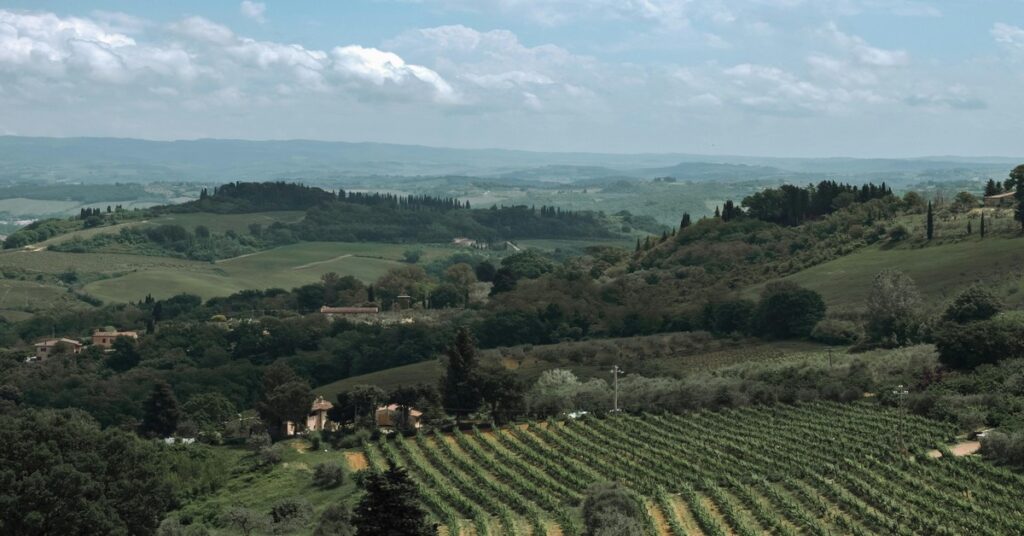
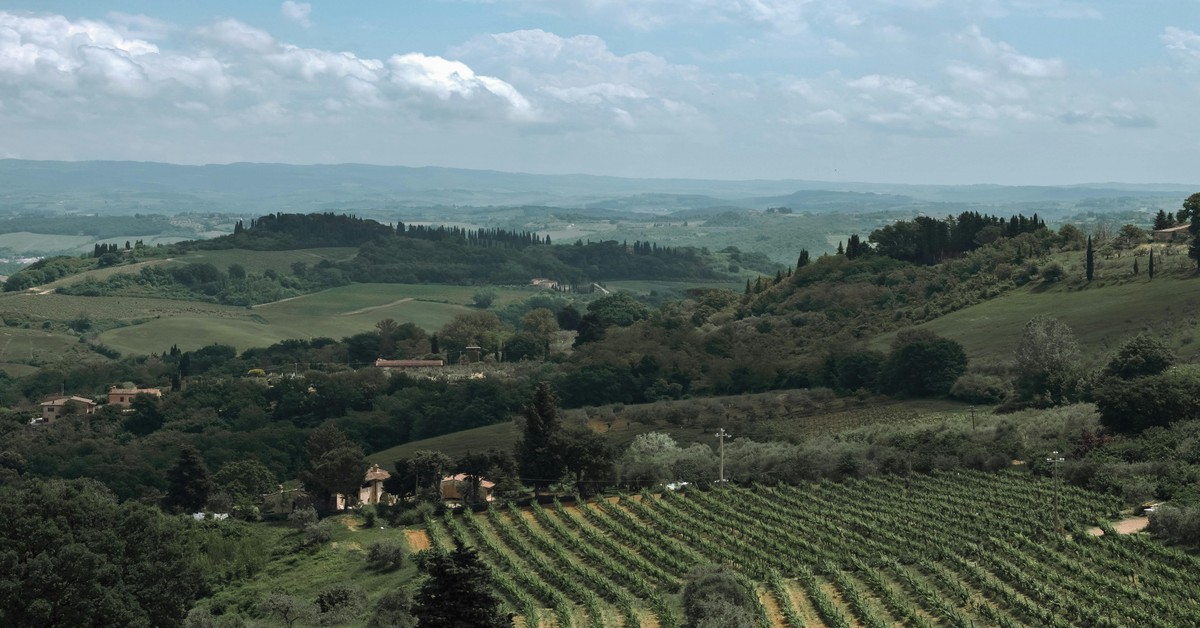
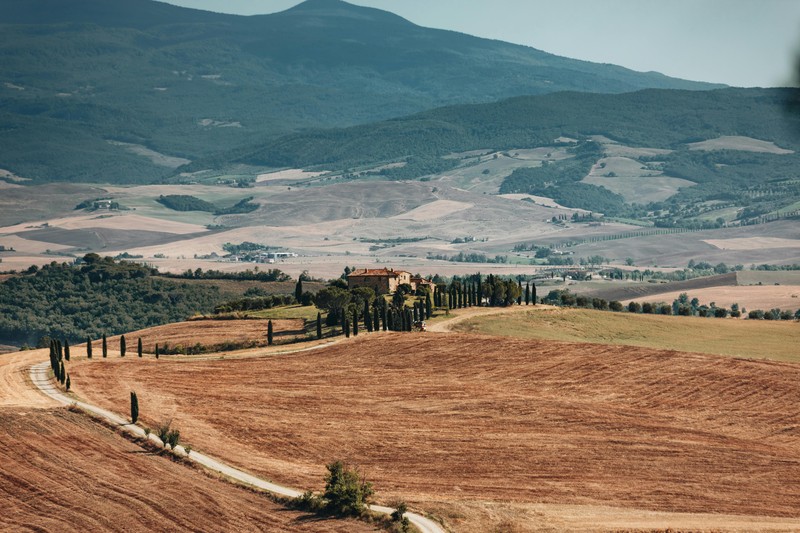
Tuscany is the romantic choice. Rolling vineyards, hilltop villages, olive groves, and Renaissance art. It’s also the most common place where first-timers make a critical mistake: they assume you can see it without a car.
You can visit Florence by train. You can even take a bus to Siena or San Gimignano. But the real Tuscany—the winding roads between Crete Senesi, the isolated abbey, the agriturismo with a pool overlooking a valley—requires a car. If you try to rely on public transport, you’ll spend half your day waiting for connections that run twice a day.
Your choice within Tuscany comes down to two options. Base yourself in Florence for the city experience: museums, cathedrals, and a vibrant food scene. Foodie tours and city walking guides are worth the investment. Alternatively, rent an agriturismo in the countryside for a slower pace: cooking classes, wine tastings, and evenings on a terrace.
Tuscany is best for couples or families who want a slower pace, enjoy driving, and appreciate scenery over nightlife. It’s not ideal if you hate navigating narrow roads or prefer having everything within walking distance. The driving is manageable—stick to a small car, download offline maps, and avoid the ZTL zones in Florence. A compact road atlas of Italy is a practical backup if your phone loses signal.
The Amalfi Coast: Stunning but High-Maintenance
The Amalfi Coast is undeniably beautiful. Positano cascading down the cliffs, Amalfi with its cathedral, Ravello with its gardens and views. But it’s also high-maintenance. If you expect a relaxing holiday without planning, you’ll struggle.
The roads are narrow and winding. Driving yourself is stressful—locals drive fast, buses are huge, and parking is rare and expensive. The ferries are a better option for getting between towns, but they run on a schedule and can be cancelled in bad weather. The buses are crowded and slow. If you want to explore the coast efficiently, consider private transfers or ferry tickets booked in advance.
Crowds are relentless from May to October. Prices are premium—accommodation in Positano or Amalfi town will hurt your wallet. A smarter base is Sorrento. It’s cheaper, better connected by train to Naples, and offers a more relaxed vibe while still within easy reach of the coast by ferry or bus.
The Amalfi Coast is best for couples or groups wanting scenery, good food, and a bit of nightlife. It’s not for budget travelers, anyone afraid of heights, or those who dislike crowds. Visit in shoulder season (May or September) if you can manage it. The weather is still good, and the crowds thin out a little.
Venice: A Unique City, But a Niche Choice for a First Visit
Venice is unlike anywhere else. There’s no other city quite like it. That uniqueness is both its strength and its weakness for a first-time visitor.
Venice is a fantastic choice if you love art, history, and the experience of a city on water. The art scene is world-class—the Accademia, Peggy Guggenheim Collection, and dozens of smaller galleries. Wandering the back alleys at sunrise is genuinely magical. But it’s also a city that feels like a theme park during peak hours. The crowds are intense, and the cost of eating and sleeping in the historic centre is high.
If you choose Venice, know what you’re getting. You’re not getting ‘real Italy’ in the way you would in Bologna or Naples. You’re getting a unique, curated experience. That’s fine if that’s what you want. But if you want a broader taste of Italian life, save Venice for a second trip or pair it with a few days in the Veneto countryside (e.g., Verona or Lake Garda).
For accommodation, the classic choice is a hotel on the Grand Canal—an expensive but unforgettable experience. A far cheaper option is staying in Mestre, on the mainland, which has better transport links and dramatically lower prices. Just factor in the 10-minute train ride into Venice each day.
Cinque Terre vs. The Sardinian Coast: A Side-by-Side Comparison
These two coastal options attract similar visitors but deliver very different experiences. Here’s a direct comparison to help you decide.
- Scenery: Cinque Terre offers dramatic cliffs, colourful villages, and terraced vineyards. Sardinia offers white sand beaches and turquoise water.
- Cost: Cinque Terre is moderate to high, especially for accommodation in the villages. Sardinia is also premium but less so for accommodation outside the most famous spots.
- Difficulty: Cinque Terre is best explored on foot—hiking trails connect the villages. Sardinia requires a car and driving on winding coastal roads.
- Crowds: Cinque Terre is extremely crowded from late morning to late afternoon, especially in summer. Sardinia is less crowded overall, except in August.
- Best for: Cinque Terre suits hikers and photographers who want a compact, walkable area. Sardinia suits beach lovers and drivers who want more space and variety.
A common mistake is trying to do both in one trip. They’re far apart—about a 6-hour drive or ferry crossing. Pick one and commit. If you choose Cinque Terre, pack sturdy hiking shoes for the trails. The trails can be steep and uneven, so a reliable pair of hiking shoes will make a difference. If you choose Sardinia, invest in good beach gear and a reliable car.
No matter which you pick, travel insurance is a good call. Hiking injuries and beach accidents happen, and coastal medical facilities aren’t always quick to respond.
The Northern Lakes: A Peaceful Alternative for Nature Lovers
The Italian lakes—Como, Garda, Maggiore—are a different kind of Italian experience. Less historical chaos, more natural beauty. You get mountains, lake views, charming towns, and a slower rhythm.
Lake Como is the most famous—elegant, expensive, and popular with celebrities. Lake Garda is larger, more family-friendly, and slightly cheaper. Lake Maggiore is the most relaxed, with beautiful islands and fewer crowds.
These lakes work best for travelers seeking tranquility, scenery, and small-town charm. If you want to hike in the morning and have a long lunch by the water in the afternoon, this is your spot.
The downside: train connections are good to the main towns (Como, Desenzano, Stresa) but limited for reaching the smaller villages and villas. A car gives you the freedom to explore properly. Lake tours and boat rentals are a great way to see the villas from the water without driving.
Common First-Timer Mistakes When Choosing a Region
Let me save you some trouble. Here are the mistakes I see most often.
1. Trying to see four regions in ten days. The ‘7 cities in 10 days’ trap is real. You’ll spend more time in transit than enjoying yourself. Pick a maximum of two regions and commit to exploring them properly.
2. Underestimating travel times. Italy is compact on a map but slow on the ground. Trains between major cities take 1.5–4 hours. Driving from Tuscany to Amalfi is a full day. Add 2–3 hours for transfers and waiting. Plan accordingly.
3. Relying on trains for car-required regions. Tuscany and the Amalfi Coast need a car for the best experiences. If you rely on trains, you’ll miss the hidden gems. Accept the driving or choose a different region.
4. Choosing based on Instagram photos alone. Beautiful photos don’t tell you about cost, crowds, or logistics. Research the practical reality before you book.
The solution is simple: pick one or two regions, match them to your travel style, and build your itinerary around real logistics, not just wishes.
The Seven-Day Itinerary: Which Region Fits Your Rhythm?
Here are three sample 7-day itineraries to help you visualize the pace and activities of different regions.
Itinerary 1: Rome & Tuscany (History + Countryside, Requires Car)
Days 1–3: Rome (Colosseum, Forum, Vatican, Trastevere). Day 4: Drive to Tuscany (visit Siena en route). Days 5–7: Florence and countryside (tour of Chianti, cooking class, relax). This gives you a mix of ancient history and rural beauty. Budget: medium-high. Accommodation: mix of city hotels and agriturismo.
Itinerary 2: Amalfi Coast & Sorrento (Coastal Focus, Relaxed Pace)
Days 1–2: Sorrento (adjust, explore town, boat trip to Capri). Days 3–5: Amalfi Coast (ferries to Positano, Amalfi, Ravello). Day 6–7: Pompeii and Naples (history day, pizza tour). This is a slower, sunnier itinerary. Budget: high, especially for accommodation and ferries.
Itinerary 3: Venice & Lake Como (Lakes & Culture, Romantic Pace)
Days 1–3: Venice (St. Mark’s Square, gondola ride, art galleries). Day 4: Train to Como (via Milan). Days 5–7: Lake Como (villa tours, hiking, boat rental). This is the most relaxed and romantic option. Budget: medium-high, with Venice accommodation being the biggest cost.
Each itinerary includes 1–2 travel days between regions. Adjust based on your energy and how much you want to move. If you prefer zero travel, stay in one region for the whole week.
Budget Reality: How Your Wallet Dictates Your Region
Let’s be honest about money. Your budget will heavily influence which region works best for you.
Rome and the Amalfi Coast are premium. Expect to spend €150–€300+ per night on decent accommodation, €40–€80 per day on food, and €20–€50 per day on activities and transport. You can get cheaper in Rome by staying outside the centre or eating at street food spots, but the Amalfi Coast offers few bargains.
Tuscany varies widely. Florence accommodation is moderate to high (€100–€200 per night for a good hotel). Countryside agriturismi are often better value, especially if you book in spring or autumn. Self-catering and cooking classes can cut food costs significantly.
Venice is expensive. Expect to pay a premium for any accommodation near the Grand Canal. Mestre is the budget lifeline—accommodation there can be 50–70% cheaper than in the centre.
If your budget is tight, look at central Italy alternatives like Umbria or Le Marche. They offer similar scenery and history to Tuscany but at 30–40% lower cost. You don’t have to feel like you’re missing out. You’re just choosing a different flavour of Italy that happens to be more forgiving on your wallet.
The Verdict: Which Region is the Best for Your First Time?
There’s no single ‘best’ region for a first visit. The right choice depends entirely on your priorities.
If you love history and a central location, choose Rome. It’s the safest bet. You get a taste of ancient, medieval, and modern Italy all in one city.
If you want scenery and a slower pace, pick Tuscany. But accept that you need a car. The trade-off is worth it for the rolling hills and quiet evenings.
If you want luxury and drama, the Amalfi Coast is for you. Be prepared for the cost and the crowds. It’s an unforgettable experience if you plan well.
If you want something unique and romantic, consider Venice or the Lake. They’re niche choices but perfect for art lovers or nature seekers who don’t mind a slower pace.
The honest truth is this: the best Italy region for your first time is the one you’re willing to commit to, plan for, and explore properly. Pick one, commit, and book. The rest will fall into place.
I’ve been through this process enough times to know that the best choice is the one you’ll actually use.
Ready to book? Check rates for accommodations and tours for your chosen region now.