
What Exactly is Agriturismo? A Working Definition
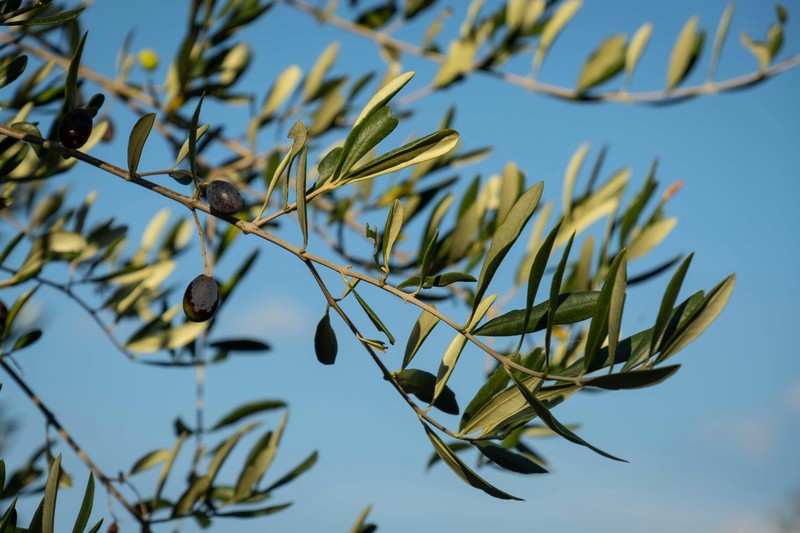
The idea that sustainable tourism has to be invented from scratch in a modern lab misses the point entirely. In Italy, where I cut my teeth on this kind of travel, agriturismo isn’t a new concept—it’s a legal definition that has protected rural life for decades. Italian Law 96/2006 sets strict rules: a property must be a working farm to call itself an agriturismo. That means real agricultural activity—olive groves, vineyards, livestock—not just a pretty country house with a rustic sign.
This distinction matters because it separates authentic farm stays from generic rural B&Bs. At an agriturismo, you’re not just a guest in a farmhouse; you’re participating in the life of a farm. Meals come from what they grow. Activities like olive picking or cheese making aren’t tourist spectacles—they’re the daily rhythm of the place. I’ve watched travelers arrive expecting polished hotel service and leave understanding why that would miss the point entirely.
But let’s be clear: this isn’t luxury. Don’t expect valet parking or turndown service. Expect good, honest food, a comfortable bed, and the genuine experience of living for a few days inside a working agricultural operation. That rawness is exactly what makes sustainable tourism agriturismo worth seeking out.
Related: Choosing the Right Region: Where to Stay for Your First Visit | What is an Agriturismo? Italy’s Unique Farm-Stay Explained | When to Visit Italy for the Best Agriturismo Experience
The Environmental Footprint: Why Agriturismo Naturally Lowers Impact
Here’s the straightforward truth: a working farm is already operating with a lower carbon footprint than most tourist accommodations. Walk outside, pick what’s in season, and that’s dinner—with zero food miles. Many agriturismi run on solar panels, collect rainwater for irrigation, and compost kitchen waste back into the soil. I’ve stayed at a farm in Le Marche where the family heated water with a wood-fired boiler from pruned olive branches. That’s not green marketing; that’s practicality born from centuries of farming.
That said, not every agriturismo is perfect. Some offer convenience over eco-practices. When you’re booking, look for clues: do they mention organic certification? Can you see solar panels in photos? Do they serve meals exclusively from their own land? A property that emphasizes ‘farm-to-table’ usually practices what they preach. A property that says ‘rustic kitchen’ without details might be coasting on aesthetics.
The real win here isn’t theoretical. By choosing an agriturismo, you’re automatically eating locally grown produce, reducing your dependence on refrigerated trucked-in ingredients, and supporting a model that values land stewardship over profit extraction. That’s sustainable tourism agriturismo delivering on its promise without needing a carbon offset calculator.
Economic Sustainability: Keeping Money in the Local Community
Here’s a number that sticks with me: roughly 80% of what you spend at an agriturismo stays in the local economy. Compare that to international hotel chains where maybe 5% trickles down to nearby businesses. The farmer who hosts you buys wine from the neighbor, hires the village baker for bread, and sources furniture from the local carpenter. Your money doesn’t leave the region—it circulates through village economies that would otherwise dry up.
This multiplier effect is why rural communities can survive without selling out to mass tourism. The olive oil you buy at the farm shop directly supports a family’s annual income. The pasta-making class you take keeps traditions alive for another generation. And because agriturismi are usually family-owned, the profit stays with the people who maintain the landscape.
How to make sure your stay actually benefits locals? Book directly when possible. Buy from the farm shop. Ask to visit the local market. The economic impact is real, but only if you engage with it rather than treating the farm like a hotel with a pretty view. For longer trips, a reusable water bottle is worth considering when you’re out exploring, as farms typically have safe tap water. Many travelers find a reusable water bottle reduces single-use plastic waste.
Cultural Preservation: More Than Just a Place to Sleep
Mass tourism has a homogenizing effect: the same cafes, the same souvenir shops, the same chain hotels in every historic city. Agriturismo fights that by keeping rural traditions alive. When you stay on a working farm, you’re not just a spectator of culture—you’re an active participant. I’ve learned to make pasta by feeling the dough, not from a video. I’ve pruned vines alongside farmers who could tell you which moon phase creates the sweetest harvest.
This raises a fair question: isn’t this performative? Doesn’t it turn farming into a show for tourists? In badly run places, yes. But legitimate agriturismi don’t stage authenticity—they live it. The farmer isn’t playing a role; she’s actually planting garlic in October. The cheese isn’t produced for your Instagram; it’s for the family table, and you’re lucky enough to be invited.
When booking, ask about the family’s history. How long has the farm been in operation? What traditional methods do they still use? A genuine agriturismo will have stories, not scripts.
Agriturismo vs. Hotels: A Practical Comparison for the Conscious Traveler
Carbon Footprint
Agriturismo: low. Meals are grown on-site, travel minimal, often renewable energy. Hotel: high. Food shipped in, laundry energy, air conditioning always running.
Food Source
Agriturismo: seasonal, from the farm. Hotel: sourced from industrial suppliers, often flown in.
Local Economic Impact
Agriturismo: spend stays local, supports small suppliers. Hotel: profits leave region, chain procurement.
Authenticity
Agriturismo: genuine rural life, family-run. Hotel: designed for guests, can feel generic.
Comfort
Agriturismo: variable, often rustic. Hotel: consistent, amenities like pools and room service.
Cost
Agriturismo: moderate, good value for experience. Hotel: can be pricey, especially in tourist hubs.
So who should choose what? If you want immersion, learning, and a slower pace, choose an agriturismo. If you need predictable comfort, precise schedules, and modern amenities, a hotel might suit you better. There’s no wrong answer—just alignment with your priorities.
Common Mistakes to Avoid When Booking Your First Agriturismo
Let’s save you the headaches I’ve seen others endure. First: don’t assume all agriturismi are organic. Many use traditional methods but lack certification. That’s fine—just don’t expect a USDA label. Ask about their farming practices if it matters to you.
Second: check the meal policy. Some include meals, others charge separately. Know what’s included before you arrive. The last thing you want is a mandatory €50 dinner when you’d prefer to eat lightly.
Third: underestimate the remoteness. Many agriturismi are miles from the nearest village. You will need a car. Plan for that. Don’t assume public transport will save you.
Fourth: language barriers. While many hosts speak English, don’t count on it. Learn a few phrases. A genuine effort goes a long way.
Fifth: cancellation policies are often strict. These are family businesses, not corporate chains. Confirm the terms before booking.
Finally, check reviews for mentions of ‘working farm.’ Some properties market themselves as agriturismo but are just rural hotels. Real photos of farm activities tell the story.
What to Pack: Essentials for an Agriturismo Stay
You don’t need a fancy wardrobe. You do need practical gear. Here’s what I recommend:
- Sturdy walking shoes. Farms have uneven ground, mud, and gravel. Comfortable boots make the difference between enjoying a hike and regretting your footwear. Travelers who need reliable traction might consider a good pair like the walking shoes designed for outdoor terrain.
- Insect repellent. Rural evenings bring mosquitoes. Don’t rely on the farm to provide it.
- Reusable water bottle. Farms usually have safe tap water. Refill rather than buying plastic bottles.
- Daypack. For market trips, hikes, or carrying picnic supplies. Lightweight and comfortable, like this daypack.
- Season-appropriate clothing. Layers for cool mornings, breathable fabrics for afternoons. A rain jacket never hurts.
- Headlamp or flashlight. Rural paths at night are dark. This is not a hotel hallway.
- Cash. Not every farm takes cards, especially for the farm shop.
These are small investments that make your stay comfortable without overcomplicating things. You’ll thank yourself on the first evening walk.
How to Choose the Right Agriturismo for Your Needs
Choosing begins with understanding the type of farm. A wine estate offers tours and tastings. An olive farm might include pressing demonstrations. A livestock farm could involve cheese making. Pick based on what you want to learn.
Location matters: remote farms give peace and isolation but require more planning. Those near towns are convenient but less immersive.
Activities offered: some have cooking classes, truffle hunting, or horse riding. Others just have a pool and a view. Decide what you want to do.
Meal inclusions: full board, half board, or self-catering? Know your preference.
Budget: agriturismi range from very affordable to moderately expensive. The price usually reflects the level of service and meal quality.
Family-friendliness: some welcome children with activities and high chairs; others are more adult-oriented. Check reviews.
Best for couples: wine estates with quiet rooms and romantic dinners. Best for families: farms with farm animals and open space. Best for solo travelers: welcoming hosts and group dining.
To find great options, use booking platforms like Booking.com. Filter by ‘organic farm’ or ‘working farm’ to narrow results. Read descriptions carefully. Look for photos of animals, crops, or farm fields—that’s how you know it’s genuine.
The Role of Agriturismo in Overtourism Reduction
Venice is drowning. Florence is shoulder-to-shoulder. The Amalfi Coast is a traffic jam. Overtourism is real, and it’s destroying the very places people come to see. Agriturismo offers a solution by dispersing tourists away from overcrowded urban centers to rural areas that need visitors.
Instead of spending three days in Florence, spend two in the city and two in a farm in Chianti. Instead of crowd-battling in Positano, stay on a farm in inland Campania where the hills are quiet. This not only reduces pressure on heritage sites—it spreads the economic benefit evenly.
In Tuscany and Puglia, this model has already worked. Visitors who stay in agriturismi tend to travel slower, spend more, and interact with locals rather than just taking photos. This is sustainable tourism agriturismo in action, solving a problem that mass tourism has created.
Plan your itinerary to stay two to three nights in one farm rather than city-hopping. You’ll see more, stress less, and spend your money where it matters.
Real Expectations: What a Day at an Agriturismo Actually Looks Like
Wake up early. The sun rises over the hills, and the rooster is not a metaphor. Breakfast is simple: fresh bread, local cheese, maybe a slice of homemade cake. Coffee is strong. The farmer might ask if you want to help with the morning chores.
If you choose to work, it’s light—feeding animals, collecting eggs, or helping in the garden. This isn’t field labor; it’s participation. Lunch with the family might happen at a communal table. The food is seasonal, grown that morning.
Afternoon: a hike through the surrounding countryside, a visit to a nearby village, or a long siesta on the terrace. You’ll hear the sounds of the farm—tractors, birds, wind in the olives. No air conditioning, so windows are open. Insects are present. Heat might require a nap.
Dinner is the main event: multiple courses from the farm’s produce. Wine from their vines. Conversation might flow despite language gaps. Then an early night under a blanket of stars.
Don’t romanticize this. There are inconveniences—dust, bugs, no constant WiFi. But the unhurried pace is what makes it restorative. This is not a vacation of constant activity. It’s a reset.
Frequently Overlooked Questions to Ask Before Booking
- Is breakfast included? What about dinner?
- Are the meals prepared with produce from the farm?
- Is there a minimum stay requirement?
- Can you help arrange local transportation if I don’t have a car?
- Do you offer guided tours or farm activities?
- Is English spoken, or should I prepare a few Italian phrases?
- What’s the cancellation policy?
- Can I buy products from the farm shop?
- Are there kitchen facilities if I want to cook myself?
- What kind of farming do you actually do?
Asking these saves you from surprises. A good host will answer clearly. If they dodge, that’s a red flag.
Ready to Experience Sustainable Tourism Firsthand?
The future of travel isn’t in crowded city squares or plastic-wrapped hotel breakfasts. It’s on a working farm where the food comes from the earth, where your stay supports a family, and where you leave without guilt. This is sustainable tourism agriturismo—not a trend, but a return to what travel should be: genuine connection with place and people.
Don’t wait for the perfect moment. Start planning now. Search for agriturismi in Italy or research similar models in your region. The best way to understand it is to live it. Reserve your spot at a working farm today and taste the future of travel. Find your agriturismo on Booking.com and begin your journey.